
Your Next Adventure Could Change Everything
Join thousands of adventurous women who've discovered that the best travel stories often include a plot twist.
Start Your Adventure – Join Free
✓ Free to join ✓ No credit card required ✓ Join 50,000+ travelers
A solo travel dating safety plan is what lets the trip stay fun when a match turns into a real plan. It is not a lecture about being scared of strangers. It is a practical setup for traveler control: public-first plans, your own route home, clear timing, realistic budget choices, and enough privacy that sparks welcome does not become pressure accepted.
For solo travelers, dating on the road is different from dating at home. You may be arriving tired, switching neighborhoods, carrying a passport, using a new SIM, and deciding whether a person fits your route before either of you leaves town. A normal dating app often treats that as a location problem. Gallivanta treats it as a travel context problem: where you are, when you are free, what kind of connection you want, and how to keep the plan public until trust catches up.
This guide gives you a solo travel dating safety plan you can set before landing. It is written for solo travelers, digital nomads, backpackers, weekend travelers, and route-flexible people who want connection without giving up control. Use it before your trip, then adjust it once you understand the city on the ground.
- → Why a solo travel dating safety plan matters
- → Build your solo travel dating safety plan around route, timing, and intent
- → Set your app boundaries before the first match
- → Choose public-first date formats that keep control with you
- → Plan arrival timing, neighborhoods, and transport before you say yes
- → Use traveler examples to pressure-test your plan
- → Create a check-in system you will actually use
- → Safety tips for women and higher-risk travelers
- → Handle budget, alcohol, and second-location invites
- → What to do when a date starts feeling wrong
- → A pre-landing solo travel dating safety plan checklist
- → FAQ: Solo travel dating safety plan
Why a solo travel dating safety plan matters
Travel dating compresses normal pacing. At home, you might text for a week, ask a friend about the neighborhood, and choose a familiar bar. On the road, you might match over breakfast in Lisbon and meet before sunset because one of you leaves on a morning train. That urgency is part of the charm, but it can also make people skip the small decisions that keep independence intact.
A solo travel dating safety plan slows down the right things. It answers the boring questions before chemistry starts doing the talking: where will you meet, how will you get there, how will you leave, who knows the plan, what will you share about your accommodation, and what is your default answer if the person suggests a private second location.
The goal is not to kill romance. The goal is adventure first, sparks welcome, with traveler control built into the plan. If you are using a travel dating app, the safest dates usually start with public context: overlapping travel dates, clear intent, a venue that makes sense, and a route home that does not depend on the match.
Check official travel guidance before you turn app chat into a date. The U.S. State Department publishes destination pages at travel.state.gov, the UK Foreign, Commonwealth and Development Office keeps country advice at gov.uk/foreign-travel-advice, Canada maintains traveler advisories at travel.gc.ca, and CDC Travelers’ Health can flag health, medication, and emergency-preparation issues that affect real evenings out.
Build your solo travel dating safety plan around route, timing, and intent
The strongest solo travel dating safety plan starts with three Gallivanta signals: route, timing, and intent.
Route means where you are actually staying, moving, and willing to meet. You do not need to share your exact hotel or apartment, but you should know your own practical radius. If you are in Roma Norte in Mexico City, a first coffee in Condesa may be simple. A late dinner across town with an unfamiliar route home is a different decision. If you are in Lisbon with a morning train from Santa Apolonia, a sunset plan in Belem might be lovely but awkward if the return trip runs late.
Timing means your real travel window. Are you free tonight only, working remotely until 3 p.m., leaving tomorrow, recovering from a red-eye flight, or trying to keep the next morning clear? Naming that timing helps you avoid dates that require more flexibility than you have. A first date after a twelve-hour travel day should be shorter, closer, and easier to exit than a date on day three when you understand the city.
Intent means what kind of connection you want. A romantic dinner, low-pressure coffee, museum walk, travel friend meetup, and nightlife plan are not the same. On solo travel dating, intent matters because a mismatch can become a safety issue. If you want a public daytime date and the other person keeps pushing an apartment, private beach, or ride in their car, the plan is giving you useful information.
Write your own rules before you are charmed. First dates are public. You arrange your own transport. You do not share exact accommodation details. You keep enough battery, data, and money to leave independently. You move to a second venue only if you would choose that venue alone. These rules can loosen later. The first meeting earns structure.
Set your app boundaries before the first match
Your profile is part of your solo travel dating safety plan. Before you start matching in a new city, check what your photos and bio reveal. Hotel lobbies, apartment balconies, conference badges, distinctive street corners, and real-time location tags can expose more than you intended.
Use current photos, but avoid anything that shows where you sleep or your exact routine. If you post publicly while traveling, delay location tags until after you leave a venue. In dating app chats, keep the first exchange on-platform until you have a reason to move elsewhere. Blocking and reporting tools are more useful before you hand over your phone number.
Make your travel window clear without making your movements precise. “In Porto this week, looking for a public coffee or gallery date” is useful. “Staying alone near Sao Bento until Friday” is too much. If you want to meet travelers, give enough route and timing context for a good match while keeping accommodation and daily schedule private.
Decide how you will handle social media requests. Some travelers like exchanging Instagram because it helps verify a person. Others do not want a stranger connected to their full name, friend list, or location history. Both choices are reasonable. The important part is deciding before someone turns your privacy boundary into a trust test.
Choose public-first date formats that keep control with you
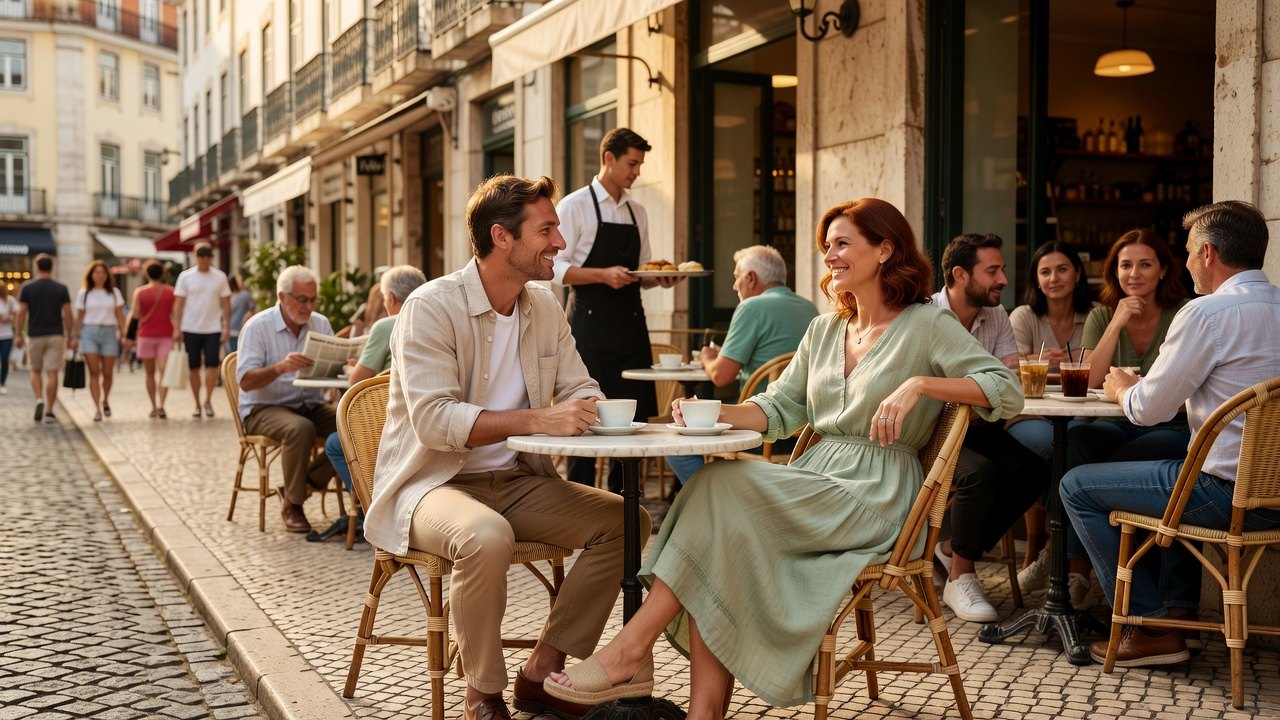
Public-first does not mean dull. It means the date has staff nearby, natural time limits, clear exits, and other people around. Coffee, breakfast, a museum, a market, a gallery opening, a group food tour, a busy waterfront walk, or a casual lunch all work better than private or transport-dependent first meetings.
Avoid first dates that create dependency. A match driving you to a scenic overlook may sound romantic, but it gives them control over geography and departure. A private apartment dinner may sound intimate, but it removes the social environment that helps first meetings stay balanced. A late-night bar crawl can be fun with people you trust; it is a poor opening format with someone whose judgment you have not seen under pressure.
If you are introverted, choose structure instead of isolation. A bookstore, cooking class, small group tour, food hall, museum, or short market loop gives conversation something to lean on without trapping you. Gallivanta’s travel date ideas for introverts are useful because they keep the plan social, public, and low-pressure.
Choose a date you would enjoy even if the person is only okay. If the market is good, the coffee is good, or the neighborhood is worth seeing in daylight, the date cannot fully waste your day. For city-specific inspiration, a guide like Gallivanta’s Mexico City solo date spots shows how venue choice, neighborhood, daylight, and transit can work together. That mindset also makes it easier to leave after one hour instead of trying to rescue the evening.
Plan arrival timing, neighborhoods, and transport before you say yes
Movement is where travel dates often become riskier than they need to be. Your solo travel dating safety plan should include the route there, the route home, and a backup if your first transport option fails.
Arrival timing matters. On landing day, you may be tired, hungry, carrying luggage, dealing with currency, and still learning how the city moves. Keep first meetings close to your accommodation area, daytime if possible, and short. Better yet, give yourself one night to settle in before dating. Adventure first does not mean saying yes while jet lag is making decisions.
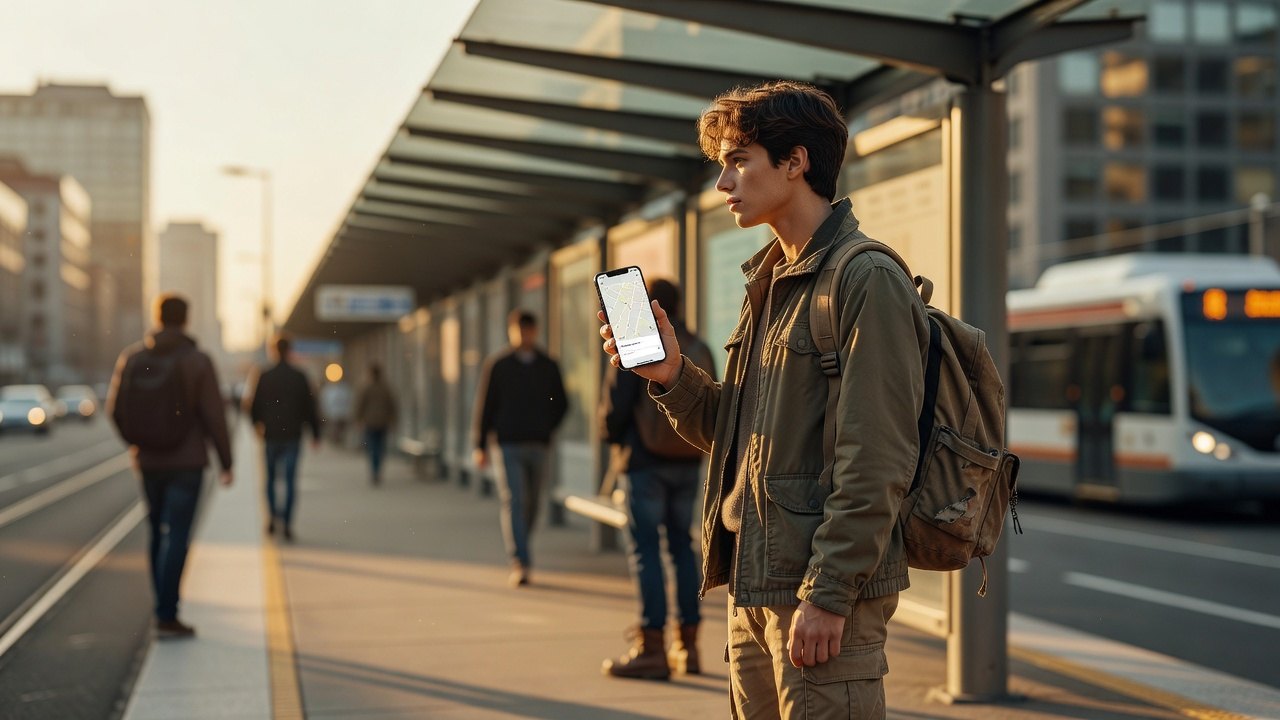
Neighborhood choice matters too. Pick central, well-lit areas with multiple ways home. Ask accommodation staff about the meeting area at the time you plan to be there. Save the date venue, a nearby backup venue, your accommodation address, and the local emergency number offline. If you use maps offline, download the city before you fly.
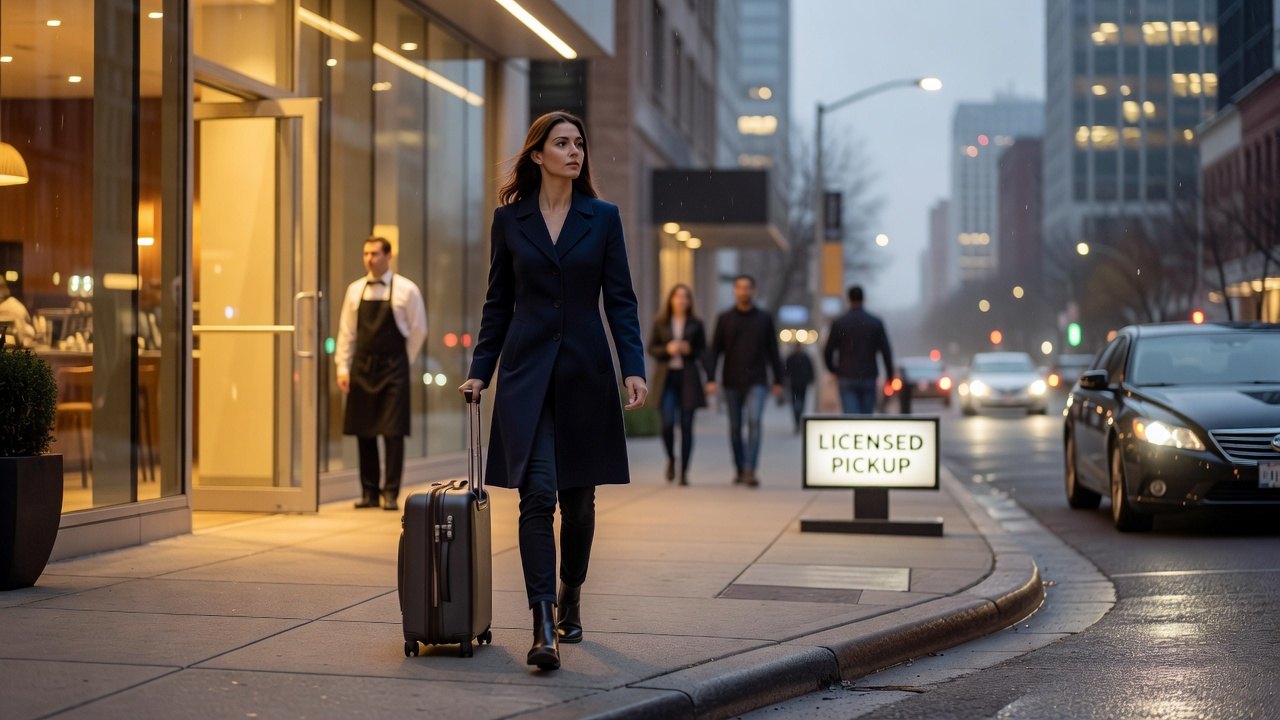
Transport is a boundary, not just a convenience. For the first meeting, arrange your own walk, transit, taxi, or rideshare. If someone offers to pick you up, thank them and say you will meet there. If they insist, they are giving you signal. Independence is attractive to the right person and inconvenient to the wrong one.
Budget also shapes movement. Keep enough local cash or a working card for your own drink, transit, and a backup ride. If the date shifts from a planned $8 coffee to a faraway dinner, you should be able to say, “I am keeping first dates casual this week, so I am staying near the original plan.”
Use traveler examples to pressure-test your plan
Maya, 29, landed in Lisbon on a Wednesday afternoon and matched with someone who suggested drinks in Bairro Alto that night. Her solo travel dating safety plan said no late first dates on arrival day, so she countered with coffee near Chiado the next morning. The match agreed, the timing fit her route, and she still had energy for her train to Porto later that week.
Jonas, 34, was working remotely from Medellin and had calls until 3 p.m. His profile said he was free for public early-evening plans in El Poblado or Laureles, not late-night clubs. That intent filtered out vague nightlife invites. When a match suggested a cafe walk before dinner, the plan worked because the neighborhood, timing, and exit route were clear before they met.
Priya, 31, had three nights in Mexico City before friends arrived. She wanted a date, not a private tour or someone steering her whole itinerary. She chose a museum loop and tacos in Roma Norte, sent the plan to a friend, and kept her exact accommodation private. The chemistry was good, but the safety win was simpler: the date fit her route instead of taking over it.
Alex, 27, was backpacking through Prague and had a strict daily budget. A match suggested a cocktail bar across town, then a second venue afterward. Alex’s default answer was ready: “I am doing low-key first dates this week, so I can do one drink near the Old Town tram line.” The right match accepted the limit. The wrong match would have revealed themselves before the meeting.
These examples are not scripts. They show how a plan protects the travel experience. Route, timing, intent, budget, and public-first structure make it easier to say yes when yes feels clear and no when a date starts asking for too much.
Loving This Travel Dating Safety? Don't Explore It Alone.
Real Gallivanta members are planning trips to Travel Dating Safety right now. Join the community and turn your solo travel dreams into shared adventures.
Join Gallivanta FreeCreate a check-in system you will actually use
The best check-in system is the one you can repeat without turning every date into admin. Pick one trusted person at home or one reliable travel friend. Tell them your general dating plan for the trip: “I may meet a few people while I am in Barcelona. I will send the venue and check in afterward.”
For each first date, send the match’s first name, profile screenshot if appropriate, meeting location, time, expected end window, and your planned transport. If you use live location sharing, share it with your trusted contact, not with the match. Agree on escalation: text first, call after 20 minutes, then contact your accommodation if several hours pass without a response.
Use a simple code phrase if you want an exit assist. Something ordinary like “How is the plant?” can mean “Call me with a reason to leave.” Keep it boring enough that it does not draw attention. The point is not drama; it is an easy off-ramp.
Phone and data realities matter. Confirm your eSIM, roaming, charger, and power bank before the date. Save offline maps. Screenshot the venue address. If your phone dies easily in cold weather or after heavy map use, build that into the plan. Traveler control depends on the boring stuff working.
Safety tips for women and higher-risk travelers
This section is for women, LGBTQ+ travelers, visibly foreign travelers, disabled travelers, and anyone who knows they may be read as more vulnerable in certain places. A solo travel dating safety plan should be honest about different risk profiles without telling anyone to shrink their trip.
Trust patterns more than promises. Someone who accepts a public date, lets you choose the neighborhood, respects a time limit, and does not rush intimacy is showing useful behavior. Someone who compliments you heavily but keeps pushing private logistics is not safer because they sound romantic.
Consider cultural and legal context without excusing pressure. Public affection, queer dating, gender norms, nightlife, and rides with strangers carry different risks by destination. Official travel pages can help with legal and safety context, and UN Tourism publishes broader travel responsibility resources. Use context to plan better, not to blame yourself for wanting connection.
Protect your accommodation. Do not let a first date walk you to your exact door if you are unsure. End at a nearby landmark, lobby cafe, transit stop, or rideshare pickup point. If someone sends a gift, delivery, or taxi to your accommodation early on, think carefully about what that reveals.
Use staff and public spaces. Hotel front desks, hostel teams, restaurant staff, museum security, and rideshare pickup zones can become part of your safety network. If a date is making you uncomfortable, step toward staff and say plainly that you need help calling transport or leaving.
Do not negotiate with discomfort. Women are often taught to soften exits and manage other people’s feelings. Kindness matters, but your safety does not require a debate. “I am heading out now” is enough. “No, I am not coming with you” is enough. You can leave without proving your case.
Handle budget, alcohol, and second-location invites
Alcohol can make travel dates feel festive, but it weakens the instincts you rely on in a new city. Decide your limit before the date. One drink or no drinks is a good first-meeting rule. Keep your drink in sight, order from staff yourself, and avoid mystery cocktails, drinking games, or anything handed to you away from the bar.
Money deserves a plan too. Carry enough to pay for yourself and leave independently. Do not let a stranger hold your passport, bag, phone, or wallet while you step away. If someone insists on paying, you can accept or decline, but payment does not buy access to your boundaries.
Second-location invites are where many dates shift. “My friend’s party is nearby.” “I know a better bar.” “Let’s grab a scooter.” “My apartment has a view.” Some invitations are genuine, and some are pressure tests. Your default for a first date should be another public venue nearby, chosen by you, with your check-in person updated.
Chemistry is not a safety signal. A person can be attractive, funny, and still not have earned private access. You can enjoy the spark while keeping the plan public. That is the heart of Gallivanta’s approach: adventure first, sparks welcome, control always stays with the traveler.
What to do when a date starts feeling wrong
Leaving is easier when you have words ready. If a date feels off, try: “I am going to call it a night.” “I have an early morning, so I am leaving now.” “This is not the right fit for me.” “I am not comfortable with that.” Short sentences work because they do not invite negotiation.
If the person argues, repeat yourself and move toward staff, a public area, or your transport. Do not let politeness keep you seated after your body has decided it is time to go. If the situation feels volatile, use your check-in call, say you feel unwell, or ask staff to help you leave through another exit.
Afterward, document anything serious while it is fresh. Screenshot chats, note the location and time, and report the profile if needed. If something illegal or threatening happened, contact local emergency services or your embassy or consulate. Even if you do not report, save the details for yourself.
Also give yourself credit for leaving. A date does not have to become visibly dangerous for your exit to be valid. “I did not like how I felt” is enough data.
A pre-landing solo travel dating safety plan checklist
Use this checklist before you fly or while you are still in the airport:
- Download offline maps for your destination.
- Save your accommodation address and local emergency number.
- Check official travel advice for scams, transport, legal context, health issues, and neighborhood cautions.
- Pick two or three first-date neighborhoods with public venues and easy transit.
- Decide your first-date rules: public place, your own transport, no exact accommodation details, and a clear time limit.
- Review your profile for location leaks.
- Set a check-in person and create a simple date template.
- Save embassy or consulate links.
- Confirm your phone plan, eSIM, charger, and power bank.
- Choose one low-budget public date idea you would enjoy even if the match is average.
This is not about turning romance into paperwork. It is about reducing the number of safety decisions you have to make while tired, excited, or in an unfamiliar neighborhood. The more you prepare before landing, the more present you can be when the right conversation appears.
FAQ: Solo Travel Dating Safety Plan
What should a solo travel dating safety plan include before I land?
A solo travel dating safety plan should include your first-date neighborhoods, public venue types, independent transport options, check-in person, privacy rules, phone/data backup, budget limit, and default answer to private or second-location invites. The point is to make the basic decisions before jet lag, chemistry, or pressure can blur them.
How do I keep a travel date public without making it awkward?
Frame it as your normal travel style, not as an accusation. Try, “I keep first travel dates public and easy, so coffee near the museum works best for me.” The right match will treat that as practical. If someone argues with a public-first plan, that response is useful information before you meet.
Should I share my hotel or hostel with a travel dating match?
Not for a first meeting. Share a nearby landmark, transit stop, lobby cafe, or neighborhood instead of your exact accommodation. If the date goes well, you can still keep the final walk or ride private. Protecting where you sleep is one of the simplest ways to keep traveler control.
Is nightlife safe for a first solo travel date?
Nightlife can be fun, but it is rarely the best first-date format in an unfamiliar city. If you want an evening plan, choose a busy public venue, set a time limit, arrange your own way home, keep alcohol modest, and update your check-in person before moving anywhere else.
How can Gallivanta help with safer solo travel dating?
Gallivanta is built around travel context: route, timing, intent, and public-first connection. That makes it easier to find people whose plans fit your trip instead of forcing you into vague local dating logic. The safety advantage is not a magic guarantee; it is better structure before the first yes.
Final thought
A good solo travel dating safety plan is quiet, flexible, and personal. It protects your time, privacy, movement, budget, and ability to say yes only when yes feels clear. It also helps you recognize the matches who respect your independence from the start.
Travel dating should not require pretending you are fearless. The better goal is confidence: knowing your boundaries, choosing public-first plans, keeping your own way home, and letting connection build at a pace that still feels like yours. In 2026, the smartest solo travelers are not choosing between adventure and care. They are building both into the same route.

Fact-checked | Safety reviewed | Updated July 1, 2026
Ready to Meet Your Next Travel Date?
You've got the destination, the vibe, and the courage to go solo. Now all you need is someone who gets it. Join Gallivanta and meet fellow travelers who believe the best chapters start with a one-way ticket.
Join Gallivanta Free