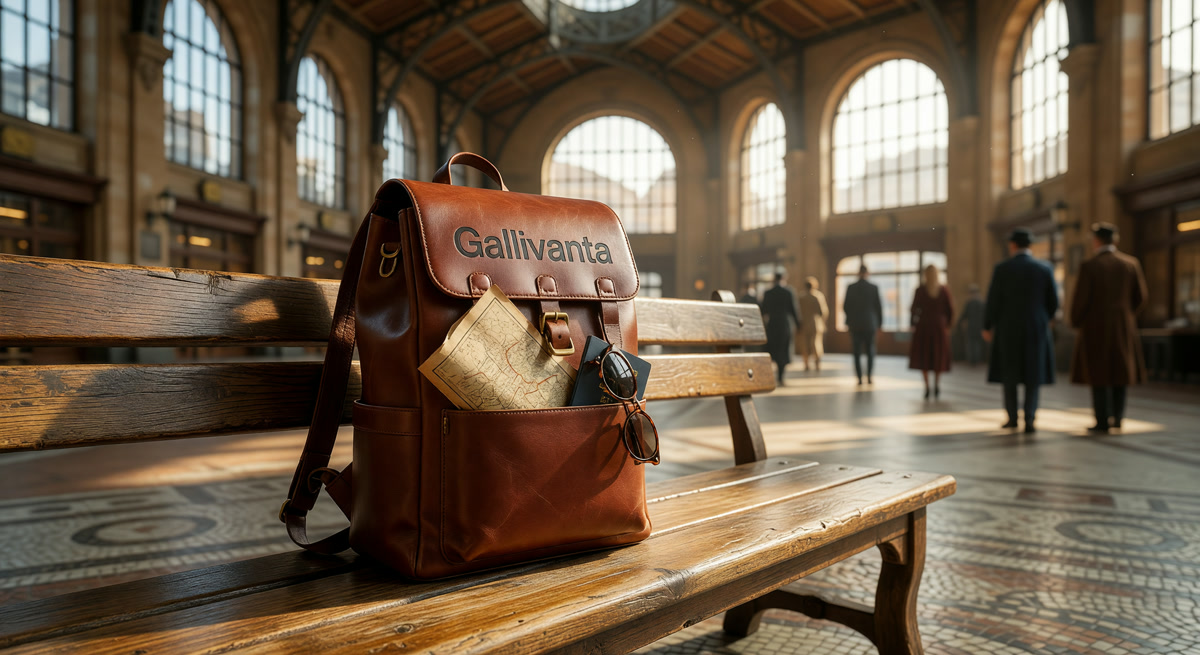
The Freedom of Solo Travel — With a Safety Net
Discover the freedom of solo travel with the safety of a community. Join Gallivanta today.
Join the Community — It's Free
✓ Free to join ✓ No credit card required ✓ Join 50,000+ travelers
Packing for a solo trip is equal parts strategy and seduction. You want to feel prepared, not panicked. Light, not loaded. And let’s be honest: you want to look good when you lock eyes with someone interesting across a Lisbon rooftop bar or bump into a fellow hiker at a Peruvian trailhead.
I’ve learned the hard way that what you pack shapes how free you feel. After 35+ countries of solo travel, I can tell you that the right gear buys you confidence, spontaneity, and the ability to say yes to last-minute invitations. This guide is not a generic checklist of toothbrushes and underwear. It is a curated, field-tested solo travel packing list built for travelers who want adventure first, with sparks welcome.
🧭 Jump into the Adventure
How We Chose These Picks
Every item on this list was selected based on real-world solo travel demands: portability, versatility, safety value, and social confidence. I drew from my own multi-year travel history across five continents, cross-referenced current airline baggage policies and safety recommendations from travel authorities, and filtered out trendy but impractical gear. No sponsored placements. No filler. Just what actually earns its space in your bag.
Why Your Packing List Matters More When You Travel Alone
When you travel with a partner or a group, you can borrow, divide, and delegate. Traveling solo means you are your own backup plan. That makes every item in your bag a decision about how capable, comfortable, and connected you want to be.
During my first real solo trip, a three-month backpack through Southeast Asia, I overpacked by about ten kilograms. I dragged that weight through Bangkok hostels, Indonesian ferry terminals, and up too many staircases. By week six, I had mailed half of it home. The lesson stuck: simplicity is freedom. And freedom is attractive.
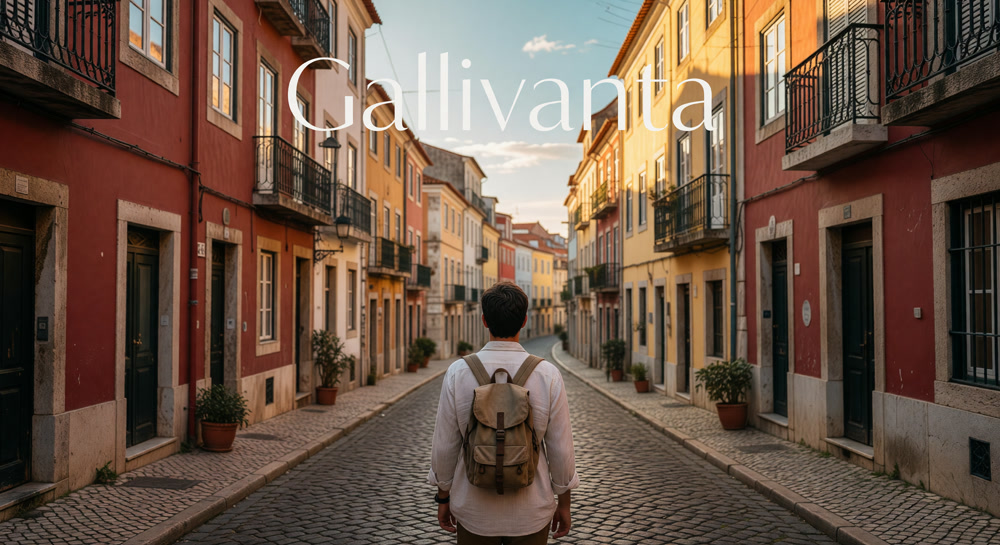
The Solo Travel Packing List: 17 Essentials for 2026
1. A Carry-On Backpack That Fits Under the Seat
Start with the bag itself. A well-designed carry-on backpack (30 to 45 liters) lets you skip checked baggage, move fast through airports, and keep your belongings within reach at all times. That last point matters more than people think. When you are traveling alone, your bag is your mobile home. You want it compact, organized, and comfortable enough to wear for an hour if you get lost looking for your hostel.
I have been using a 40-liter travel backpack for the past four years, and I cannot remember the last time I checked a bag. It forces discipline. It also forces you to dress with intention instead of bringing a mini-wardrobe for every hypothetical scenario.
2. Packing Cubes in Multiple Sizes
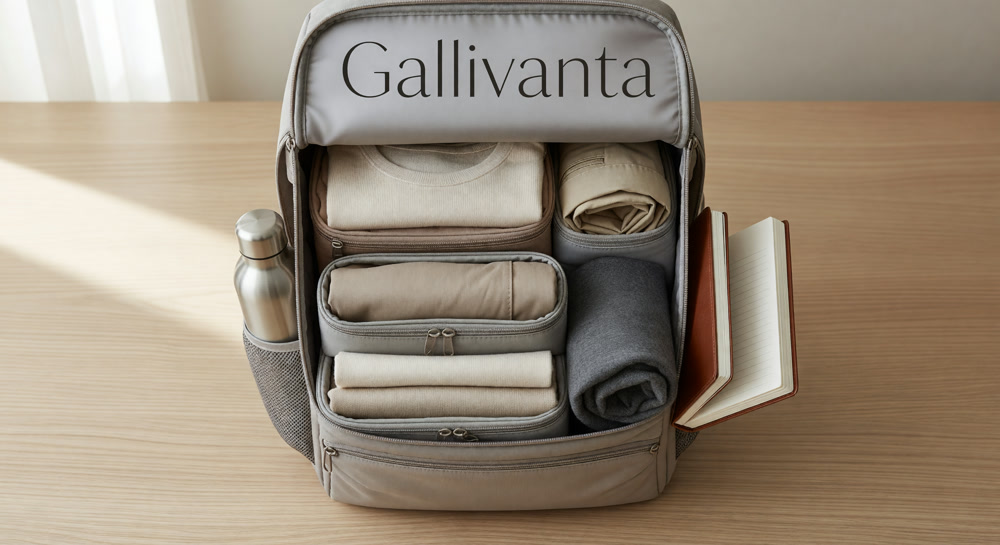
Packing cubes are the closest thing to magic in travel gear. They compress clothing, separate clean from worn items, and let you unpack and repack in under two minutes. When you are moving between cities every few days, that efficiency adds up.
I use a color-coded system: one cube for tops, one for bottoms, one for underwear and socks, and a small compression pouch for dirty laundry. It sounds obsessive until you are trying to find a clean shirt in a dark dorm room without waking your bunkmates.
3. A Versatile Wardrobe of Mix-and-Match Pieces
For solo travelers, clothing should work harder. Think neutral base layers, one or two statement pieces, and fabrics that resist wrinkles and dry quickly. A single pair of well-fitted dark jeans, two merino wool tees, a lightweight button-down, one travel dress or jumpsuit, and a comfortable but stylish pair of walking shoes will carry you through most social situations.
I once spent ten days in Portugal with exactly seven clothing items. Nobody noticed. What people do notice is confidence and fit. Choose pieces that feel like you, just slightly edited.
4. A Compact but Reliable Power Bank
Your phone is your map, translator, camera, boarding pass, emergency contact, and sometimes your social lifeline. A dead battery is not just inconvenient when you are solo; it can be genuinely stressful. A 10,000 to 20,000 mAh power bank with USB-C fast charging is non-negotiable.
I keep mine in my daypack at all times. It has rescued me during delayed trains, long walking tours, and nights when I needed to call a rideshare back to my accommodation after meeting people for drinks.
5. A Universal Travel Adapter with USB Ports
Different regions. Different outlets. One adapter. Look for a model that covers at least 150 countries and includes multiple USB-A and USB-C ports so you can charge several devices overnight without carrying extra plugs.
This small item has saved me from hotel rooms with only one accessible outlet, from co-working spaces in Buenos Aires, and from the realization at 11 p.m. that my hair trimmer has a two-prong plug and my Airbnb has three-prong sockets.
6. Noise-Canceling Earbuds
Solo travel is full of beautiful solitude, but sometimes you need to tune out snoring dorm mates, crying babies on buses, or the strange mechanical groan of an overnight ferry. Noise-canceling earbuds double as entertainment, sleep aids, and social shields when you need to reclaim your energy in a crowded space.
I use mine on every flight, but just as often in cafes when I want to journal without distractions. They also send a polite \u201cdo not disturb\u201d signal when you need it.
7. A Reusable Water Bottle with a Filter
Hydration is not glamorous, but dehydration absolutely ruins travel days. A reusable bottle with a built-in filter lets you refill from airport fountains, hotel taps, and questionable hostel sinks with less worry. It is better for your body, your wallet, and the planet.
In countries where tap water is not always safe, the filter gives you just enough extra confidence to stay hydrated between convenience store runs. I have used mine from Mexico City to Kathmandu without a single stomach issue I could trace to water.
8. A Small First-Aid Kit You Actually Know How to Use
A few adhesive bandages, antiseptic wipes, blister pads, pain relievers, anti-diarrhea tablets, and any personal prescriptions. That is it. You do not need a field surgery kit. You need the basics to handle a scraped knee, a sudden headache, or a questionable street-food decision without hunting for a pharmacy at midnight.
I have restocked mine more times than I can count. The blister pads alone have saved at least three walking tours I would otherwise have abandoned.
9. A Portable Door Lock or Doorstop Alarm
Solo safety does not have to be expensive or complicated. A small portable door lock adds an extra layer of security in hotels, hostels, or Airbnbs with weak or shared access. For an even simpler option, a doorstop alarm is loud, lightweight, and surprisingly effective.
I have used both in accommodations where the lock felt questionable or the neighborhood was unfamiliar. They do not replace good judgment, but they do help you sleep more soundly. And good sleep changes everything.
10. Copies of Important Documents (Physical and Digital)
Passport photocopies. Visa screenshots. Travel insurance details. Accommodation confirmations. Keep them in cloud storage, email them to yourself, and carry one printed set separate from the originals. If your bag is stolen or your phone dies, these backups can turn a crisis into a manageable inconvenience.
I learned this lesson in Vietnam when my phone was pickpocketed in Hanoi. Because I had printed copies and cloud backups, I replaced my phone, alerted my bank, and kept my itinerary moving within a day.
11. A Lightweight Daypack or Sling Bag
Your main bag stays at the hostel. Your daypack comes with you to museums, hikes, markets, and coffee dates. It should be small enough to not feel like luggage, but large enough for your water bottle, power bank, a light layer, and whatever you pick up along the way.
Mine currently holds my sunglasses, a paperback, a portable charger, and whatever pastry I impulse-buy at European train stations. It is also where I keep a light scarf, which doubles as a sun shield, modesty cover for temples, or picnic blanket.
12. A Solid Pair of Walking Shoes \u2014 and One Dressier Option
You will walk more than you expect. Cobblestones, temple stairs, airport terminals, forest trails. A broken-in pair of comfortable walking shoes prevents fatigue, blisters, and the misery of cutting a day short because your feet are screaming.
I also pack one lightweight dressier option: leather sandals, loafers, or clean white sneakers depending on the destination. They elevate an outfit just enough for a nice dinner, a date, or a rooftop bar where flip-flops will not cut it.
Loving This Citys? Don't Explore It Alone.
Real Gallivanta members are planning trips to Citys right now. Join the community and turn your solo travel dreams into shared adventures.
Join Gallivanta Free13. Quick-Dry Towel and Toiletries in TSA Sizes
Not every accommodation provides towels. Not every shower has good water pressure or shelves for your bottles. A quick-dry microfiber towel takes up almost no space and dries fast enough to pack before checkout. Keep toiletries minimal, refillable, and under 100 milliliters if you are flying carry-on only.
I have a single zip pouch with toothbrush, toothpaste, solid shampoo, deodorant, sunscreen, and a small fragrance. The fragrance is a subtle luxury, but I stand by it. Smelling nice is a small gesture of self-respect that also happens to be socially useful.
14. A Digital or Offline Translation Tool
Language barriers are part of the adventure, but they can also be isolating. Download offline language packs in Google Translate, or invest in a simple phrasebook app for your destination. Being able to ask for directions, read a menu, or exchange a few polite sentences opens doors, literal and figurative.
I once spent an afternoon in a small village in rural Colombia with almost no shared words. The offline translation app on my phone turned awkward silences into laughter and eventually an invitation to share lunch with a local family.
15. A Journal or Notes App for Ideas and Contacts
Solo travel moves fast. Faces, names, restaurant recommendations, sudden realizations: they all blur together if you do not capture them. A small physical notebook or a simple notes app gives you a place to record the details that matter.
I still flip through notebooks from years ago and find names of people I met, sketches of city maps, and quotes from conversations I would have forgotten otherwise. Some of those names turned into long-distance friendships. One turned into something more.
16. One Outfit That Makes You Feel Like Yourself
This is the item most packing lists ignore. Solo travel can be disorienting. You are far from home, outside your routine, and sometimes unsure of your place in a new environment. Packing one outfit that makes you feel attractive, grounded, and unmistakably \u201cyou\u201d is a psychological anchor.
For me, it is a well-fitted navy linen shirt, black jeans, and clean leather boots. Nothing flashy. But when I put it on, I feel like the version of myself who starts conversations and orders the interesting wine. That confidence is worth the space it takes up.

17. An Open Itinerary, and the Gear to Support It
The final item on this list is not physical, but your packing should make room for it. Leave space in your bag and time in your schedule for the unplanned. A flexible itinerary, a few empty afternoons, and the willingness to change plans are what transform a trip from sightseeing into story-making.
I have extended stays because of people I met, joined road trips I did not plan, and said yes to experiences that sounded slightly reckless at the time. Those are the moments I remember. And they only happen when your gear and mindset leave room for spontaneity.
Solo Travel Safety Tips: What to Actually Do
Safety is not about fear. It is about reducing friction so you can enjoy the adventure.
Trust your instincts. If a person, place, or situation feels off, you do not owe anyone politeness. Remove yourself.
Share your itinerary with someone at home. Even a rough outline with cities and dates helps.
Keep emergency cash hidden in at least two places. Cards fail. Networks go down.
Do not get drunk alone in unfamiliar environments. Social drinking is fine. Losing awareness is not.
Learn a few words in the local language. It signals respect and makes you less of an obvious target.
Research local scams before arrival. For more detailed health guidance by destination, check the CDC Travelers’ Health page. A ten-minute read can save you hours of headache.
Use reputable transportation apps instead of hailing random street taxis late at night.
Walk with purpose, even when you are lost. Predators often target people who look distracted or uncertain.
I follow these rules not because I am paranoid, but because they let me relax. The safer I feel, the more open I am to the good surprises.
FAQ
What is the best bag size for solo travel?
A 30- to 45-liter backpack is ideal for carry-on-only solo travel. It is large enough for a week or more, small enough to fit under most airline seats, and easy to manage alone.
How do I pack light without feeling underdressed?
Choose a cohesive color palette and fabrics that multitask. One dressier outfit and a few versatile basics will cover 90 percent of social situations.
Is solo travel safe for women?
Solo travel is safe for most women with the right preparation. Trust your gut, avoid risky situations, stay connected with someone back home, and research destinations with female traveler communities like JourneyWoman or Hostelworld’s solo travel guides.
What should I never forget on a solo trip?
Your phone charger, copies of your passport, travel insurance details, and any prescription medications. Everything else can usually be replaced or bought locally.
How can I meet people while traveling solo?
Stay in social accommodations like hostels or guesthouses, join walking tours or cooking classes, use apps designed for travelers, and say yes to communal tables. You do not need to be extroverted. You just need to be approachable.
Packing well is the first act of a great solo trip. The second act is choosing who shares it with you. Solo travel does not have to mean lonely travel. With the right mindset and the right gear, every departure board is a doorway to new stories, new friendships, and maybe something unexpectedly romantic.
Join a community built for travelers who believe adventure comes first, and sparks are absolutely welcome.

✓ Fact-checked • ✓ Safety reviewed • Updated April 9, 2026
Trusted Sources
- U.S. Department of State – Travel Advisories
- CDC – Travel Health Notices
- UNWTO – World Tourism Organization
Ready to Meet Your Next Travel Date?
You've got the destination, the vibe, and the courage to go solo. Now all you need is someone who gets it. Join Gallivanta and meet fellow travelers who believe the best chapters start with a one-way ticket.
Join Gallivanta Free