Find Your Travel Spark
Connect with like-minded adventurers. Your next great love story could be just one trip away.
Start Matching – Join Free✓ Free to join ✓ No credit card required ✓ Join 50,000+ travelers
Last updated: April 12, 2026 • 19 min read
By Rico Roger, Editorial Contributor at Gallivanta
15+ years travel tech • Solo traveler
✓ Fact-checked • ✓ Safety reviewed • Why trust us →
- → Exploring the Best Beaches in Puerto Rico
- → Editorial Methodology
- → 1. Flamenco Beach, Culebra
- → 2. Playa Buyé, Cabo Rojo
- → 3. La Playuela (Playa Sucia), Cabo Rojo
- → 4. Sun Bay Beach, Vieques
- → 5. Crash Boat Beach, Aguadilla
- → 6. Playa Jobos, Isabela
- → 7. Luquillo Beach (Balneario La Monserrate)
- → 8. Tres Palmas, Rincón
- → 9. Mosquito Bay, Vieques
- → 10. Seven Seas Beach, Fajardo
- → FAQ: Puerto Rico Beach Essentials
- → Safety Tips for Solo Travelers and Couples
Exploring the Best Beaches in Puerto Rico
Puerto Rico is the Caribbean’s best-kept secret for travelers who want turquoise water without the passport hassle. If you’re searching for the best beaches Puerto Rico has to offer in 2026, this is the list worth saving. With nearly 300 beaches spread across 270 miles of coastline, this U.S. territory serves up everything from world-class surfing to bioluminescent magic, all within a few hours’ flight from most major U.S. cities. The official Discover Puerto Rico tourism board is a solid starting point for regional beach planning. If you’re building a smarter island game plan, Gallivanta’s guides to best solo travel destinations in 2026 and how to meet people while traveling solo are both worth opening in another tab.
Whether you’re a solo adventurer looking to meet fellow travelers or a couple seeking that perfect sunset moment, Puerto Rico’s beaches deliver. No currency exchange. No roaming charges. Just pure tropical bliss with the safety net of being on American soil.
Here’s your definitive guide to the 10 best beaches in Puerto Rico for 2026, ranked by adventure potential, romantic appeal, and that undeniable wow factor.
Editorial Methodology
This guide was built using a mix of current reporting, official destination and transport sources, traveler-pattern research, and Gallivanta editorial review.
We weighted the factors that matter most to real solo travelers, including safety, logistics, ease of getting around, consistency of recent traveler feedback, overall experience quality, and whether each recommendation delivers more than just a pretty photo.
During editing, we filtered out weak, outdated, low-trust, or purely hype-driven picks and sources. Gallivanta guides are reviewed before publication and updated when material details change.
1. Flamenco Beach, Culebra
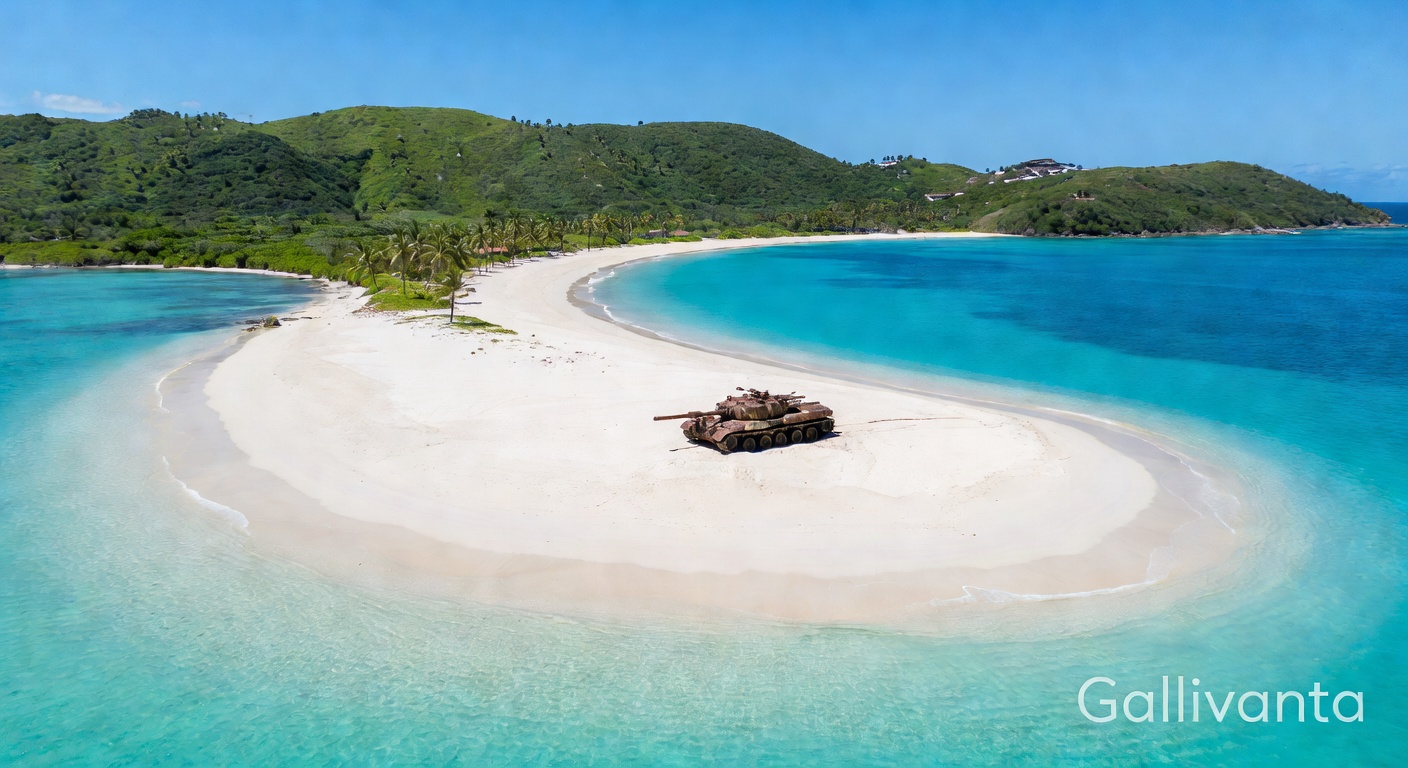
Let’s start with the obvious. Flamenco Beach consistently ranks among the world’s best beaches, and for good reason. This mile-long crescent of powder-white sand on Culebra Island looks like someone Photoshopped reality. The water shifts from pale turquoise near shore to deep sapphire offshore, and the backdrop of rolling green hills completes the fantasy. The Discover Puerto Rico guide is a solid official planning reference if you want to compare beach regions before locking your route.
Why solo travelers love it: The beach attracts a young, international crowd. You’ll find yourself sharing snorkel gear recommendations with backpackers from Berlin or swapping travel stories with digital nomads from Austin. The casual vibe makes striking up conversations effortless.
Why couples love it: Walk to the far end of the beach where the crowds thin out. Bring a bottle of wine (yes, it’s allowed), spread a blanket, and watch the sunset paint the abandoned military tanks, yes, tanks, rusting peacefully on the sand. It’s weird, romantic, and totally Instagram-worthy.
Getting there: Take the ferry from Ceiba (book tickets online in advance, they sell out) or splurge on a short flight from San Juan. Once on Culebra, taxis run to Flamenco for about $5 per person.
Pro tip: Arrive before 10 AM to claim prime real estate. The beach gets crowded by midday, especially on weekends.
2. Playa Buyé, Cabo Rojo
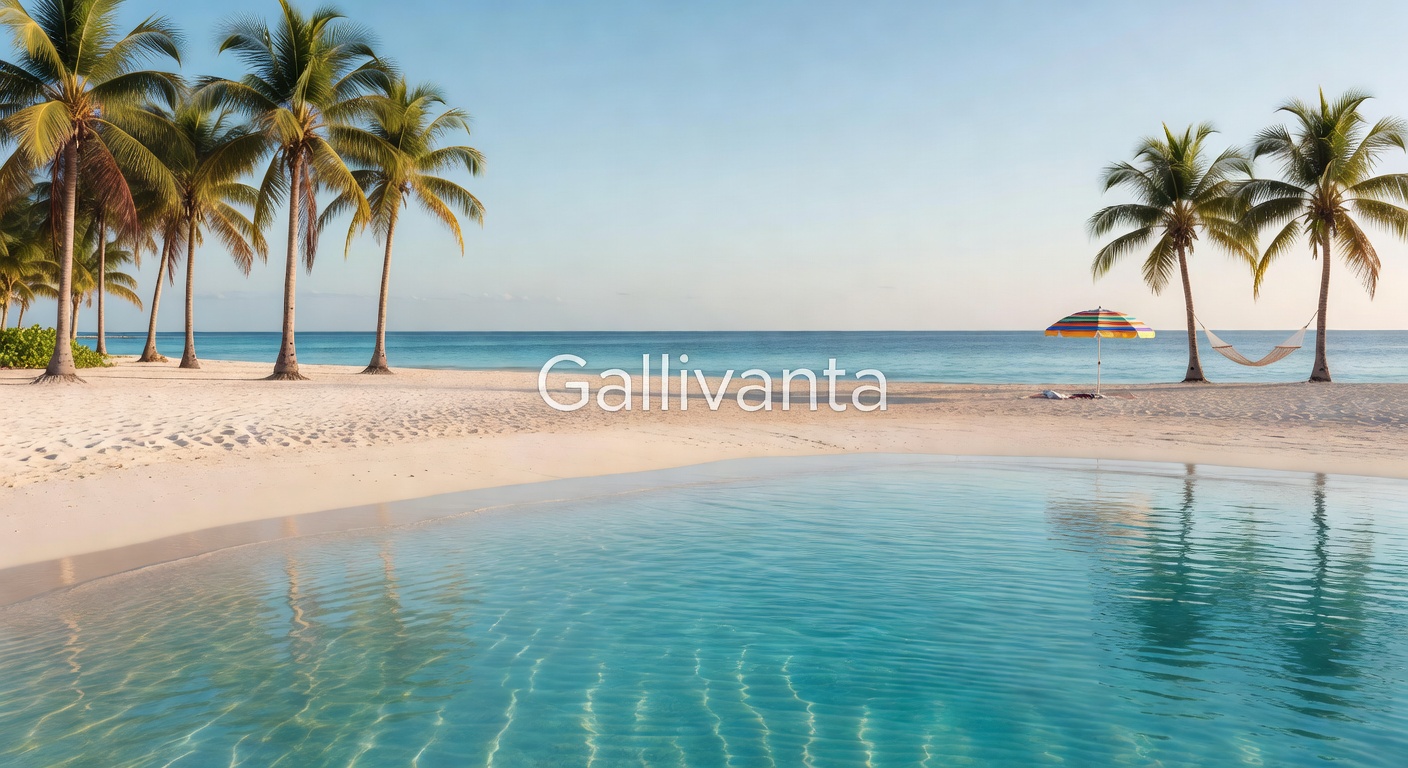
If Flamenco is Puerto Rico’s supermodel, Playa Buyé is its cooler, less-famous cousin who actually has better conversation skills. Located on the southwest coast, this palm-fringed paradise offers the calmest, clearest water on the island, perfect for floating aimlessly while questioning your life choices back home.
The beach sits in a protected cove, so waves rarely exceed a gentle ripple. The sand is soft and white, the palm trees provide natural shade, and the water displays that impossible Caribbean gradient of blues that makes you want to quit your job. If you’re planning this as part of a softer romantic escape, Gallivanta’s piece on why travel dating wins in 2026 fits the mood surprisingly well.
Why solo travelers love it: The mellow atmosphere attracts locals and in-the-know travelers rather than tour groups. Strike up conversations at the food kiosks serving fresh empanadillas and ice-cold Medalla beer. The vibe is unpretentious and welcoming.
Why couples love it: Rent beach chairs from the local vendors, order a piña colada served in an actual pineapple, and spend the afternoon doing absolutely nothing together. The shallow, warm water is perfect for holding hands while wading.
Getting there: Drive about 2.5 hours from San Juan or stay in nearby Boquerón for the full beach-town experience.
Pro tip: Bring cash, most vendors don’t take cards, and you’ll want to sample everything from alcapurrias to fresh coconut water.
3. La Playuela (Playa Sucia), Cabo Rojo
Don’t let the name fool you, “Playa Sucia” means “Dirty Beach,” but this is one of the cleanest, most pristine stretches of sand in Puerto Rico. The nickname comes from the natural debris that washes ashore, not pollution. Part of the Cabo Rojo National Wildlife Refuge, this beach feels wild and untouched.
The approach is dramatic: you drive past salt flats where flamingos sometimes feed, then crest a hill to reveal a stunning panorama of limestone cliffs, turquoise water, and white sand. The iconic red and white lighthouse, Faro Los Morrillos, stands guard on the cliffs above. The Puerto Rico Day Trips guide to Cabo Rojo is useful if you want to turn this into a full southwest-coast day.
Why solo travelers love it: The remote location means fewer crowds and a more contemplative experience. This is where you come to journal, meditate, or finally read that book you’ve been carrying for three countries. The hiking trails around the cliffs offer solitude and stunning views.
Why couples love it: The dramatic scenery creates natural romance. Walk hand-in-hand along the shoreline, explore the tide pools together, or climb to the lighthouse for panoramic views that’ll make you feel like you’re at the edge of the world.
Getting there: About a 2.5-hour drive from San Juan. The final stretch is a bumpy dirt road, take it slow.
Pro tip: There are no facilities here, so bring water, snacks, and sunscreen. The nearest bathrooms are back in town.
4. Sun Bay Beach, Vieques
Sun Bay (or Sombe, in the local Taíno language) is Vieques Island’s most accessible and family-friendly beach, but don’t let that fool you, it’s still absolutely gorgeous. This mile-long stretch of white sand features calm, clear water and enough space that you never feel crowded.
What makes Sun Bay special is its location. You’re just minutes from Esperanza, Vieques’ charming beach town with its waterfront promenade, restaurants, and bars. Yet the beach itself feels peaceful and natural, backed by palm trees and sea grape bushes. If Vieques ends up turning into a bigger island-hopping plan, Gallivanta’s guide on how to find a travel partner is a smart companion piece.
Why solo travelers love it: The mix of locals and travelers creates a social atmosphere without feeling touristy. Esperanza’s Malecón (waterfront promenade) is perfect for evening strolls and spontaneous conversations. The beach is also a great base for exploring Vieques’ other attractions.
Why couples love it: Sun Bay is one of the few beaches where you can watch both sunrise and sunset over water, thanks to Vieques’ orientation. Morning walks on the empty beach are pure magic. In the evening, walk into Esperanza for dinner at El Quenepo or Duffy’s.
Getting there: Take the ferry from Ceiba to Vieques, then rent a jeep (essential for exploring the island’s rough roads). Sun Bay is about 10 minutes from the ferry terminal.
Pro tip: Sun Bay is a public balneario with lifeguards and facilities, making it a safe, comfortable choice for your first Vieques beach day.
5. Crash Boat Beach, Aguadilla
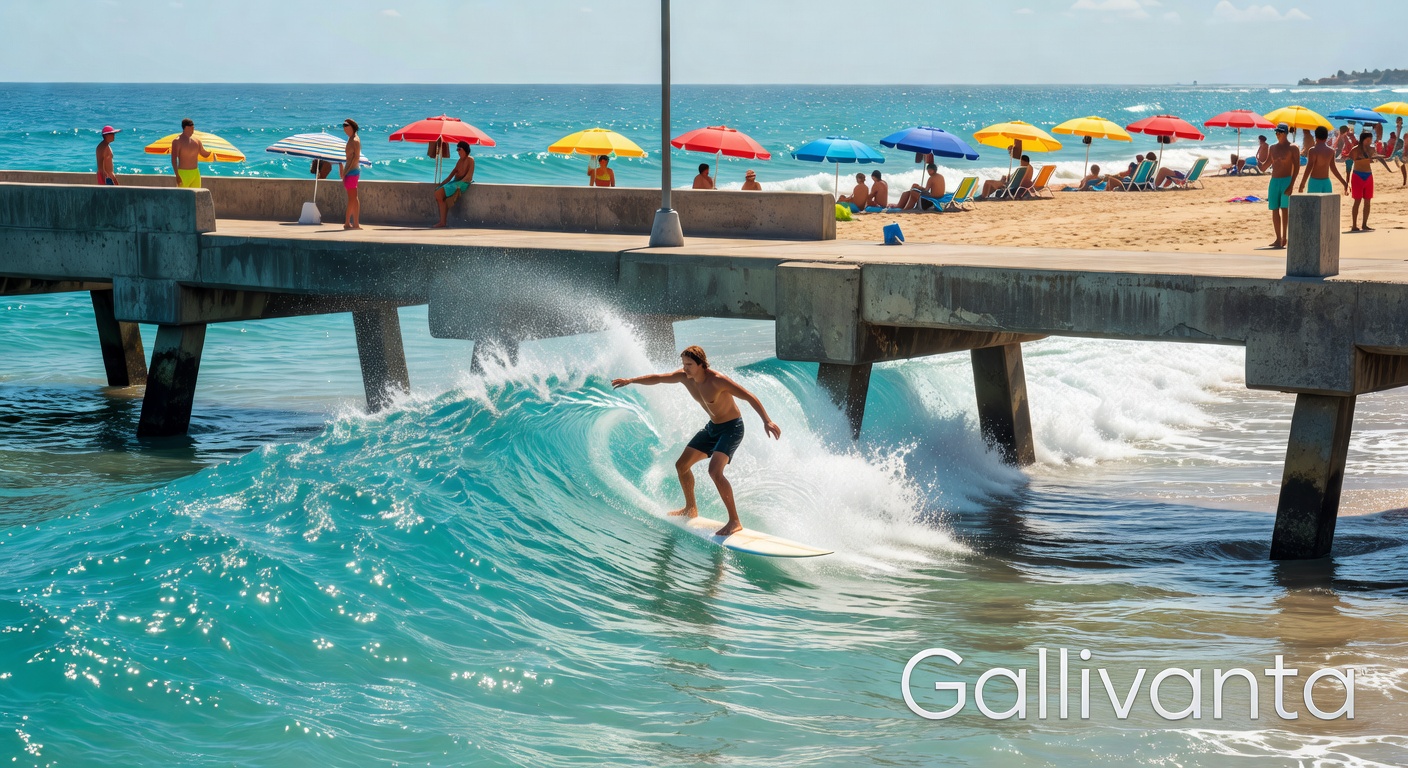
Crash Boat gets its name from the rescue boats that once launched from its pier during World War II. Today, those concrete pier remnants create one of Puerto Rico’s most distinctive beach scenes, and one of its best snorkeling spots.
The beach sits on Puerto Rico’s northwest coast, where the Atlantic meets the Caribbean. The water here is a shocking shade of blue, and the half-submerged pier creates an artificial reef teeming with tropical fish. On weekends, the beach transforms into a lively party scene with music, food kiosks, and locals showing off their best pier jumps. It is exactly the kind of place that makes Gallivanta’s advice on meeting people while traveling solo feel immediately practical.
Why solo travelers love it: The social atmosphere makes it easy to meet people. Join a game of beach volleyball, take a surf lesson from one of the local schools, or simply float near the pier and chat with fellow snorkelers. The beach bars here are friendly and welcoming.
Why couples love it: The pier creates a natural focal point, walk out hand-in-hand at sunset for photos that’ll make your friends jealous. The water is calm enough for swimming but lively enough to be fun. After dark, the beach bars offer live music and dancing.
Getting there: About a 2-hour drive from San Juan. Aguadilla has an airport with flights from the U.S. mainland if you want to skip the drive.
Pro tip: The pier jump is a local tradition, but check the water depth first and watch how the locals do it. The rusty metal can be sharp.
6. Playa Jobos, Isabela
Playa Jobos is where Puerto Rico’s surf culture was born. This crescent-shaped beach on the northwest coast offers something rare: a natural division between calm, family-friendly water on one end and consistent surf breaks on the other.
The beach is framed by rocky outcrops that create natural swimming pools at low tide. Palm trees line the shore, and the beach bars here serve some of the best piña coladas on the island. The vibe is distinctly local, this is where Puerto Rican families have been coming for generations. If you like pairing beach days with practical prep, Gallivanta’s solo travel safety guide for women has advice that still applies well here.
Why solo travelers love it: The surf community here is tight-knit but welcoming. Take a lesson from one of the beachside schools and you’ll have instant friends. The beach bars are social hubs where conversations flow as freely as the rum.
Why couples love it: The dual nature of the beach means you can swim together in the calm section, then watch your partner catch waves from the comfort of your beach chairs. The sunset views over the water are spectacular, and the nearby town of Isabela offers romantic dinner options.
Getting there: About 1.5 hours from San Juan. The beach is well-marked and easy to find.
Loving Trips Like These? Don't Explore Them Alone.
Real Gallivanta members are planning trips like these right now. Join the community and turn your solo travel dreams into shared adventures.
Join Gallivanta FreePro tip: The surf break is for experienced surfers only when it’s big. Beginners should stick to the inside section or take a lesson.
7. Luquillo Beach (Balneario La Monserrate)
Luquillo Beach is Puerto Rico’s most famous balneario, a government-managed public beach with full facilities including lifeguards, bathrooms, showers, and picnic areas. But don’t let the official designation fool you, this place has soul.
The beach stretches for nearly a mile along a crescent bay protected by a coral reef. The water is calm, warm, and perfect for swimming. Behind the beach, the El Yunque rainforest rises in a wall of green, creating one of the most dramatic backdrops on the island. The El Yunque National Forest site is worth checking if you want to combine rainforest time with your beach loop.
The real star, though, is the Luquillo Kiosks, a row of 60+ food stands serving everything from classic Puerto Rican fritters to fresh seafood. This is where you come hungry and leave happy.
Why solo travelers love it: The facilities make it a comfortable, safe choice for solo beach days. The kiosks are social spaces where you can chat with vendors and fellow food lovers. The beach attracts a diverse crowd, from families to solo backpackers.
Why couples love it: The combination of beach and rainforest creates endless date possibilities. Spend the morning swimming, hike El Yunque in the afternoon, then return for sunset and kiosk-hopping. It’s the perfect one-day Puerto Rico experience.
Getting there: About 45 minutes east of San Juan. The beach is impossible to miss, just look for the kiosk row.
Pro tip: Parking at the balneario costs $4-7, but street parking is free if you don’t mind a short walk.
8. Tres Palmas, Rincón
Tres Palmas isn’t for everyone, and that’s exactly the point. This is Puerto Rico’s premier big-wave surf spot, where the Caribbean’s largest swells create waves that can reach 20-30 feet. When conditions are right, it’s one of the most spectacular surf shows on earth.
Even if you’re not a surfer, Tres Palmas is worth a visit during a big swell. The energy is electric as locals and visitors line the road above the break, watching brave (some would say crazy) surfers take on massive waves. The scenery is rugged and dramatic, with rocky outcrops and crashing surf.
Why solo travelers love it: The surf culture in Rincón is legendary. Even if you don’t surf, the town is full of interesting people, surfers, artists, expats, and travelers who came for a week and stayed for years. The local bars are gathering places for stories and connections.
Why couples love it: Rincón is Puerto Rico’s most romantic surf town. Watch the sunset at Tres Palmas (the beach faces west, perfect for golden hour), then head to one of Rincón’s excellent restaurants. The town has a laid-back, bohemian vibe that encourages lingering.
Getting there: About 2.5 hours from San Juan. Rincón is worth a multi-day stay.
Pro tip: Check surf reports before visiting. Tres Palmas only breaks on big swells, otherwise, it’s just a rocky shoreline. November through March is prime season.
9. Mosquito Bay, Vieques
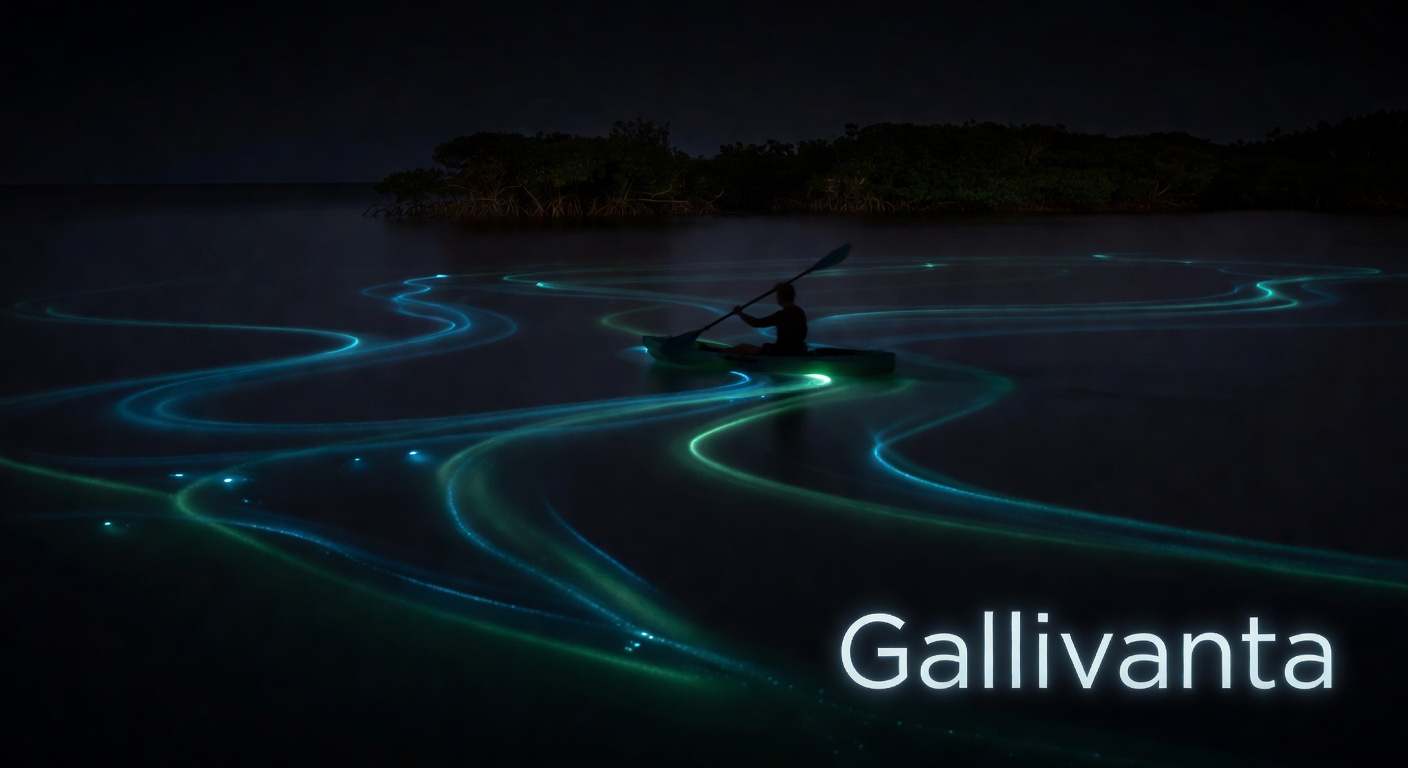
Okay, technically Mosquito Bay isn’t a beach, it’s a bioluminescent bay where microscopic organisms called dinoflagellates light up the water when disturbed. But no guide to Puerto Rico’s best coastal experiences would be complete without it.
Mosquito Bay holds the Guinness World Record for the brightest bioluminescent bay in the world. On a dark night, every stroke of your kayak paddle creates trails of blue-green light. Fish swimming below look like underwater shooting stars. It’s one of the most magical experiences you can have in the Caribbean, and exactly the kind of once-in-a-lifetime moment that makes Gallivanta’s best solo travel destinations in 2026 feel very real.
Why solo travelers love it: The kayak tours are group activities by necessity, making them natural social experiences. There’s something about shared wonder that breaks down barriers. You’ll be chatting with your fellow kayakers before you reach the bay.
Why couples love it: This is pure romance. Holding hands in a kayak while the water glows around you? It’s like being inside a fantasy movie. Many couples report this as the highlight of their Puerto Rico trip.
Getting there: Located on Vieques Island. Take the ferry from Ceiba, then book a tour with one of the licensed operators like Black Beard Sports or Abe’s Snorkeling.
Pro tip: Time your visit with a new moon for maximum darkness and brightness. Avoid light pollution from phones and cameras, the bioluminescence is best experienced with dark-adapted eyes.
10. Seven Seas Beach, Fajardo
Seven Seas (Siete Mares) is the gateway beach to Puerto Rico’s eastern islands. Located in Fajardo, this protected cove offers calm, clear water perfect for families, beginner snorkelers, and anyone who prefers their ocean experiences on the tranquil side.
The beach is part of the Seven Seas Natural Reserve, which protects important coral reefs and marine ecosystems. The water is shallow for a long distance, making it safe for wading and beginner swimming. The views extend to the nearby islands of Icacos and Palomino.
Why solo travelers love it: Seven Seas is the departure point for trips to Culebra and Vieques, making it a natural meeting point for travelers. The beach itself is peaceful and uncrowded during weekdays. The nearby town of Fajardo offers affordable accommodations and local dining.
Why couples love it: The calm water is perfect for floating together, and the nearby bioluminescent lagoon at Las Croabas offers a second magical evening activity. The beach faces east, making sunrise walks spectacular.
Getting there: About 45 minutes east of San Juan. The beach is well-marked and offers parking for a small fee.
Pro tip: Combine Seven Seas with a trip to the nearby El Yunque National Forest for a perfect day of nature and beach.
FAQ: Puerto Rico Beach Essentials
Do I need a passport to visit Puerto Rico?
No. Puerto Rico is a U.S. territory, so American citizens only need a valid ID (driver’s license works). International visitors follow standard U.S. entry requirements.
What’s the best time to visit Puerto Rico’s beaches?
December through April offers the best weather, warm, dry, and sunny. However, this is peak tourist season. May through November is less crowded and cheaper, though you’ll need to watch for hurricane forecasts (June-November is hurricane season).
Are Puerto Rico’s beaches safe for solo female travelers?
Generally yes, with standard precautions. Stick to popular beaches with lifeguards, avoid isolated areas after dark, and don’t leave valuables unattended. The balnearios (public beaches with facilities) are particularly safe.
Do I need to rent a car to visit these beaches?
For Culebra and Vieques, no, you can walk or taxi from the ferry terminals. For mainland beaches, a car is highly recommended. Public transportation exists but is limited, and ride-sharing can be expensive for long distances.
What’s the water temperature like?
Year-round water temperatures range from 77-84°F (25-29°C). It’s always swimmable, though locals might complain it’s “cold” in January.
Are there any dangerous marine animals?
Shark attacks are extremely rare in Puerto Rico. Box jellyfish occasionally appear, and sea urchins live on rocky areas, wear water shoes if exploring tide pools. Rip currents can be dangerous at unprotected beaches, always check conditions and swim near lifeguards when possible.
Can I drink alcohol on Puerto Rico’s beaches?
Technically, public alcohol consumption is illegal, but enforcement is relaxed at most tourist beaches. Use discretion, clean up after yourself, and avoid glass containers.
What’s the deal with “balnearios”?
In Puerto Rico, a balneario is a government-managed public beach with facilities like bathrooms, showers, lifeguards, and parking. They’re affordable (usually $4-7 parking), safe, and well-maintained. Think of them as state parks with better swimming.
Safety Tips for Solo Travelers and Couples
For Solo Travelers:
- Share your itinerary. Let someone know which beach you’re visiting and when you expect to return.
- Trust your instincts. If a beach or area feels off, leave. There are 290 other beaches to choose from.
- Keep valuables minimal. Bring only what you need. Waterproof phone cases are essential.
- Learn basic Spanish. While English is widely spoken, knowing “hola,” “gracias,” and “¿dónde está…?” goes a long way.
- Stay hydrated. The Caribbean sun is intense. Bring more water than you think you need.
- Know the flags. Red means don’t swim. Yellow means caution. Green means go.
For Couples:
- Divide and conquer. One person watches the gear while the other swims. Never leave valuables unattended.
- Have a meeting point. Beaches can be crowded. Pick a landmark in case you get separated.
- Respect local norms. Public displays of affection are generally fine, but keep it tasteful.
- Watch each other’s backs. Rip currents and changing conditions can surprise even strong swimmers.
- Bring a waterproof camera. Some moments are too good to miss, and phone cases fail.
For Everyone:
- Check current health guidance. The CDC Puerto Rico travel health page has up-to-date recommendations for U.S. territories.
- Reef-safe sunscreen is law. Regular sunscreen is banned at many beaches. Buy reef-safe zinc oxide before you arrive.
- Leave no trace. Pack out everything you pack in. Puerto Rico’s beaches are treasures, treat them that way.
- Support local vendors. Buy from the beach kiosks and food trucks. Your dollars support the communities that maintain these beautiful places.
- Know the emergency number. 911 works in Puerto Rico, just like the mainland U.S.
Puerto Rico’s beaches offer something rare in today’s world: authentic beauty without overdevelopment, accessible adventure without excessive danger, and that magical Caribbean combination of warm water, soft sand, and welcoming culture. If this trip is doing double duty as a connection reset, Gallivanta’s travel-first dating perspective makes a surprisingly good final read before you book.
Whether you’re traveling solo and hoping to make connections, or coupled up and seeking romance, these ten beaches deliver experiences that’ll stay with you long after your tan fades.
The hardest part? Choosing which one to visit first.
Trusted Sources
- U.S. Department of State – Travel Advisories
- CDC – Travel Health Notices
- UNWTO – World Tourism Organization
Ready to Meet Your Next Travel Date?
You've got the destination, the vibe, and the courage to go solo. Now all you need is someone who gets it. Join Gallivanta and meet fellow travelers who believe the best chapters start with a one-way ticket.
Join Gallivanta Free
✓ Fact-checked • ✓ Safety reviewed • Updated April 12, 2026