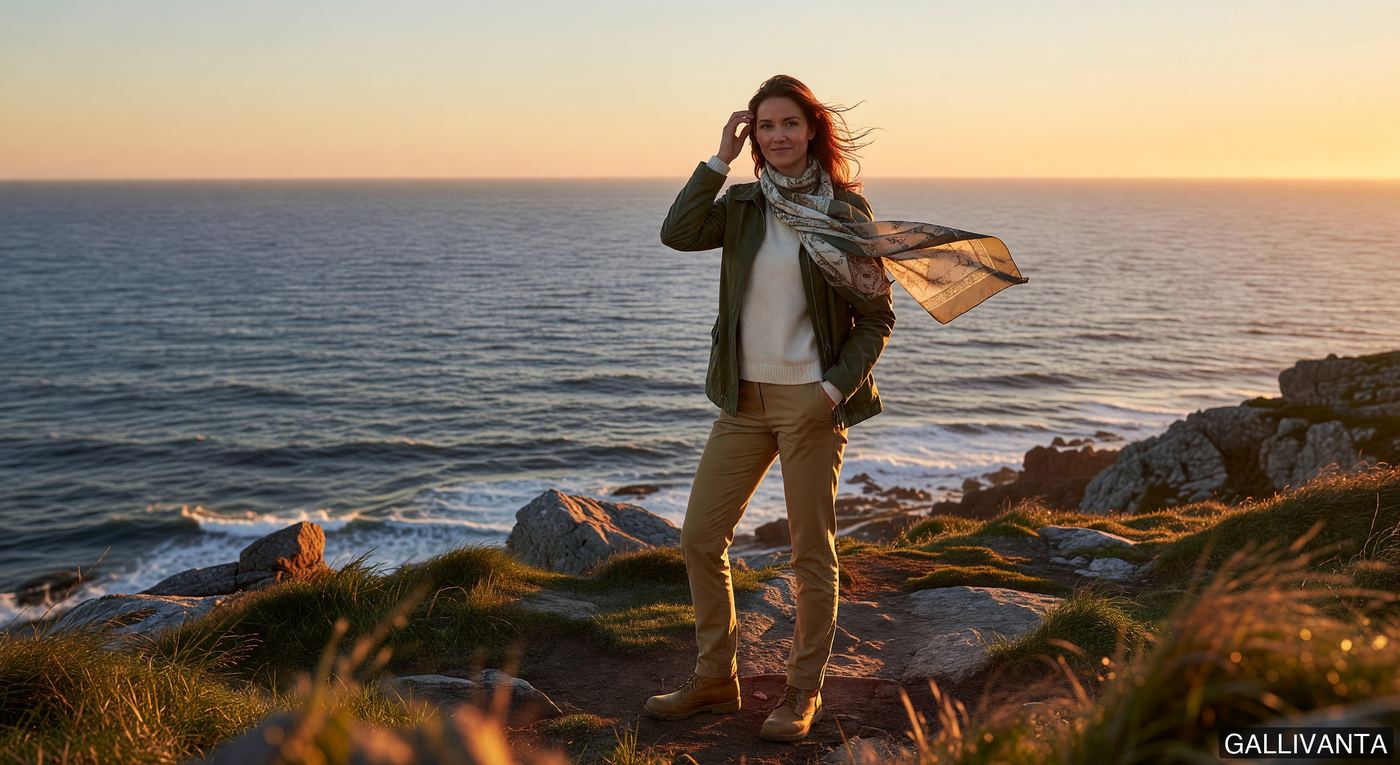
The Freedom of Solo Travel – With a Safety Net
Discover the freedom of solo travel with the safety of a community. Join Gallivanta today.
Join the Community – It's Free
✓ Free to join ✓ No credit card required ✓ Join 50,000+ travelers
There’s a particular magic that happens when you travel alone, when there’s no one else to defer to, no compromise to navigate, no one else’s mood to manage. You wake up in a stranger’s city and the only agenda is whatever your heart whispers it should be. Transformative solo adventures aren’t about running away from your life. They’re about running toward the version of yourself you’ve always suspected was waiting in the wings, just one great trip away.
Whether you’re a seasoned independent traveler or nervously eyeing your first real solo escape find your travel buddy on Gallivanta, or connect with travelers heading the same way, these twelve journeys have been known to rearrange a person’s entire sense of what’s possible. Some are gentle. Some are rugged. All of them leave marks that stick, the kind that show up months later when you’re back at your desk and something makes you smile for no reason.
🧭 Jump into the Adventure
- → Hiking the Camino de Santiago, Spain
- → Solo Safari in Botswana’s Okavango Delta
- → Meditation Retreat in Kyoto’s Ancient Temples
- → Diving the Great Barrier Reef, Queensland
- → Island-Hopping in Greece’s Lesser-Known Archipelago
- → Road Trip Along the Wild Atlantic Way, Ireland
- → Yoga and Surf Retreat in Nosara, Costa Rica
- → Exploring Petra by Night and Day, Jordan
- → Cherry Blossom Season Solo in Tokyo’s Neighborhoods
- → Sailing the Turkish Turquoise Coast
- → Volcano-Hopping in Iceland’s Interior Highlands
- → Walking the Ring of Kerry, Ireland
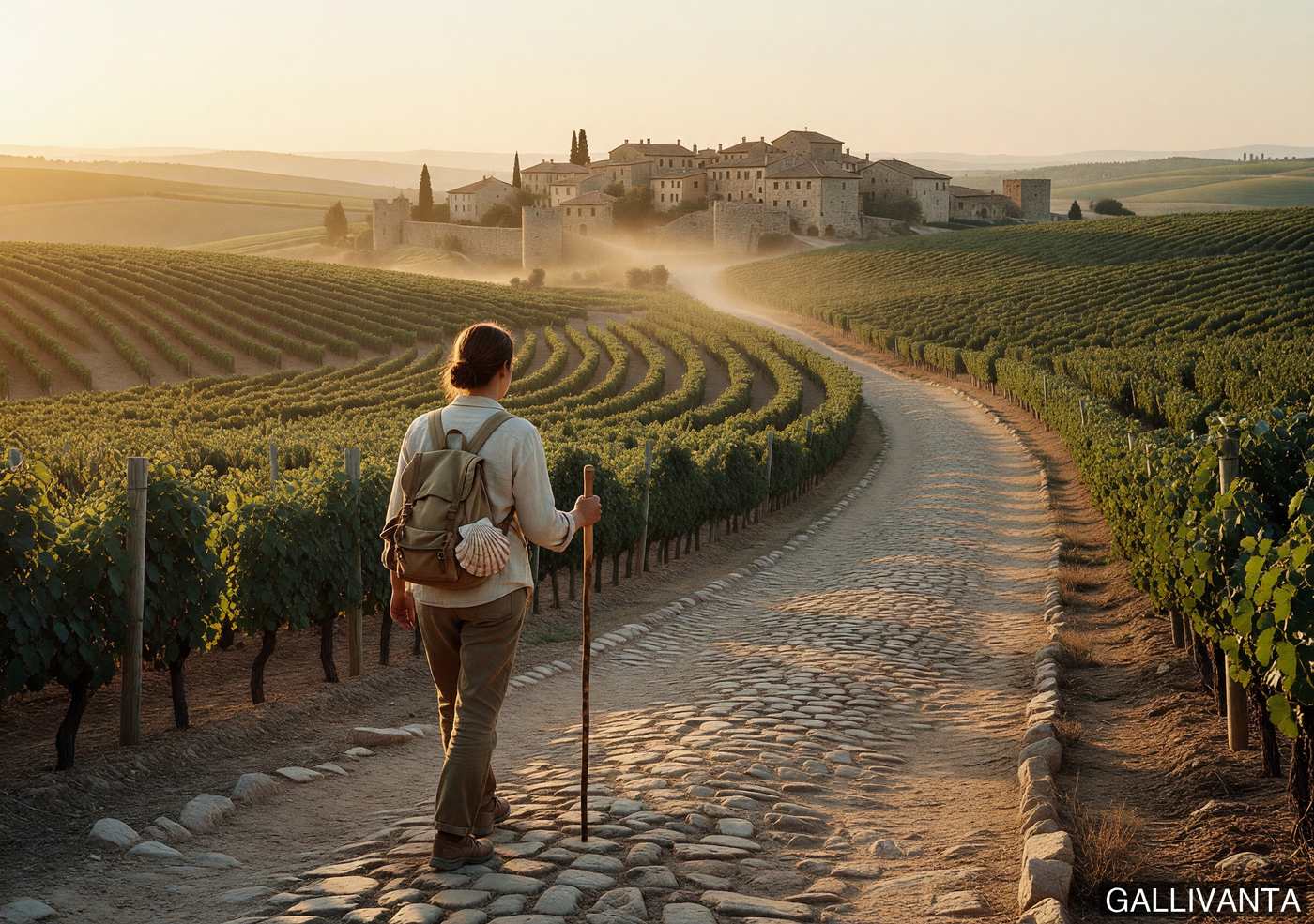
1. Hiking the Camino de Santiago, Spain
There’s a reason so many pilgrimage narratives involve walking: the rhythm of footsteps clears something loose in the mind. The Camino Francés, the most traveled of the Camino routes, delivers you through rolling vineyards, medieval villages, and the unexpected company of hundreds of fellow walkers from every corner of the world. You’ll share wine with a retired dentist from Amsterdam, cry with a Brazilian artist navigating a divorce, and discover that your body is capable of more quiet endurance than you ever imagined.
Most women walk the final 100km to earn the compostela certificate, which is entirely reasonable, but if you have the time, the full route from Saint-Jean-Pied-de-Port offers something rarer still: weeks of beautiful monotony that eventually becomes a kind of moving meditation.
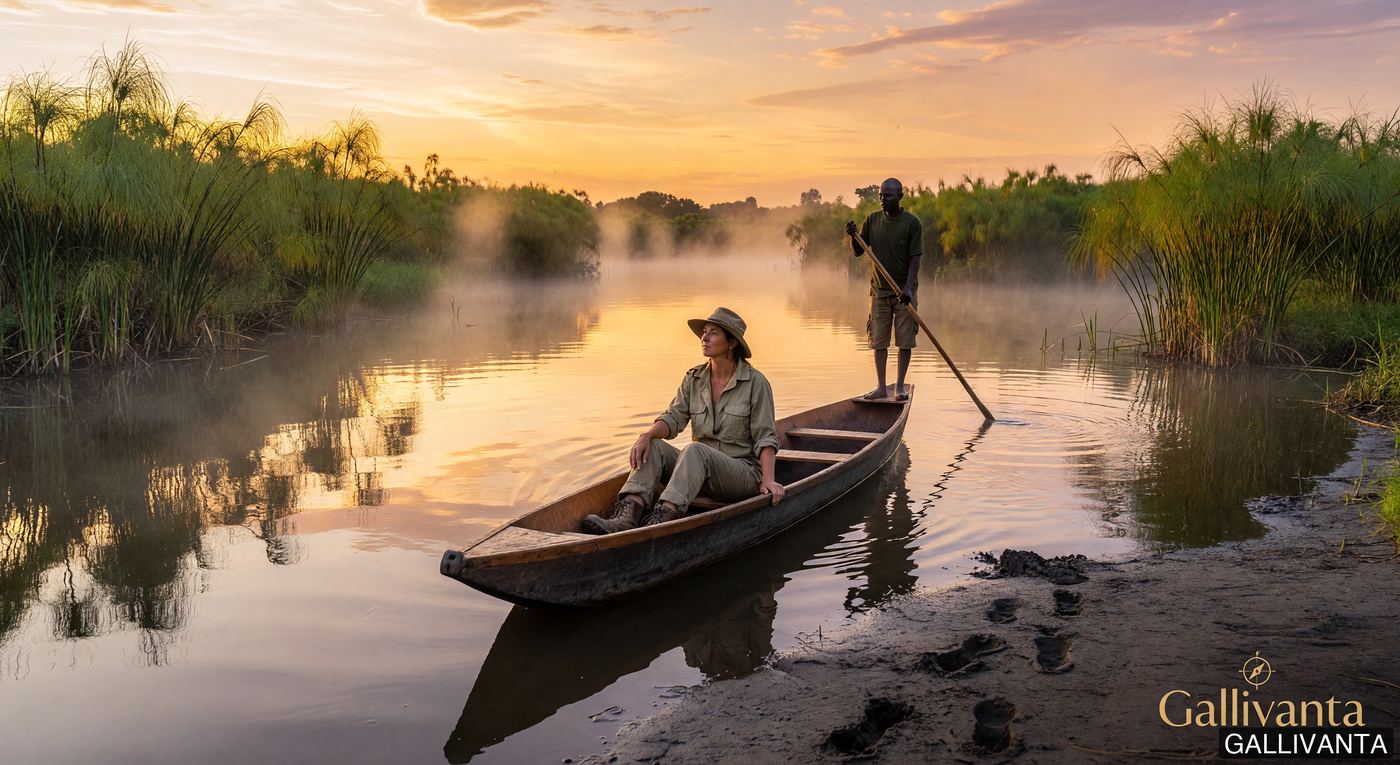
2. Solo Safari in Botswana’s Okavango Delta
You haven’t truly tested your relationship with silence until you’ve sat in a mokoro, a traditional dugout canoe, gliding through papyrus channels at dawn, listening to hippos clear their throats in the distance. Botswana’s Okavango Delta is one of the most pristine wilderness areas on the planet, and doing it solo with a quality safari operator means every game drive, every sundowner, every whispered conversation with your guide about lion behavior is yours to absorb completely.
This isn’t a trip where you crowd-please or Instagrize the moment. The delta asks something of you, patience, presence, a willingness to be still. Women who return from Okavango safaris frequently describe a before-and-after clarity about what actually matters to them.
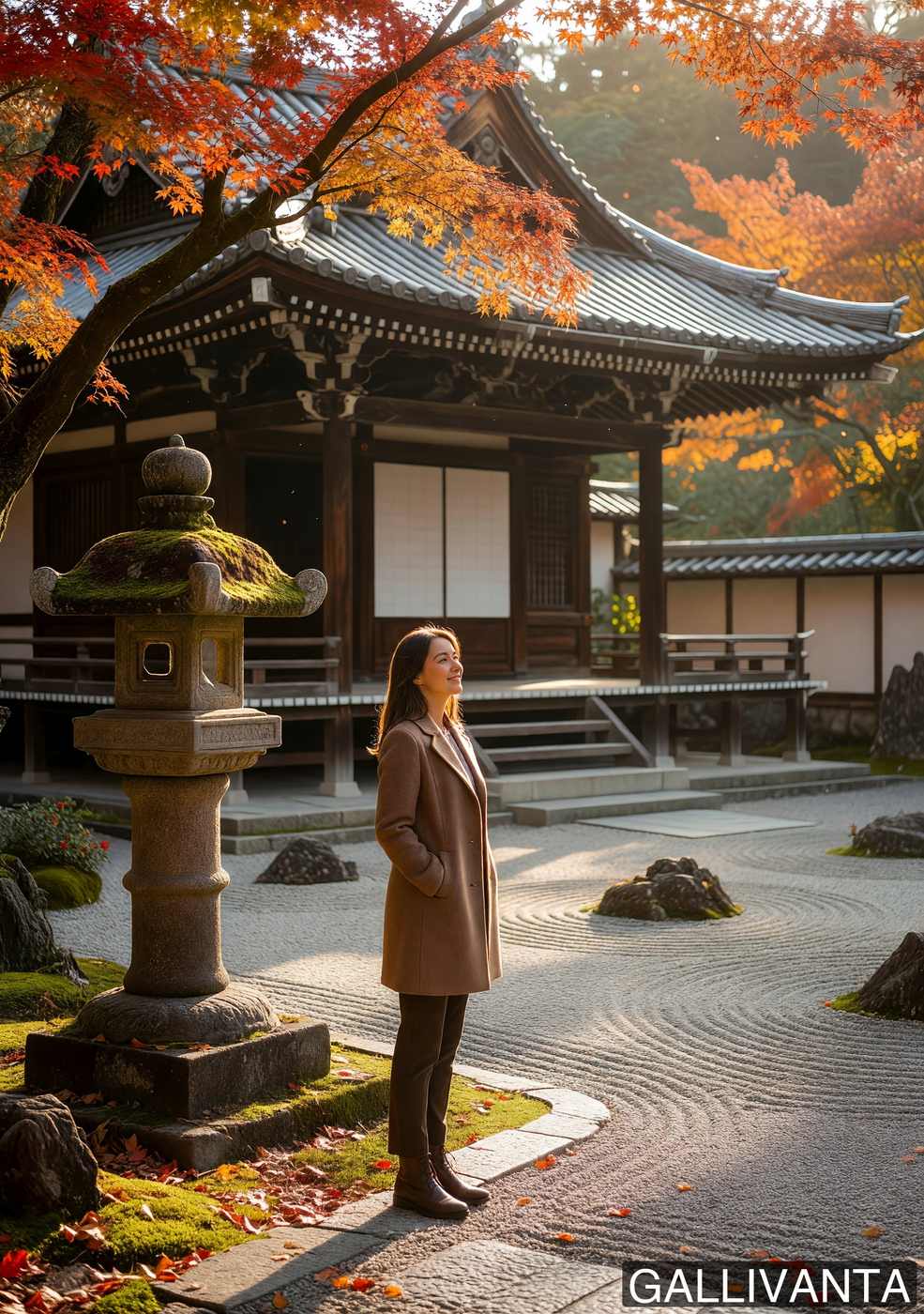
3. Meditation Retreat in Kyoto’s Ancient Temples
Japan understands the art of restraint. In Kyoto’s temple precincts, you’ll find retreat centers offering multi-day meditation programs, early wake-ups, silent meals, zazen (seated meditation), and walking rituals through moss gardens that have been cultivated for centuries. The silence isn’t empty; it’s full of things you’ve been too noise-distracted to hear.
Solo women are particularly well-catered-to in Kyoto’s temple lodging system (shukubo), where monks have been hosting pilgrims for over a thousand years. The experience is structured, sober, and quietly profound.
4. Diving the Great Barrier Reef, Queensland
There’s something leveling about being underwater. The reef doesn’t care about your job title, your relationship status, or your quarterly targets. It simply exists, an architecture of living color that has been growing, dying, and regenerating for twenty-five million years. Swimming through it solo, with just your guide and your breath, is one of the most privately humbling experiences the natural world offers.
A liveaboard dive boat puts you hours from shore in open ocean, surrounded by the kind of darkness that used to terrify and now reminds our mammalian brains how small we really are. Many women report returning from their first liveaboard with a completely recalibrated sense of risk and reward.
5. Island-Hopping in Greece’s lesser-known archipelago
The Greek islands have a way of dissolving your grip on time. You miss a ferry because you were having a conversation with a 78-year-old fisherman named Dmitri about the price of octopus, and somehow it doesn’t feel like a disaster. On Ikaria, one of the world’s documented Blue Zones, where people routinely live past 100, you’ll find villages where lunch is still the biggest event of the day and no one is in a hurry.
The Dodecanese are wind-scraped, historically layered (these islands have been Venetian, Ottoman, Italian, and German in just the past 200 years), and genuinely uncomplicated to navigate solo. Ferries are frequent, tavernas are generous with portions and conversation, and the sea is that particular Aegean blue that makes you understand why people invented poetry.
6. Road trip along the Wild Atlantic Way, Ireland
Ireland doesn’t require translation. The landscape speaks directly to something ancient and slightly irrational in your chest, those stone walls that go on for miles for no discernible reason, the pubs where strangers become family over fiddles and whiskey, the Atlantic light that makes everything look like a painting someone decided wasn’t quite finished.
Driving the Wild Atlantic Way solo means you’re fully responsible for every decision: which turn to take, which pub to stop at, which coastal cliff you want to sit on for an hour just breathing. This sounds simple but it’s actually radical in a world where most women’s choices are constantly negotiated, managed, and second-guessed by external input.
7. Yoga and Surf Retreat in Nosara, Costa Rica
Nosara sits inside a wildlife sanctuary. Howler monkeys wake you up. Tropical birds commute overhead. The surf is consistent, challenging enough to keep you humble, forgiving enough that beginners can absolutely thrive. Add twice-daily yoga in a jungle-bound shala, farm-to-table food, and the particular flavor of community that develops among strangers when they’re all learning something physical and difficult together, and you’ve got the ingredients for genuine personal recalibration.
This journey works particularly well for women who associate travel with exhaustion rather than restoration. Nosara isn’t about pushing through, it’s about softening into your own competence.
8. Exploring Petra by Night and Day, Jordan
The Siq, that narrow sandstone canyon that serves as Petra’s dramatic entrance, is lit by thousands of candles and the sky is thick with stars, while traditional Bedouin music plays. You sit on the ground and let it happen. You don’t Instagram it. You don’t take notes. You just witness.
Then you wake up early the next morning and walk the same Siq in complete silence before the day-trippers arrive, and the Treasury reveals itself in full morning light, rose-red and impossible, and you understand why the Nabataeans chose to build their entire civilization here.
9. Cherry Blossom Season Solo in Tokyo’s Neighborhoods
Tokyo during sakura season is a study in controlled beauty, the Japanese have elevated the temporary nature of the cherry blossom into an entire philosophy (mono no aware: the bittersweet awareness of impermanence). Finding a spot in a local park, spreading a plastic sheet, and sitting under a canopy of pale-pink blossoms with a convenience store bento and a can of chu-hai is one of the most quietly profound solo travel experiences available anywhere on earth.
The city rewards slow wandering in a way that few metropolises do. Tokyo’s neighborhoods have genuine personalities, Yanaka is beautifully old-Tokyo, Shimokitazawa is indie music and vintage clothing, Nakameguro’s canal turns into something from a Miyazaki film when the blossoms fall onto the water’s surface.
10. Sailing the Turkish Turquoise Coast
The Turquoise Coast gets its name from the water, a searing, almost artificial-seeming blue that laps against limestone cliffs, Roman ruins half-submerged in the shallows, and tiny coves accessible only by boat. A traditional wooden gulet sailing cruise is one of the great undervalued travel experiences: you sleep on deck under stars, swim in different coves every morning, eat seafood caught and cooked by your crew, and lose all sense of urgency within about 36 hours.
Turkey’s coastline has been traded by Romans, Byzantines, Ottomans, and Crusaders, there are Lycian tombs carved directly into the cliffs above your swimming spot. History and hedonism in the same afternoon.
11. Volcano-Hopping in Iceland’s Interior Highlands
Iceland’s interior highlands are among the most unpopulated and geologically dramatic landscapes on the planet, obsidian lava fields, technicolor rhyolite mountains, geothermal steam vents rising from the ground at your feet. Access requires a 4WD vehicle and the willingness to ford rivers (yes, literally drive through waist-deep glacial rivers, it’s terrifying and exhilarating in equal measure).
This is not a comfortable trip. Accommodation is in mountain huts or camping. Weather changes without warning. You are genuinely remote, hours from the nearest town, no phone signal, no other tourists for miles on some routes. For women who want to test their own capability in a raw, unforgiving landscape, Iceland’s highlands are unmatched.
Loving Trips Like These? Don't Explore Them Alone.
Real Gallivanta members are planning trips like these right now. Join the community and turn your solo travel dreams into shared adventures.
Join Gallivanta Free12. Walking the Ring of Kerry, Ireland
Most visitors drive the Ring of Kerry in a clockwise loop, stopping at scenic pull-ins and gift shops. Walking it, specifically the Kerry Way footpath that traces the outer edge of the route, is an entirely different journey. You’ll pass through Derrycunihy wood, skirt the edges of mountain ridges, walk along lakeshores where herons stand like medieval heralds, and end most days in village pubs where the fire is always on and the locals have opinions about everything.
This route works for reasonably fit walkers who aren’t mountaineers. The terrain is trail-based, well-marked, and the accommodation (B&Bs and small guesthouses) is warm and welcoming to solo walkers. Women walking alone here report feeling not just safe but genuinely cared-for by the communities they pass through.
Safety Tips for Women Traveling Solo
If this is your first serious solo trip, start with Gallivanta’s practical guide to solo female travel tips, then compare destination ideas in our roundup of best solo travel destinations for 2026.
Confidence and caution are not opposites. The most traveled women in the world share one trait: they’ve learned to read situations quickly and act without panic. Here’s how to stack the odds in your favor:
Before you go:
- Share your itinerary with someone you trust, not just the plan, but the specific accommodations and emergency contacts
- Register with your country’s travel advisory program (US: STEP; UK: FCDO; Canada: ROCA)
- Download offline maps of your route, Google Maps allows offline map downloads, and Maps.me works without any data connection
- Save local emergency numbers in your phone, not just your home country’s embassy number
- Make physical copies of your passport, travel insurance, and credit cards, store them separately from the originals
On arrival:
- Trust your intuition immediately and without apology. If a situation, person, or place feels wrong, leave. You don’t need to explain or justify
- Establish your accommodation before wandering around a new city at night, know where you’re sleeping before dark on day one
- Use ride-hailing apps (Uber, Bolt, local equivalents) for night transfers rather than hailing taxis on the street
- Share your live location with a trusted contact for the first 48 hours of any trip
Accommodation choices:
- Women-only dorms in hostels are worth the modest price premium over mixed dorms, always
- When booking Airbnbs, read the reviews specifically for safety-related comments, and message hosts with a brief introduction that establishes you’re a solo traveler (this deters hosts who might be expecting a couple or group)
- Boutique hotels in the $60–120/night range often offer solo travelers deals on single rooms, ask specifically
Day-to-day:
- Dress and behave like you belong, not like a tourist taking photos at every corner. Confidence is the best camouflage
- Carry a decoy wallet with a small amount of cash and an expired card, plus your real wallet in your front pocket or a money belt
- A personal alarm (small, keychain-sized, available on Amazon for under $15) is a genuinely useful tool, the sound alone is often enough to defuse a situation
- Keep your phone charged and carry a portable battery. A dead phone in an unfamiliar city is genuinely stressful
The mindset that protects you:
- Solo travel becomes dramatically safer when you engage with the world rather than trying to remain invisible in it. Locals who see you, acknowledge you, and interact with you are far less likely to see you as a target
- Join group activities, day tours, cooking classes, group dinners at your hostel, not because you need company, but because being known in a place is a form of protection
- The number one thing that keeps solo women safe isn’t gadgets or locks, it’s awareness. Notice who’s around you, notice changes in environment, notice when something shifts. This is not paranoia. It’s competence.
Transformative Solo Adventures FAQ
What makes a solo adventure truly transformative?
The most transformative solo adventures share a few qualities: they push you slightly outside your comfort zone, give you time alone with your own thoughts without constant distraction, and connect you with something bigger than yourself, whether that is nature, culture, or a community of fellow travelers. The journeys on this list are chosen specifically because women who complete them consistently report lasting shifts in perspective, confidence, and clarity about what they want from life.
Do I need to be experienced to do these journeys?
No. Several of these journeys, like the Camino de Santiago, Nosara yoga retreats, and Greece island-hopping, are entirely suitable for first-time solo travelers. Others, like the Okavango Delta safari or Iceland highland F-roads, require more preparation. Each listing includes specific guidance on difficulty level and experience requirements.
How do I stay safe as a solo woman traveler?
Preparation, awareness, and community are your best tools. Register your trip, share your itinerary, trust your instincts, and engage with the world rather than hiding from it. Solo female travelers who are known in a place are significantly safer than those who try to be invisible. Gallivanta solo travel community is also a good place to find trip partners and local contacts before you go.
What is the best first solo adventure if I am nervous?
The Camino de Santiago final 100km section, Nosara Costa Rica, or Greek island-hopping are all excellent first solo adventures. They have established infrastructure for solo travelers, social environments where meeting people is natural, and enough structure that you never feel completely unsupported, while still delivering the genuine solo reflection that makes these journeys transformative.
How do I find travel companions for parts of a solo trip?
Gallivanta is built specifically for this, it helps solo travelers find each other before and during trips. You can look for travel partners heading to the same destination, join group trips, or connect with people already in your destination. Many women use it for the safety and social benefits of having contacts in an unfamiliar place.
Ready for Transformative Solo Adventures
Every woman on this list has sat exactly where you’re sitting now, wondering if she’s ready, if she can afford it, if it’s selfish to go alone, if something bad will happen. Here’s what they found on the other side: it was worth every single moment of nervousness. The world is vast, and full of versions of yourself you haven’t met yet.
Pick one. Start planning. The only journey you can’t come back from is the one you never take. And if you want to find out who is already waiting on the other side, start connecting with fellow solo travelers on Gallivanta today.
Now go find out who you are when no one is watching.

✓ Fact-checked • ✓ Safety reviewed • Updated April 29, 2026
Ready to Meet Your Next Travel Date?
You've got the destination, the vibe, and the courage to go solo. Now all you need is someone who gets it. Join Gallivanta and meet fellow travelers who believe the best chapters start with a one-way ticket.
Join Gallivanta Free