
The Freedom of Solo Travel – With a Safety Net
Discover the freedom of solo travel with the safety of a community. Join Gallivanta today.
Join the Community – It's Free
✓ Free to join ✓ No credit card required ✓ Join 50,000+ travelers
Solo travel conversation starters are the tiny hinges that swing open the best parts of a trip: a coffee chat that becomes a museum plan, a hostel kitchen question that turns into a sunset walk, or a quick airport compliment that becomes a new city contact. The trick is not being louder, bolder, or more flirtatious than you naturally are. The trick is asking questions that feel easy to answer, reveal useful context, and leave both people free to continue or gracefully drift away.
For Gallivanta travelers, the goal is adventure first. Sparks welcome. That means the best opener should help you read energy, respect boundaries, and move from small talk into shared plans without making the moment feel like a forced dating audition. I have learned this the unglamorous way: by fumbling through hostel breakfasts, overthinking cafe counters, and realizing that “Where are you from?” is usually the conversational equivalent of plain toast. Fine, safe, forgettable.
This guide gives you practical, field-tested solo travel conversation starters for cafes, tours, transit, coworking spaces, bars, walking groups, and app-based meetups. You will also get safety filters, red flags, follow-up lines, and a simple framework for knowing when to keep chatting, exchange info, or politely exit.
Quick Methodology: How I Chose These Conversation Starters
I built this list around four tests: low pressure, high context, easy follow-up, and safety. A good opener should not trap the other person into performing charm on command. It should let them answer in one sentence if they are busy or expand naturally if they are open to company.
I also checked the advice against safety basics from the U.S. Department of State travel resources, destination health planning from the CDC Travelers’ Health hub, and personal-safety guidance from the National Park Service because a cute travel moment still needs grown-up judgment. For romance scam awareness around online or app-based connections, the FTC’s consumer guidance is a useful baseline. Travel flirting can be light. Your risk filter should stay switched on.
The internal Gallivanta context matters too. If you are planning your first independent trip, start with our guide on how to plan your first solo trip. If your bigger goal is social confidence, pair this with how to meet people while traveling solo. If the spark turns into a date, our solo date ideas guide keeps the next step stylish without making it complicated.
Why Solo Travel Conversation Starters Work
Solo travel conversation starters work because travelers are already in a temporary, curious, slightly open state. Most people on the road are collecting recommendations, solving small logistics, and looking for moments that make the trip feel less anonymous. The right question helps without demanding intimacy too soon.
The reason this matters for travel dating is simple: timing is different when everyone has a train tomorrow, a tour at noon, or three more nights in town. Normal dating scripts often assume stable routines. Travel scripts have to move faster while staying respectful. You are not trying to interrogate someone into dinner. You are testing whether your rhythms match for the next hour, afternoon, or city.
My favorite travel conversations usually start with something practical. In Lisbon, I once asked a woman at a viewpoint whether the tram queue was actually worth it or just Instagram punishment in disguise. She laughed, gave me a better walking route, and twenty minutes later we were comparing pastry opinions like two highly unserious diplomats. That worked because the opener had context, humor, and an easy escape. She could answer and leave. She chose to continue.
That is the standard. Good solo travel conversation starters should create a door, not a tunnel.
Best Solo Travel Conversation Starters
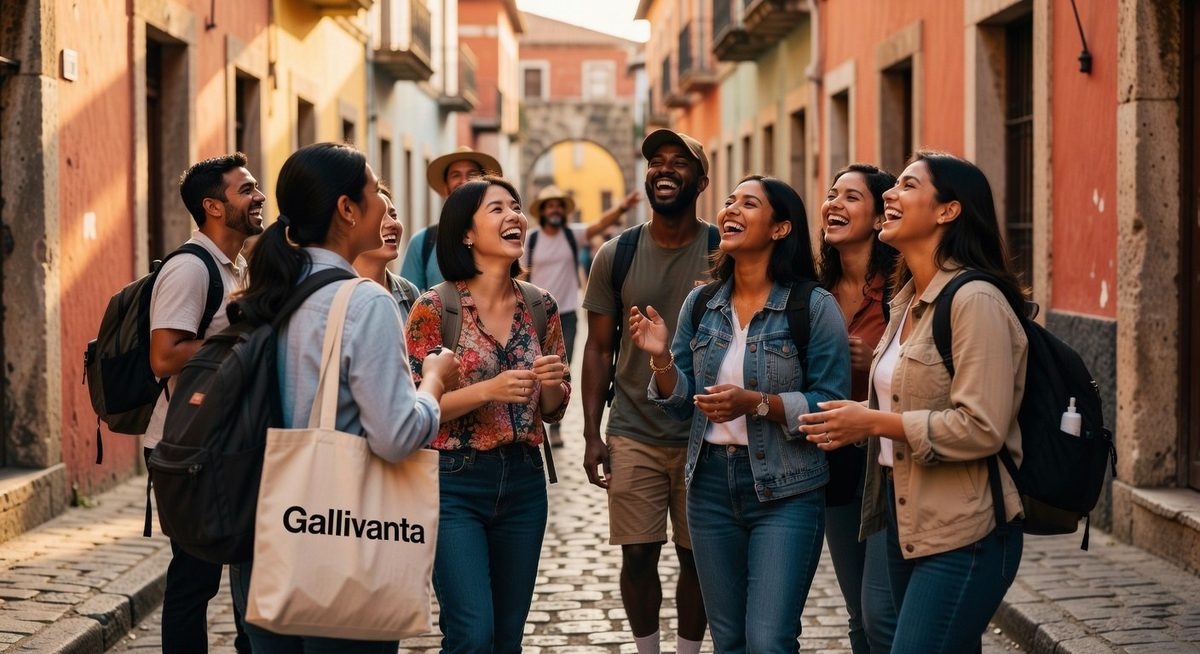
Here are the 11 best solo travel conversation starters to use in real-life travel settings. They are designed for solo travelers, solo female travelers, digital nomads, backpackers, weekend wanderers, and anyone who wants social moments without sacrificing safety or self-respect.
1. “What has surprised you most about this city so far?”
This is better than “How do you like it here?” because it invites a real answer. Surprise can be good, weird, funny, annoying, beautiful, or all five before breakfast. It gives the other traveler room to share personality without needing to tell you their life story.
Use it in: walking tours, cafes, hostel lounges, museum lines, rooftop bars, ferry decks.
Good follow-up: “Would you recommend doing it the way you did, or would you change anything?”
Why it works: It quietly reveals how they travel. Are they curious, negative, observant, flexible, or performative? If they mention a neighborhood, market, viewpoint, or activity you have not tried, you now have a natural reason to ask for details.
2. “I am deciding between two plans today. Which one would you pick?”
This opener is practical and charming because it gives the other person an easy role: local advisor for ten seconds. Offer two specific options. “Museum or food market?” works. “What should I do with my life and this entire afternoon?” is less elegant.
Use it in: coffee shops, coworking spaces, hotel breakfasts, group tour meetup points.
Good follow-up: “That was my instinct too. If it turns out brilliant, I am giving you full credit.”
Why it works: People like giving low-stakes recommendations. It also avoids the awkwardness of walking up with pure social intent. You have a real travel decision and a natural reason to talk.
I have used this one in Bangkok when choosing between a canal boat ride and a night market. The answer turned into a group plan with two other travelers, which is the dream version. The non-dream version is still useful: you get a recommendation and move on.
3. “What is one thing here that was actually worth the hype?”
Travelers love this question because everyone has opinions about hype. It skips generic itinerary talk and goes straight to taste. Maybe they say the famous viewpoint was magical. Maybe they say the viral cafe was a crime against eggs. Either way, you learn something.
Use it in: brunch spots, popular landmarks, tourist neighborhoods, airport gates.
Good follow-up: “And what would you tell people to skip?”
Why it works: It creates playful agreement or friendly disagreement. Both are useful. Chemistry often shows up in the way someone explains a preference.
4. “Are you more of a sunrise person or a stay-out-late person when you travel?”
This is one of the cleanest compatibility questions for travel dating. It sounds light, but it reveals pace, energy, nightlife comfort, and date-style alignment.
Use it in: bars, hostel common areas, beach towns, adventure-tour groups, app chats.
Good follow-up: “So your perfect travel day starts with coffee or ends with cocktails?”
Why it works: It helps you avoid mismatched plans. If you are a slow morning cafe person and they are a 5 a.m. summit person, that does not mean no spark. It means plan accordingly.
This is especially useful if you use a travel dating app because you can bring the same question into pre-meetup chat before committing to an in-person plan.
5. “What is your best small win from this trip?”
A small win can be finding the right bus, ordering in another language, making a new friend, booking a last-minute room, or simply not crying at the train station. Travel humbles everyone. This opener lets people share pride without needing to brag.
Use it in: transit, laundromats, coworking spaces, language exchanges, casual dinners.
Good follow-up: “That is a legitimate win. Mine was figuring out the metro without accidentally entering a parallel universe.”
Why it works: Vulnerability arrives in a safe, funny package. You learn what they value and how they handle uncertainty.
6. “If you had one extra day here, how would you spend it?”
This question is gold because it turns recommendations into desire. People reveal what they wish they had prioritized. Hidden neighborhood? Beach day? Long lunch? Day trip? Jazz bar? You get itinerary insight and emotional texture.
Use it in: departure lounges, final-night hostel chats, train stations, checkout lines.
Good follow-up: “That sounds like the kind of plan that deserves company.”
Why it works: It can naturally become an invitation if the vibe is good and timing lines up.
7. “What has been your most unexpectedly social travel moment?”
This one is ideal for meeting travelers who already seem open and relaxed. It asks for a story, so save it for contexts where a longer answer makes sense. Do not use it on someone wearing headphones and sprinting toward a gate.
Use it in: group dinners, hostel lounges, bar seating, volunteer meetups, walking-tour breaks.
Good follow-up: “That is exactly the kind of random plot twist I travel for.”
Why it works: It lets people talk about connection without putting romantic pressure on the current interaction. If they light up, you have a strong signal.
If your main goal is finding people whose routes overlap with yours, Gallivanta’s meet travelers page is built around that exact problem: connection based on where you are going, not just where you live.
8. “What is your travel style: plan it all, wing it all, or pretend to plan and then wing it?”
This is playful, useful, and very revealing. It works because the third option gets a laugh from people who own a spreadsheet but still miss trains.
Use it in: app chats, group tours, coworking spaces, brunch counters, hostel kitchens.
Good follow-up: “I respect the chaos. I also fear it slightly.”
Why it works: Travel style is compatibility. Planners and improvisers can work beautifully together if they know the dynamic upfront. Planners bring reservations. Wingers bring magic. Both need patience.
9. “Have you found a place here that feels easy to be alone?”
This one is more reflective. It is excellent for solo travelers because it honors the solo part, not just the meeting-people part. Some travelers want connection every minute. Others need quiet corners to recharge before they can flirt like functioning humans.
Use it in: bookstores, quiet cafes, parks, museums, scenic viewpoints.
Good follow-up: “That sounds perfect. I collect places where no one expects me to be impressive.”
Why it works: It creates depth without oversharing. It also signals emotional intelligence, which is wildly underrated in travel dating.
This pairs well with Gallivanta’s angle on solo travel dating: meet people, yes, but do it from a place of independence rather than neediness.
10. “What is one food or drink I should not leave without trying?”
Food is the great social shortcut. It gives you a recommendation, a sensory story, and sometimes a spontaneous plan. Keep it simple and specific.
Use it in: markets, cafes, street-food areas, wine bars, breakfast rooms, cooking classes.
Loving Trips Like These? Don't Explore Them Alone.
Real Gallivanta members are planning trips like these right now. Join the community and turn your solo travel dreams into shared adventures.
Join Gallivanta FreeGood follow-up: “That sounds dangerously persuasive. Is it a solo mission or better with company?”
Why it works: It can move smoothly into a shared experience, especially in food cities. Just keep the invitation casual and public.
11. “What is your next stop after this?”
This classic works best after some rapport exists. Lead with more interesting questions first, then use this to test route overlap. If you ask it too early, it can feel transactional. If you ask it after a laugh, it feels natural.
Use it in: hostels, backpacker towns, coworking spaces, ferries, train rides, multi-city trips.
Good follow-up: “I am heading that direction too. Want to swap notes before we both pretend we have our logistics under control?”
Why it works: Route overlap is the travel-dating cheat code. You do not need forever. You need honest expectations and a shared window.
How to Turn Small Talk Into Plans
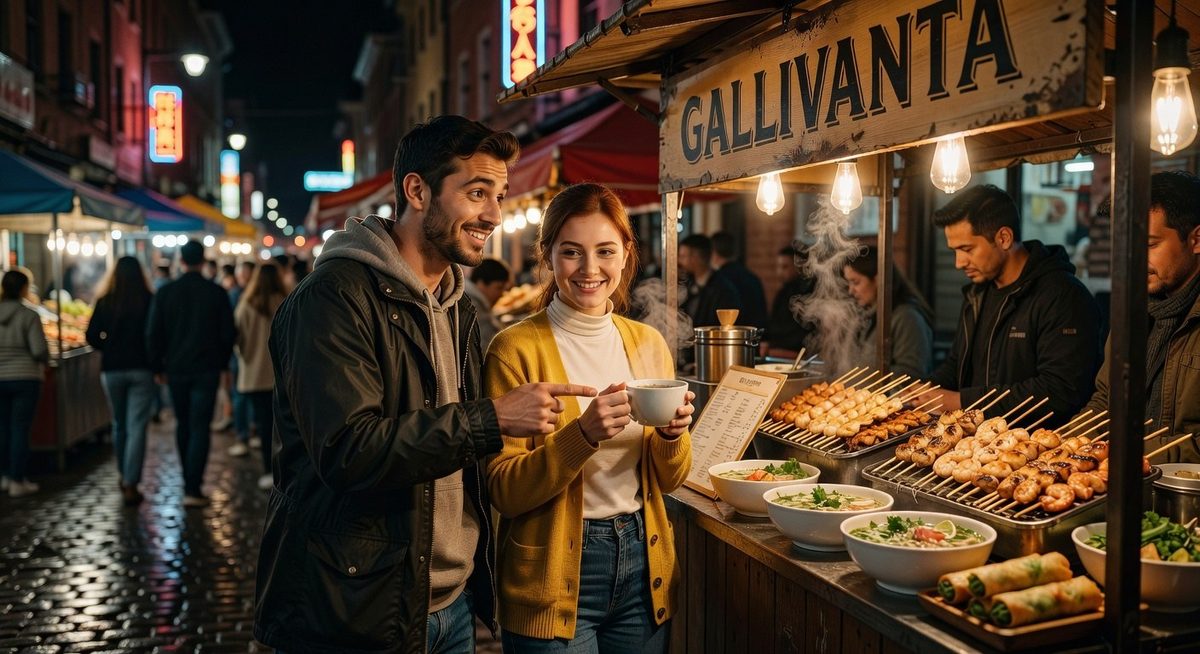
The best solo travel conversation starters are only step one. The real skill is moving from a nice chat to a plan without making the other person feel cornered.
Use the three-beat method:
- Context: “You mentioned the night market is worth it.”
- Soft invitation: “I was thinking of checking it out around seven.”
- Easy exit: “No pressure if you already have plans, but you are welcome to join.”
That last sentence matters. It keeps the invitation confident but not clingy. It also protects your own energy. If someone says no, you still have a plan. That is attractive because it is self-contained.
Good travel invitations are public, specific, and low-stakes. “Want to grab a coffee after the walking tour?” is safer and smoother than “Want to spend the whole day together with no escape hatch?” Start small. Let the vibe earn more time.
If you are using apps, keep the same rule. Suggest public plans that match travel rhythm: a morning coffee before sightseeing, a museum hour, a sunset viewpoint, a food-market lap, or a group-friendly event. Our guide to Gallivanta vs traditional dating apps explains why travel-first matching needs different expectations from swipe apps built around hometown dating.
Safety Tips for Meeting Travelers
Meeting travelers can be magical. It can also move quickly, which is exactly why safety needs to be built into the plan before the spark starts negotiating with your common sense.
Use these non-negotiables:
- Keep first meetups public, especially if you met through an app or a short travel interaction.
- Tell someone where you are going, even if that someone is a friend back home.
- Use your own transportation whenever possible.
- Avoid sharing your exact accommodation too early.
- Watch how they respond to boundaries. A respectful person does not punish a reasonable no.
- Keep alcohol moderate during first meetups, especially in unfamiliar neighborhoods.
- Check official travel guidance for destination-specific safety context through the U.S. Department of State travel site and health planning through CDC Travelers’ Health.
- If the conversation started online, stay alert to money requests, urgency, and emotional manipulation. The FTC romance scam guidance is worth reading before you assume charm equals trust.
I once left a promising rooftop conversation early because the person kept pushing for a second location after I said I wanted to stay nearby. Nothing dramatic happened. That is the point. A clean exit before the vibe gets weird is not rude. It is good travel hygiene.
Gallivanta’s safety-first lens is also why our solo travel safety guide for women should sit beside any article about meeting new people. Fun and caution are not enemies. They are travel partners with different shoes.
Where to Use These Openers
Different travel settings need different energy. A line that works beautifully at a hostel dinner might feel intrusive in a silent museum room. Read the room first, then choose the opener.
Cafes and breakfast rooms
Best opener: “I am deciding between two plans today. Which one would you pick?”
Why: Morning conversations should be gentle. People are often half-awake, charging devices, or trying to remember which currency they are using. Ask something useful and let them decide how social they feel.
Walking tours and group activities
Best opener: “What has surprised you most about this city so far?”
Why: You already share context, so the conversation feels natural. Tours also create built-in pauses where short chats do not feel random.
Coworking spaces
Best opener: “What is your travel style: plan it all, wing it all, or pretend to plan and then wing it?”
Why: Coworking travelers often have routines and opinions. Keep it light, and do not interrupt someone deep in laptop battle.
Transit
Best opener: “If you had one extra day here, how would you spend it?”
Why: Transit conversations work best when they acknowledge movement. Keep it contained and avoid prying too quickly about accommodation or exact route details.
Bars and social dinners
Best opener: “Are you more of a sunrise person or a stay-out-late person when you travel?”
Why: It is flirtier without being explicit. It also helps you understand whether a late-night plan makes sense.
Apps and pre-meetup chat
Best opener: “What is one thing here that was actually worth the hype?”
Why: It is more interesting than “Hey” and easier to answer than “Tell me about yourself.” It also leads toward public plans.
Conversation Green Flags and Red Flags
A good travel conversation should feel balanced. You ask, they answer, they ask back, and the rhythm starts to breathe. If you are doing all the emotional labor, that is information.
Green flags:
- They ask questions back.
- They respect time limits and plans.
- They suggest public, reasonable meetups.
- They talk about travel with curiosity, not contempt.
- They can disagree playfully without turning rude.
- They do not pressure you for private details.
Red flags:
- They push for your hotel or room number too soon.
- They mock your boundaries as “paranoid” or “boring.”
- They turn every topic sexual before trust exists.
- They pressure you to leave a public place quickly.
- They ask for money, favors, documents, or strange logistics.
- They create urgency that makes you feel rushed.
The right person does not need you to lower your standards to prove you are fun. The right travel spark makes your trip feel bigger, not smaller.
Scripts for Graceful Exits
You do not need a dramatic reason to end a conversation. Here are clean exit lines:
- “It was lovely chatting. I am going to wander before I lose the light.”
- “I am going to rejoin my plan for the day, but enjoy the market.”
- “I need a solo reset, but I hope the rest of your trip is brilliant.”
- “I am not up for changing locations, but it was nice meeting you.”
- “I am going to call it a night. Safe travels.”
Short is kind. Overexplaining invites negotiation. If someone cannot accept a polite exit, that confirms the exit was correct.
A Simple Follow-Up Formula
If the chat went well and you want to stay connected, do not overcomplicate it. Use this formula:
“Loved swapping notes about [specific thing]. I am doing [public plan] around [time]. If you want to join, message me. If not, safe travels and steal the good pastries.”
Specificity keeps it human. The easy out keeps it respectful. Humor keeps it from feeling like a calendar invite from a bank.
If you are building a broader social trip, read best cities for travel dating for destination ideas where social infrastructure, walkability, and traveler density make spontaneous connection easier.
Common Mistakes to Avoid
The biggest mistake is treating every conversation like it has to become something. Some travel moments are meant to be five minutes long. That does not make them failures. It makes them part of the texture of the trip.
Avoid these traps:
- Asking overly personal questions too soon.
- Using pickup lines that could work in any city, on any person, at any time.
- Mistaking politeness for romantic interest.
- Ignoring headphones, closed body language, or someone clearly working.
- Turning a recommendation into pressure.
- Making the other person manage your loneliness.
Travel confidence is not forcing connection. It is creating openings, accepting outcomes, and still having a gorgeous day either way.
Lead Magnet Idea for This Article
Create a downloadable “Gallivanta Travel Conversation Cards” PDF with 30 openers sorted by setting: cafe, hostel, tour, transit, app chat, nightlife, and quiet daytime spaces. Include a one-page safety checklist and three soft-invitation scripts. This would make a strong email capture for readers who want practical social confidence before a trip.
FAQ
What are the best solo travel conversation starters?
The best solo travel conversation starters are specific, low-pressure questions tied to the shared travel context. Ask what surprised someone about the city, what was worth the hype, which plan they would pick, or what their best small win has been. These questions feel natural and leave room for easy exits.
How do I start a conversation while traveling alone without being awkward?
Use the environment as your reason. Ask for a recommendation, compare two plans, comment on a shared tour moment, or ask about something nearby. Keep your opener short, smile if it feels natural, and give the other person space to answer briefly or continue.
Are solo travel conversation starters useful for dating?
Yes, solo travel conversation starters are useful for dating because they reveal travel style, timing, curiosity, and comfort with public plans. The best ones do not force romance. They create a friendly opening, then let chemistry and mutual interest decide whether the moment becomes a date.
What should I avoid asking travelers I just met?
Avoid asking for hotel details, room numbers, exact solo plans, finances, relationship history, or private logistics too early. Also avoid intense questions that require emotional labor from a stranger. Start with travel context, then build trust if the conversation naturally continues.
How can Gallivanta help me meet travelers safely?
Gallivanta is built for travel-first connection, so the context starts with where people are going and what kind of adventure they want. Explore the travel dating app, learn more about solo travel dating, or use Gallivanta to meet travelers whose routes and energy actually match yours.
Final Takeaway
The best solo travel conversation starters do not make you someone else. They make the first five seconds easier, which is usually the only part that feels impossible. Ask something useful. Keep it human. Let the other person breathe. If there is a spark, invite it into a simple public plan. If there is not, you still practiced being open to the world, and that is part of the adventure.
Adventure first. Sparks welcome.
Ready to Meet Your Next Travel Date?
You've got the destination, the vibe, and the courage to go solo. Now all you need is someone who gets it. Join Gallivanta and meet fellow travelers who believe the best chapters start with a one-way ticket.
Join Gallivanta Free