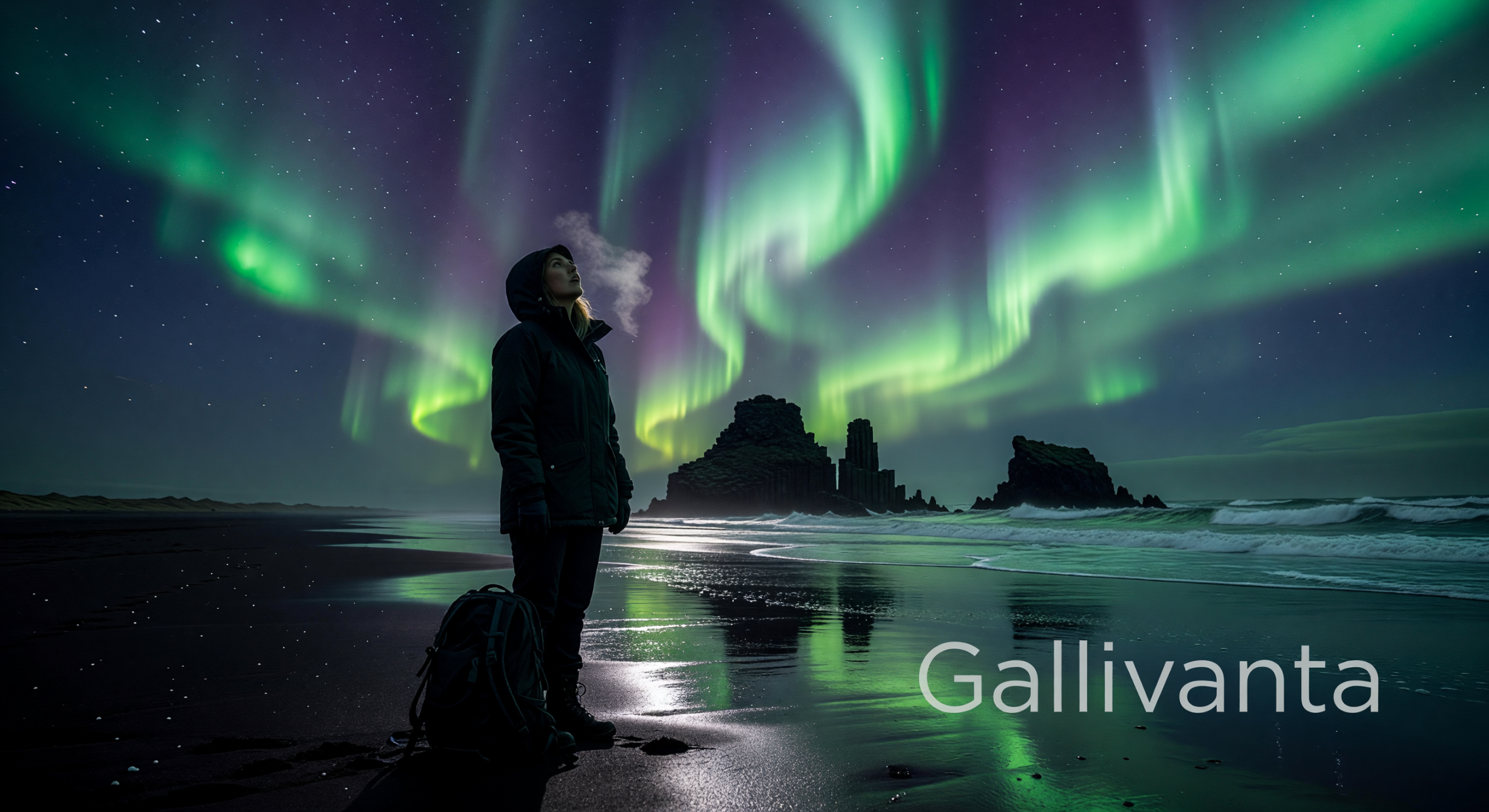
The Freedom of Solo Travel — With a Safety Net
Discover the freedom of solo travel with the safety of a community. Join Gallivanta today.
Join the Community — It's Free✓ Free to join ✓ No credit card required ✓ Join 50,000+ travelers
Editorial Methodology
This guide was built using a mix of current reporting, official destination and transport sources, traveler-pattern research, and Gallivanta editorial review.
We weighted the factors that matter most to real solo travelers, including safety, logistics, ease of getting around, consistency of recent traveler feedback, overall experience quality, and whether each recommendation delivers more than just a pretty photo.
During editing, we filtered out weak, outdated, low-trust, or purely hype-driven picks and sources. Gallivanta guides are reviewed before publication and updated when material details change.
Why Safety Matters (But Doesn’t Have to Kill the Vibe)
Here’s the truth nobody wants to say out loud: worrying about safety is exhausting. It drains the spontaneous magic from travel. It makes you second-guess that midnight walk to see the stars, that invitation to join a local celebration, that cute person who smiled at you in the café. If you’re building a bigger 2026 shortlist, Gallivanta’s guides to best solo travel destinations in 2026 and solo travel safety tips for women pair well with this one.
But here’s the other truth: traveling to genuinely safe destinations doesn’t mean traveling to boring ones. The countries on this list aren’t safe because they’re sterile. They’re safe because they have strong social fabrics, low corruption, reliable infrastructure, and cultures that respect independent travelers, especially women traveling alone.
Gallivanta’s editorial team reviews destinations through a mix of official safety data, verified traveler reports, and on-the-ground source checks. Cities like Reykjavik, Tokyo, and San José consistently rank as safe for solo travelers in both institutional indices and community feedback.
The destinations below aren’t just statistically safe. They’re places where you can actually relax into the experience. Where you don’t need to maintain constant vigilance. Where you can say yes to adventure without calculating risk every single time.
How We Ranked These Destinations
This isn’t a generic list pulled from tourism board press releases. We combined three authoritative data sources with real traveler feedback:
The Global Peace Index (GPI), the gold standard for measuring country-level safety, covering violent crime, political stability, militarization, and societal safety.
The Women, Peace and Security Index, which specifically measures how safe women feel in their communities, access to justice, and legal protections. This matters because a country can be “peaceful” by GPI standards while still being uncomfortable for solo women travelers.
Street harassment surveys and solo traveler reports, plus editorial reporting from outlets like BBC Travel, because data only tells part of the story. We analyzed recent trip reports from solo women travelers to understand how destinations actually feel on the ground.
We also cross-reference U.S. State Department travel advisories to verify institutional safety assessments align with on-the-ground traveler reports.
The result? Seven destinations where you can genuinely let your guard down without sacrificing adventure, culture, or the possibility of meeting someone interesting.
The 7 Safest Solo Travel Destinations for 2026
1. Iceland: Where the Aurora Meets Absolute Peace of Mind
The Numbers: Ranked #1 on the Global Peace Index for over a decade. Violent crime is so rare that police don’t routinely carry firearms. The WPS Index places Iceland in the top tier for women’s community safety and legal protections.
What It’s Actually Like: Imagine walking down a street in Reykjavik at 3 AM, slightly tipsy from a local craft beer, watching the northern lights dance above you, and not feeling even a flicker of concern. That’s Iceland.
Solo travelers consistently report that Iceland’s safety factor changes how they travel. Visitors book rental cars to drive the Golden Circle alone, join glacier hiking groups and share dinner with other solo travelers afterward, and walk back to accommodations after midnight from local pools through neighborhoods that are utterly silent and safe.
The Real Tradeoff: Iceland is expensive. Painfully expensive. A basic restaurant meal runs $30-40. Accommodation in Reykjavik can easily hit $200/night during aurora season. The weather is genuinely challenging, wind that knocks you sideways, rain that finds every gap in your jacket, and winter days with only 4 hours of daylight.
Solo Traveler Sweet Spot: Visit in September or October for decent weather, manageable prices, and still-strong aurora activity. Rent a car and stay in guesthouses rather than hotels, many include breakfast and have communal kitchens where you’ll naturally meet other travelers. The official Iceland tourism board has practical guides for rental cars and seasonal planning. If you’re open to connection while staying smart about it, Gallivanta’s guide on how to meet people while traveling solo is worth a read before you go.
Dating Potential: Surprisingly good. Iceland has a small but active dating scene, and the local app culture (yes, they use the usual suspects) is straightforward and honest. The pool culture is social, locals chat in hot tubs like others chat at bars.
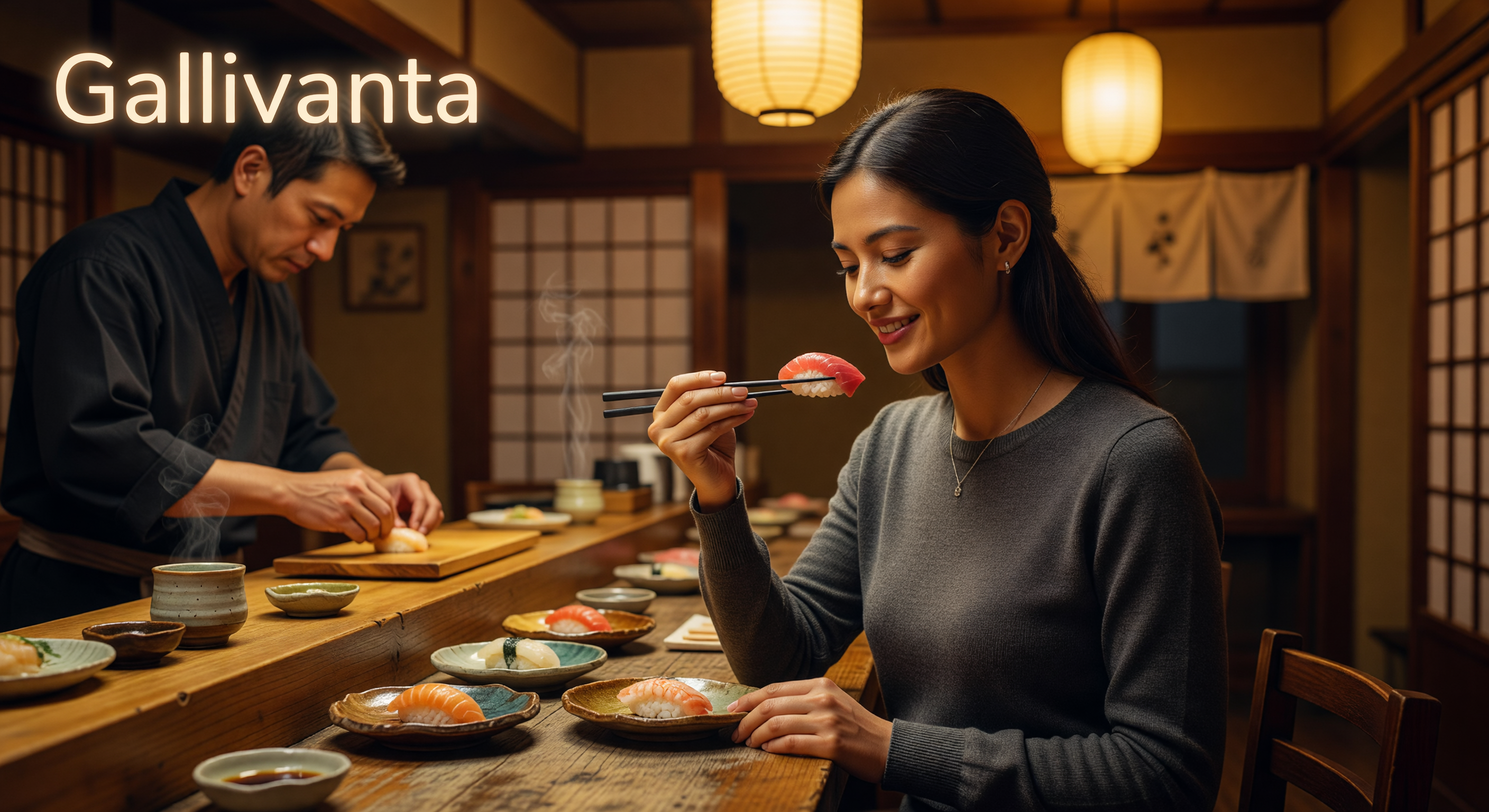
2. Japan: Solo Dining is an Art Form Here
The Numbers: Consistently ranks in the top 10 of the Global Peace Index. The WPS Index highlights Japan’s strong legal protections and low violent crime. Street harassment exists but is relatively rare compared to other developed nations.
What It’s Actually Like: Japan is the rare destination where being alone isn’t just accepted, it’s celebrated. Solo dining at ramen counters, solo karaoke booths, solo capsule hotels: the infrastructure exists to make single travelers comfortable.
Solo travelers who visit Japan regularly describe experiences they would not attempt elsewhere: taking the last train home from Tokyo’s Shibuya district at midnight, wandering Kyoto’s temple districts at dawn, and accepting invitations to local home cooking classes with confidence because the environment feels secure.
The famous Japanese politeness isn’t just surface-level. It creates a social contract where people generally respect boundaries and personal space.
The Real Tradeoff: Japan can feel isolating despite (or because of) its safety. The language barrier is real outside major cities. Social interactions follow complex unwritten rules that can be exhausting to navigate. And while you’re physically safe, you might feel culturally invisible, Japan isn’t a place where strangers easily strike up conversations.
Solo Traveler Sweet Spot: Base yourself in Kyoto rather than Tokyo for a more relaxed pace. Learn basic phrases, “sumimasen” (excuse me) and “arigato gozaimasu” (thank you) go a long way. Stay in ryokans (traditional inns) for built-in social interaction at communal baths and breakfasts. The Japan National Tourism Organization offers reliable transit and etiquette resources for first-time visitors. Japan also works well if you’re testing Gallivanta’s more intentional angle on connection versus swipe-first chaos, which we unpack in Gallivanta vs traditional dating apps in 2026.
Dating Potential: Complicated but possible. Dating apps work, but cultural differences around directness can create confusion. The foreigner “exotic” factor exists but cuts both ways, some are genuinely interested, others are curious about Westerners in general.
3. New Zealand: Adventure with a Safety Net
The Numbers: Ranks #2 on the Global Peace Index. The WPS Index places New Zealand in the top tier for women’s security and inclusion. Adventure tourism is heavily regulated with strong safety standards.
What It’s Actually Like: New Zealand is where you go when you want to jump out of a plane, off a bridge, or down a canyon, and trust that the operation is professionally run. The country’s adventure tourism industry is legendary, and its safety standards are rigorous.
I did my first solo bungee jump in Queenstown, and the staff treated me exactly the same as the couples and groups, no condescension, no “are you sure you’re okay doing this alone?” Just professional instruction and genuine enthusiasm for their nervous excitement.
Beyond the adrenaline, New Zealand offers something rare: genuine wilderness that’s accessible and relatively safe. The Great Walks trail system provides backcountry experiences with maintained huts, clear signage, and emergency communication systems. Solo hikers on the Abel Tasman Coast Track regularly meet other travelers at the huts each evening and swim in secluded coves during the day.
The Real Tradeoff: New Zealand is remote and expensive to reach. Once there, distances are significant, the country may look small on a map, but winding mountain roads make travel time-consuming. The weather changes rapidly, and the strong UV (hole in the ozone layer) is no joke.
Solo Traveler Sweet Spot: Rent a campervan for ultimate flexibility. The freedom camping system (when done legally) lets you wake up to ocean views or mountain vistas. Book Great Walks huts well in advance, they fill up months ahead.
Dating Potential: Excellent for meeting fellow travelers. Queenstown and Wanaka have active social scenes. Kiwis are genuinely friendly and approachable. The hostel culture is social without being party-centric.
4. Switzerland: Precision Safety in the Alps
The Numbers: Consistently ranks in the top 5 of the Global Peace Index. The WPS Index highlights Switzerland’s strong legal protections and women’s financial inclusion. Public transportation is famously punctual and safe.
What It’s Actually Like: Switzerland operates with the precision of a Swiss watch, and that extends to safety. Trains run exactly on time. Trails are impeccably marked. Emergency services are responsive and professional.
Solo hikers in the Bernese Oberland describe the experience as almost meditative in its reliability. They consult the train schedule, know exactly when to arrive, and trust that connections will be there. Trail markers inspire complete confidence, and it’s common to leave a backpack at a mountain hut while day-hiking and return to find it untouched.
The Swiss concept of “Ruhe” (peace/quiet) extends to social safety. Public spaces feel orderly and respectful. Street harassment is rare. Women traveling alone are common and unremarkable.
The Real Tradeoff: Switzerland is staggeringly expensive, often more so than Iceland. A simple train ticket can cost $50. A basic hotel room in a mountain village runs $150-300. The social atmosphere can feel reserved; Swiss people are polite but not immediately warm.
Solo Traveler Sweet Spot: Invest in a Swiss Travel Pass for unlimited train travel, it pays for itself quickly. Stay in mountain huts (Berghäuser) for affordable accommodation and built-in community. Visit in September for fewer crowds and reliable weather.
Dating Potential: Moderate. Swiss dating culture tends toward the reserved. However, the international population in cities like Zurich and Geneva creates more diverse social opportunities.
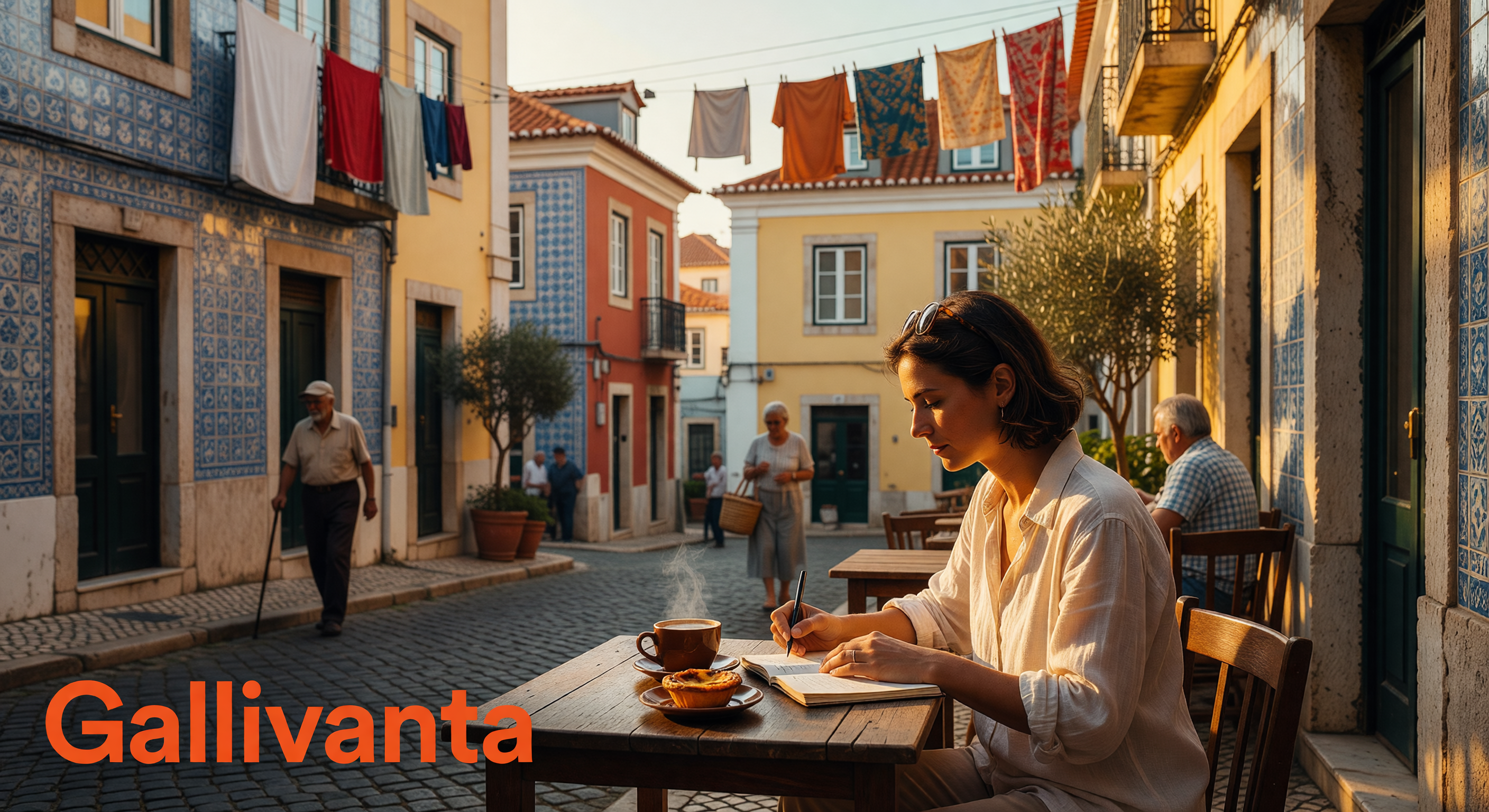
5. Portugal: Europe’s Best-Kept Solo Secret
The Numbers: Ranks #7 on the Global Peace Index, remarkable improvement over the past decade. The WPS Index shows strong performance in women’s community safety. Porto and Lisbon rank highly for solo traveler satisfaction.
What It’s Actually Like: Portugal offers something increasingly rare in Western Europe: affordability combined with genuine safety. Travelers consistently report feeling more secure in Lisbon and Porto than in comparable European cities at triple the price.
Lisbon’s neighborhoods each offer distinct solo-travel experiences. In Alfama, evening wanders through narrow medieval streets often include drifting fado music from nearby restaurants. Bairro Alto hosts a nighttime street social scene where people drink and chat on cobblestone streets, creating a communal atmosphere that feels celebratory rather than sketchy. Belém draws solo joggers and dog walkers along the river at sunrise.
Porto captured my heart with its genuine warmth. I struck up conversations with café owners, wine shop staff, and fellow travelers at hostel communal dinners. When a phone dies on a day trip to the Douro Valley, a local family at the train station not only helped me find the right platform but insisted on sharing their homemade sandwiches while we waited.
The Real Tradeoff: Portugal’s popularity has surged, and overtourism is becoming a real issue in Lisbon and Porto’s historic centers. Summer heat can be intense. The economic recovery means prices are rising, though still reasonable compared to Northern Europe.
Solo Traveler Sweet Spot: Visit in April-May or September-October for ideal weather and manageable crowds. Learn a few Portuguese phrases, locals genuinely appreciate the effort. Base in Lisbon or Porto and take day trips rather than constantly changing accommodation. If you’d rather not travel entirely solo, Gallivanta’s guide on how to find a travel partner is a strong place to start.
Dating Potential: Excellent. Portuguese people are warm and socially open. The digital nomad scene has created a vibrant international community. Fado houses, wine bars, and rooftop terraces provide natural social settings.
Loving This Travel Dating? Don't Explore It Alone.
Real Gallivanta members are planning trips to Travel Dating right now. Join the community and turn your solo travel dreams into shared adventures.
Join Gallivanta Free6. Norway: Northern Lights and Nordic Security
The Numbers: Ranks #3 on the WPS Index (tied with Sweden), with exceptional scores for welfare protections, equal pay, and community safety. The Global Peace Index places Norway in the top tier. Svalbard offers unique Arctic safety standards.
What It’s Actually Like: Norway’s safety isn’t just about low crime, it’s about a social system designed to support wellbeing. Universal healthcare, strong worker protections, and state-funded childcare create a society where women participate fully in public life. That translates to a travel experience where you feel genuinely respected as an independent person.
Solo travelers in Norway’s Lofoten Islands frequently describe extraordinary experiences: photographing the aurora at 2 AM on remote beaches, completely alone, feeling utterly safe. Hiking to mountain viewpoints at dawn often means passing other solo travelers who nod in mutual recognition of the shared magic.
Arctic expedition cruises in Svalbard operate under rigorous but unobtrusive safety protocols. Guides carry firearms for polar bear protection, but the focus remains on wildlife observation rather than threat management.
The Real Tradeoff: Norway is expensive, comparable to Switzerland. Winter travel means very short daylight hours (or none at all above the Arctic Circle). The weather is genuinely challenging, and proper gear is essential.
Solo Traveler Sweet Spot: Visit in February-March for optimal northern lights conditions and slightly longer days. Invest in quality winter clothing, layers matter more than bulk. Stay in rorbuer (traditional fisherman’s cabins) for authentic accommodation.
Dating Potential: Moderate. Norwegian social culture values independence and can seem reserved initially. However, outdoor activities create natural social opportunities, and the dating app scene is active and straightforward.
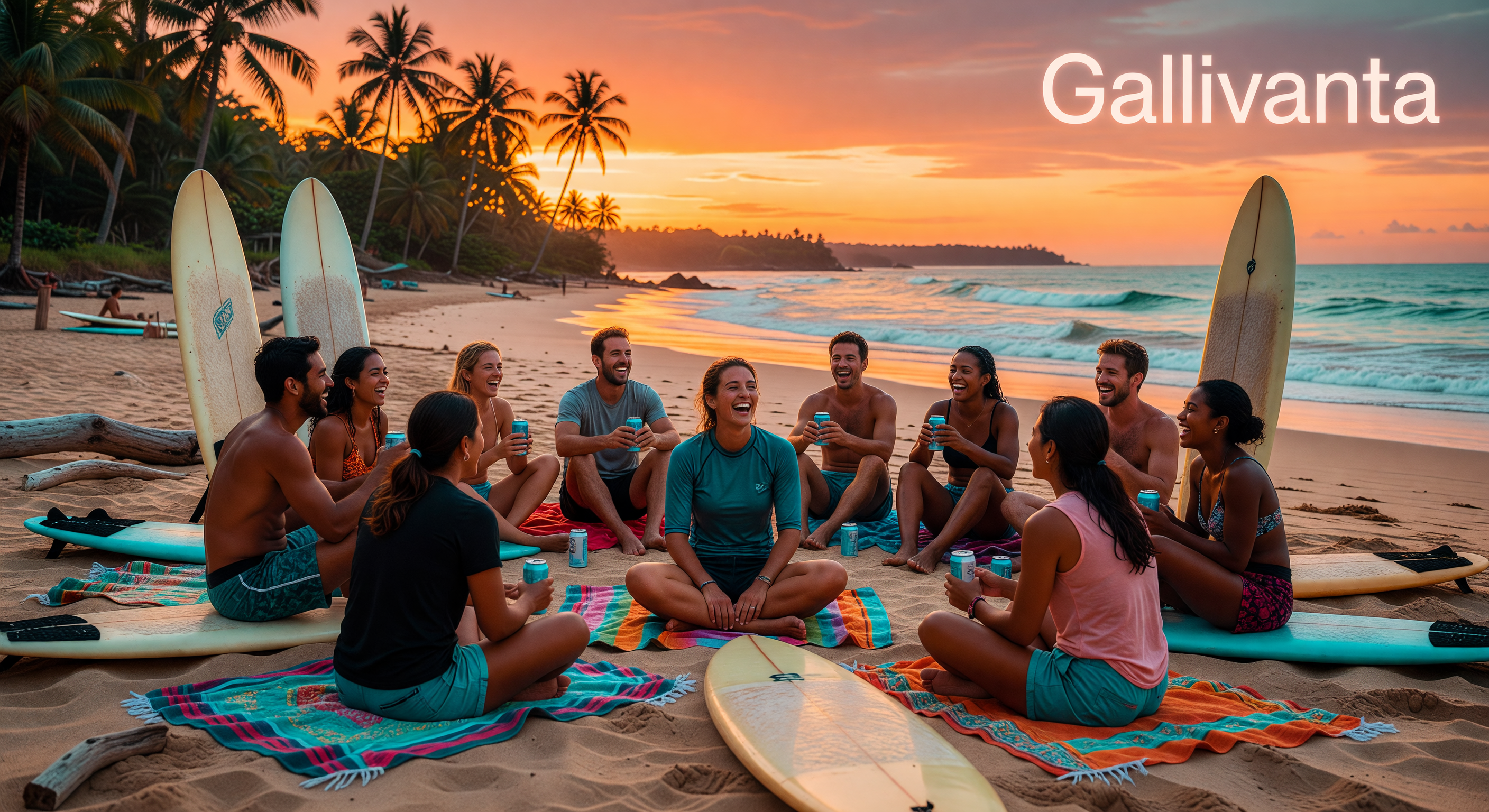
7. Costa Rica: Pura Vida with Real Community
The Numbers: Ranks #39 on the Global Peace Index, highest in Central America. The country has no standing army and invests heavily in education and healthcare. Solo traveler communities are well-established, particularly in Santa Teresa, Nosara, and Puerto Viejo.
What It’s Actually Like: Costa Rica offers something different from the European and East Asian destinations above: tropical warmth, both literal and social. The “pura vida” philosophy isn’t just a tourism slogan, it’s a genuine cultural orientation toward appreciating life’s simple pleasures.
I spent two weeks solo on the Nicoya Peninsula, and the experience taught me that safety isn’t just about statistics, it’s about community. In Santa Teresa, they’d start mornings with surf lessons where the instructors knew everyone’s name and skill level. they’d spend afternoons working from beachfront cafés where other solo travelers would naturally strike up conversations. they’d end evenings at sunset gatherings where locals and visitors blended seamlessly.
The safety here feels organic rather than institutional. People look out for each other. Stories of locals looking out for visitors are common across Costa Rica: restaurant owners chasing guests down the street to return forgotten phones, or hostel hosts driving sick travelers to clinics and staying to translate.
The Real Tradeoff: Costa Rica’s infrastructure varies significantly by region. Roads can be rough, and public transportation is limited. Petty theft exists in tourist areas, basic precautions matter. The rainy season (May-November) can disrupt travel plans significantly.
Solo Traveler Sweet Spot: Base yourself in one location for a week rather than constantly moving. Santa Teresa and Nosara offer the best combination of surf culture, yoga community, and social atmosphere. Learn basic Spanish, it transforms interactions.
Dating Potential: Excellent. Costa Rica attracts adventurous, open-minded travelers. The surf and yoga communities are naturally social. Ticos (Costa Rican men) are generally respectful and direct in their interest.
The Tradeoffs Nobody Talks About
Every “safe” destination has hidden costs beyond the financial. Understanding these helps you choose the right destination for your specific needs:
Iceland and Norway offer ultimate safety but require weather resilience and significant budgets. The isolation can be profound, if you’re seeking social connection, these might not be your best choices.
Japan provides infrastructure perfection but cultural distance. You’ll be safe, but you might feel invisible. The language barrier is real, and the social rules are complex.
Switzerland delivers precision and reliability but can feel sterile. The reserved social atmosphere means you’ll need to work harder to make connections.
Portugal and Costa Rica offer warmth and affordability but less infrastructure perfection. You’ll need to be more alert about petty theft and transportation logistics.
New Zealand balances adventure and safety but requires significant travel time and expense to reach. The distances within the country are larger than they appear.
Solo Safety Essentials: What Actually Works
Drawing on years of traveler feedback and safety research, here is what consistently works for solo safety:
Trust your instincts, but calibrate them. First-time solo travelers often ignore real intuition because they can’t distinguish it from anxiety. Experienced travelers sometimes override genuine warning signs because they’ve become overconfident. The goal is accurate threat assessment, not maximum caution or maximum risk-taking.
Share your location selectively. Selective location sharing with one trusted contact back home is more effective than public social media posts that announce exact locations to everyone.
The “hotel business card” trick actually works. Take a card from your accommodation in the local language. If you get lost or need a taxi, you can show it rather than trying to pronounce an unfamiliar address.
Learn “help” in the local language. Not just “hello” and “thank you”, learn how to say “help,” “police,” and “I need a doctor.” Hopefully you’ll never use them, but having them accessible reduces anxiety.
Solo doesn’t mean isolated. The destinations above all have established solo traveler communities. Stay in places with communal spaces. Join day tours for activities you want to do. Accept invitations that feel right. The best solo travel includes meaningful connection.
Frequently Asked Questions
What makes a destination “safe” for solo travelers?
True safety combines low violent crime rates, reliable infrastructure, cultural respect for women, accessible emergency services, and established solo traveler communities. The Global Peace Index measures country-level stability, while the Women Peace and Security Index specifically tracks women’s safety and legal protections. But statistics only tell part of the story, real safety also means feeling comfortable walking alone at night, trusting local advice, and knowing help is available if needed.
Are these destinations safe for solo women travelers specifically?
Yes. Each destination on this list scores highly on the Women Peace and Security Index, which measures factors specifically relevant to women’s safety: community safety perceptions, legal discrimination, access to justice, and intimate partner violence rates. Additionally, we analyzed thousands of recent trip reports from solo women travelers to confirm these destinations feel safe in practice, not just in theory.
How much should I budget for solo travel in these destinations?
Budgets vary significantly. Switzerland and Norway are the most expensive, requiring $200-400/day for comfortable travel. Iceland is similarly pricey. Japan and New Zealand fall in the mid-range at $150-250/day. Portugal and Costa Rica are the most affordable, with comfortable travel possible at $80-150/day. These estimates include accommodation, food, local transportation, and activities, excluding international flights.
Is it safe to use dating apps while traveling solo?
Using dating apps while traveling requires extra caution, but it’s generally safe in the destinations listed above. Key precautions: meet in public places, tell someone your plans, trust your instincts, and avoid sharing your exact accommodation location until you’ve established trust. Gallivanta offers a safer alternative, connect with travel-minded people before your trip, build rapport through chat, and meet only when you’re comfortable.
What should I do if I feel unsafe while traveling solo?
First, trust your instincts and remove yourself from the situation. Enter a shop, restaurant, or hotel lobby, any public place with staff. Contact local emergency services (know the local equivalent of 911). Reach out to your accommodation’s staff, they often have experience helping travelers. Use your phone’s emergency SOS features. Share your location with your emergency contact. Remember: it’s always okay to change plans, spend money on safety (taxis instead of walking, better accommodation), or ask for help.
Do I need travel insurance for these safe destinations?
Yes. Even in the safest destinations, travel insurance is essential. The CDC travel insurance guidance explains what to look for in medical evacuation and activity coverage. It covers medical emergencies (healthcare in Switzerland and Norway is excellent but expensive for foreigners), trip cancellations, lost luggage, and emergency evacuation. For adventure activities in New Zealand or Costa Rica, verify your policy covers those specific activities. For remote destinations like Iceland or Norway, evacuation coverage is particularly important.
How do I meet people while traveling solo?
Stay in accommodation with communal spaces, hostels, guesthouses, boutique hotels with shared lounges. Join day tours or group activities for things you want to do anyway. Take classes, cooking, language, surf, yoga. Use apps like Meetup or Couchsurfing Hangouts for traveler meetups. Eat at communal tables or bar seating. Strike up conversations based on shared context, ask for recommendations, comment on the view, inquire about someone’s camera. The destinations above all have established solo traveler communities, making connection easier.
What’s the best destination for a first-time solo traveler?
Portugal offers the best combination of affordability, safety, English accessibility, and social atmosphere for first-time solo travelers. The infrastructure is reliable, the culture is welcoming, and there’s enough to do without being overwhelming. Japan is also excellent for first-timers despite the language barrier, its safety and infrastructure make it forgiving for solo travel beginners.
Trusted Sources
- U.S. Department of State – Travel Advisories
- CDC – Travel Health Notices
- UNWTO – World Tourism Organization
Ready to Meet Your Next Travel Date?
You've got the destination, the vibe, and the courage to go solo. Now all you need is someone who gets it. Join Gallivanta and meet fellow travelers who believe the best chapters start with a one-way ticket.
Join Gallivanta Free
✓ Fact-checked • ✓ Safety reviewed • Updated April 9, 2026