
Your Next Adventure Could Change Everything
Join thousands of adventurous women who've discovered that the best travel stories often include a plot twist.
Start Your Adventure – Join Free
✓ Free to join ✓ No credit card required ✓ Join 50,000+ travelers
A public-first travel date works best when it respects the real shape of arrival day: tired bodies, unknown neighborhoods, limited data, luggage, check-in windows, and a route that still belongs to you. The point is not to make a date feel clinical. It is to keep the adventure first, sparks welcome, and traveler control intact while you decide whether the person in front of you fits your timing, intent, and next move. A good public-first travel date gives chemistry a place to happen without making your accommodation, transport, budget, or safety depend on a stranger.
This is especially useful for solo travelers, digital nomads, backpackers, and route-flexible travelers who often land in a city before they can access a room. Maybe you arrive in Lisbon at 10:40, cannot check in until 15:00, and have a match who wants to meet “somewhere central.” Maybe your hostel in Barcelona stores bags but sits far from the old town. Maybe a remote-work friend of a friend in Bangkok suggests drinks, but you still need a SIM, cash, and a quiet first night. The practical answer is not “never meet.” The practical answer is to design the meetup around public places, visible exits, known transit, and an honest time boundary.
- → Why a public-first travel date starts before check-in
- → Build the public-first travel date around your arrival window
- → Choose a neighborhood that protects the rest of your day
- → Phone, data, check-in, and transit realities
- → Women and higher-risk travelers need a stronger public-first frame
- → Scripts for setting the public-first travel date without killing the spark
- → A public-first travel date checklist for 2026
- → FAQ: Public-first travel date before check-in
Why a public-first travel date starts before check-in
The hours before check-in look casual from the outside, but they are usually the most fragile hours of a travel day. You may not know whether your bag storage is real, whether the metro station has elevators, whether your phone plan will roam, whether your room is ready, or whether your energy will collapse after a red-eye flight. A public-first travel date acknowledges that reality. It gives the meetup a clear container before a stranger can accidentally become the plan.
Gallivanta’s approach is travel-first connection. Adventure first means your route, rest, budget, and curiosity still lead. Sparks welcome means you leave room for attraction, laughter, and a second plan if the first meeting feels good. Traveler control means the first date is designed around public space, route awareness, timing, and intent instead of pressure, improvisation, or a private address. If you want to meet travelers with clearer trip context, Gallivanta’s travel dating app is built around that kind of practical alignment.
The strongest public-first travel date has three promises. First, you can arrive without revealing where you sleep. Second, you can leave without negotiating. Third, you can continue the day even if the date is disappointing, delayed, or unexpectedly great. That third point matters. A good plan does not only protect you from bad outcomes. It also protects good chemistry from being rushed into an awkward second location simply because you had no better option.
Illustrative scenario: Maya, 29, lands in Lisbon on a morning flight and matches with someone who suggests meeting near Cais do Sodre. She has a 15:00 apartment check-in in Arroios, so she chooses a cafe beside a metro stop, stores her bag at the station, and sets a 70-minute coffee window. The conversation is easy, but she still leaves on time, checks in, showers, and then agrees to meet later for a public sunset walk. The decision keeps the spark alive because she does not make her room access, rest, or luggage depend on the date.
Build the public-first travel date around your arrival window
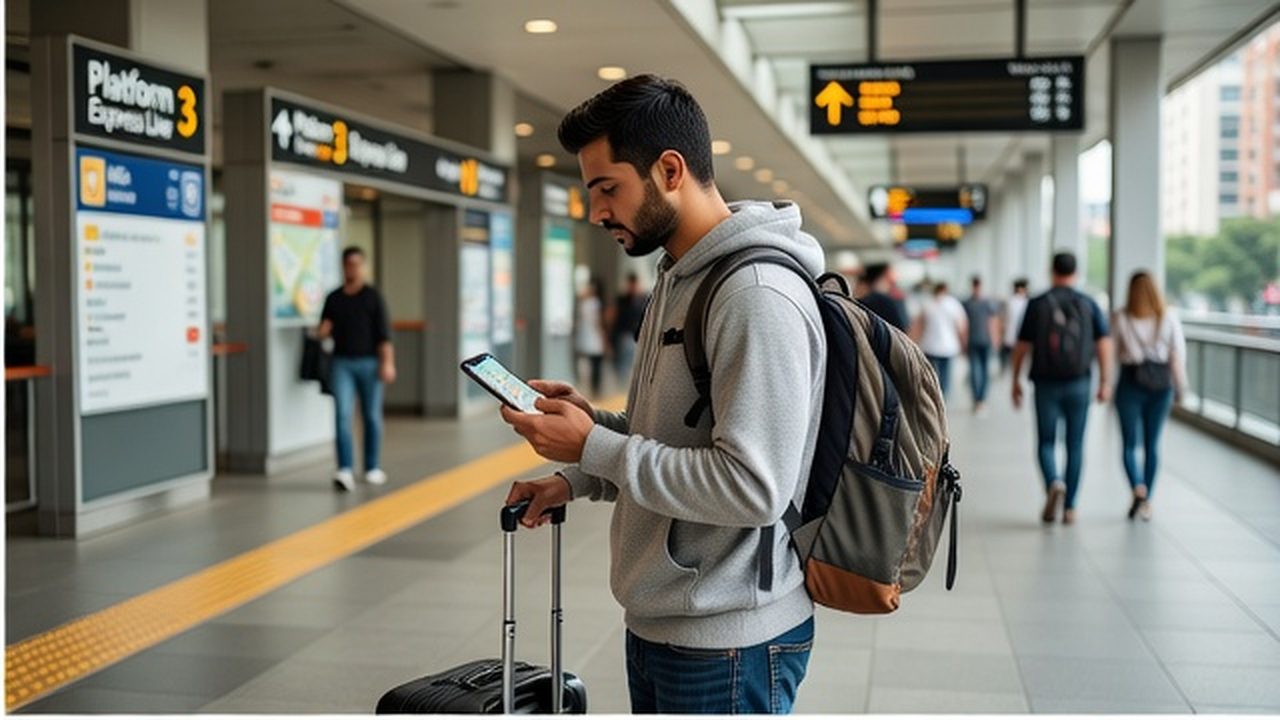
A public-first travel date before check-in should start with the fixed parts of the day, not the match’s preferred fantasy. Write down your landing or arrival time, the earliest accommodation check-in, the last easy transit option, and the time you need for food, water, cash, SIM or eSIM setup, and a short reset. Then place the date inside the leftover window with a visible end. If the leftover window is only 45 minutes, say that. If you need two hours to cross the city with luggage, protect those two hours.
Arrival timing creates different date formats. If you arrive early and feel alert, choose coffee, a market snack, a museum lobby, a bookstore cafe, or a daylight walk through a busy plaza. If you arrive midafternoon, choose a short public stop near your accommodation transit line rather than a long meal across town. If you arrive after dark, the smarter move is often to check in first and push the date to the next morning. Late-night first meetings can be fun, but they remove too many public-first advantages when you are tired, carrying bags, and still learning the neighborhood.
Budget matters too. Arrival day has hidden costs: airport train, locker fees, rideshare surge, data plan, snacks, tips, and sometimes a surprise city tax at check-in. Do not let a first meeting drift into a dinner you did not budget for because you were too polite to name the plan. “I can do a coffee before check-in” is clear, warm, and easy to accept. It also leaves space for more. If chemistry is real, the other person will not need your whole afternoon to prove it.
Illustrative scenario: Jules, 34, takes the train from Paris to Amsterdam and has a hotel check-in near De Pijp at 16:00. A match proposes drinks in Noord because it looks cool on social media. Jules checks the ferry timing, notices it would turn a simple date into a luggage-heavy crossing, and suggests a public cafe near Vijzelgracht instead. They have 60 minutes, like each other, and plan a proper canal walk two days later. The better decision is not the trendier neighborhood. It is the one that keeps route and timing under control.
Choose a neighborhood that protects the rest of your day
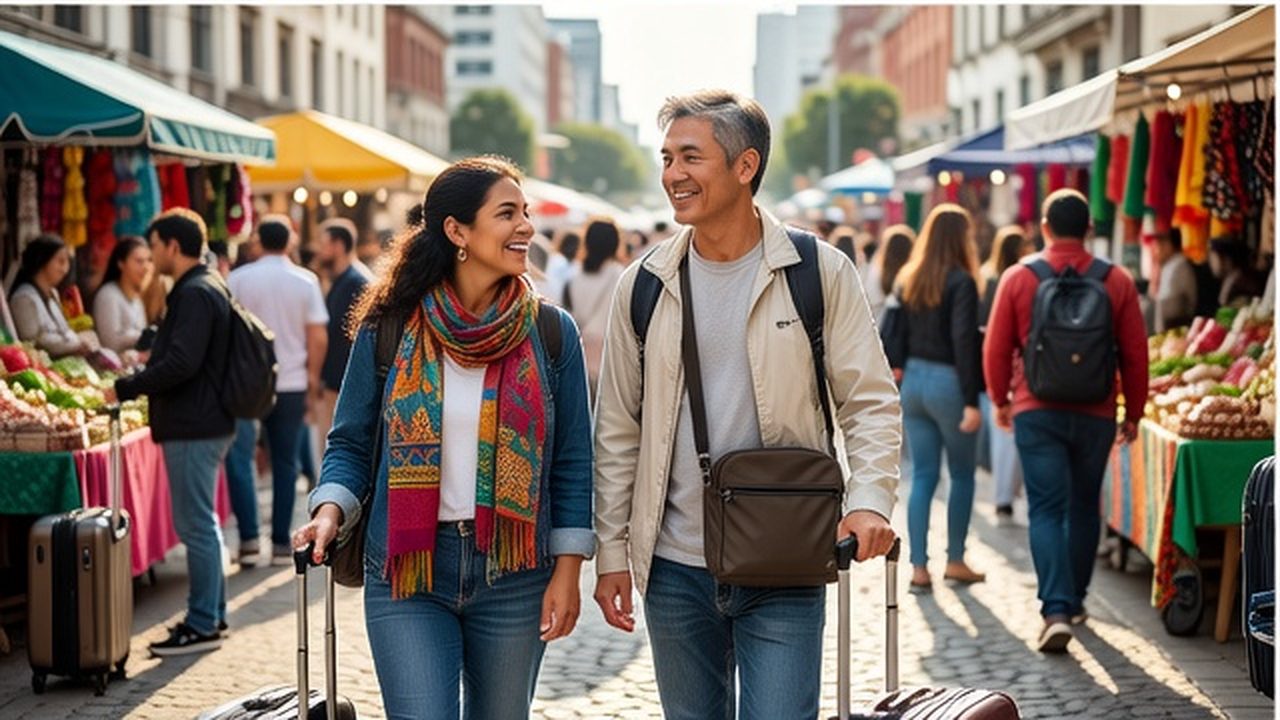
The best neighborhood for a public-first travel date is not always the most romantic neighborhood. It is the one that supports your next move. Look for daylight foot traffic, multiple transit exits, places to sit without committing to a full meal, working bathrooms, and a route back to your hotel, hostel, apartment, or next connection. A central square can be useful, but only if it connects cleanly to the line you need. A famous nightlife street can be exciting, but it may be noisy, expensive, and harder to leave gracefully.
Think in venue types rather than single perfect spots. Good arrival-day venues include station cafes with normal staff presence, museum cafes before closing, market halls, hotel lobby cafes that welcome non-guests, bakery counters with seating, and public waterfront walks that pass frequent exits. Weak first venues include private apartments, cars, remote viewpoints, isolated beaches, members-only clubs, and bars where the first move is already alcohol-centered. The public-first frame is not anti-romance. It simply gives romance a place where your choices remain visible.
Neighborhood selection should also protect your accommodation privacy. You do not need to say, “I am staying three blocks away.” You can say, “I will be in this part of town before check-in, so a quick coffee near the station works.” If the date pushes to meet at your hotel, insists on picking you up, or keeps trying to move the plan somewhere private, treat that as information. A person who understands travel-first connection will respect route and timing context. A person who resents it is not helping you travel well.
This is where pre-trip intent is useful. If you are open to dating while moving through a city, Gallivanta’s solo travel dating guide can help you think about connection without turning the whole trip into a dating itinerary. Pair it with a solo travel dating safety plan and a travel meetup exit strategy when you want the meetup to feel alive without losing your route.
Phone, data, check-in, and transit realities
Phone data is part of the date plan, not an afterthought. Before you meet, confirm that your roaming works or install an eSIM while you are still on reliable Wi-Fi. Save offline maps for the neighborhood and your accommodation route. Screenshot the venue address, transit stop, and accommodation confirmation. Charge your phone and carry a small power bank if you have one. A public-first travel date gets much less public if your phone dies and you are suddenly dependent on the other person for directions.
Check-in realities also deserve respect. Many hostels and hotels will store bags, but not all storage is secure, free, or available before a certain hour. Apartment rentals may have rigid key pickup windows. Some cities require passport checks, city tax payments, or app-based door codes that fail when your data fails. If your accommodation check-in is complicated, do it before the date. If it is simple and bag storage is confirmed, you can meet first, but keep the date short and near your route.
Transit planning should include at least two exits: your normal route and your backup route. The normal route is the metro, tram, bus, walking path, or licensed taxi stand you expect to use. The backup route is what you do if the date runs late, weather changes, transit stops, or you feel uncomfortable. In many cities, official visitor pages and transport guidance are worth checking before arrival. The U.S. State Department’s international travel resources, IATA traveler guidance, and UN Tourism sustainable development guidance are useful authority sources for thinking about documents, transport, and responsible movement.
Illustrative scenario: Leila, 27, arrives in Mexico City with a local SIM that does not activate right away. Her date offers to order a rideshare and take her to a “better” taqueria. Because she has saved the Metrobus route to Roma Norte, she declines the car, picks a busy cafe near her planned transfer, and messages a friend when she arrives and leaves. The date is friendly, but the important outcome is that she keeps independent data, transit, and check-in decisions separate from someone she has just met.
Women and higher-risk travelers need a stronger public-first frame
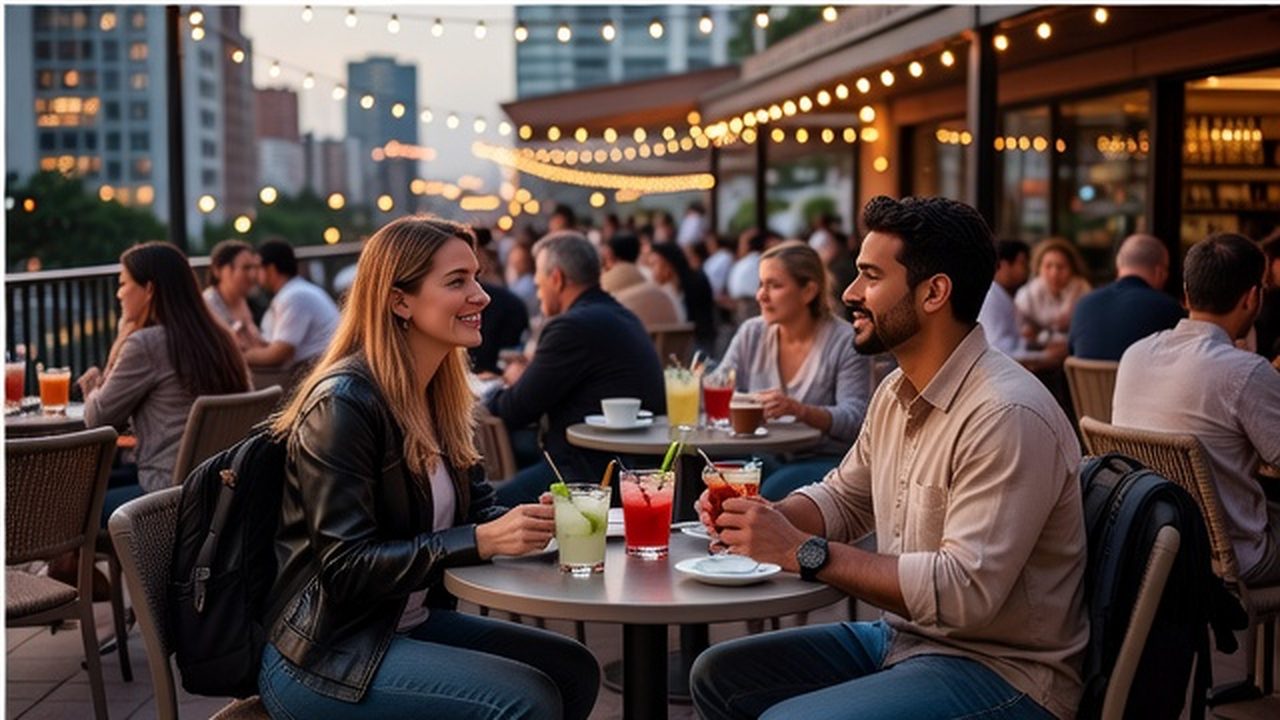
Women, LGBTQ travelers, visibly foreign travelers, disabled travelers, and anyone navigating unfamiliar nightlife or dating norms may need a stronger public-first frame than a lower-risk traveler in a familiar city. That is not pessimism. It is design. If the stakes of being followed, pressured, misread, stranded, or outed are higher for you, the first date should make independence easier at every step.
Use a venue with staff, lighting, and other people. Keep your bag with you or stored somewhere you control. Avoid sharing your room number, apartment building, exact hostel, live location for too long, or onward itinerary with a person you just met. If you use live location with a trusted contact, set a reasonable time window and turn it off afterward. Set a check-in message before the date so you are not composing one while distracted. Choose a first plan that does not rely on alcohol, remote viewpoints, swimming, private transport, or a second location you have not researched.
The public-first travel date script can be direct without sounding guarded. “I keep first travel meetups public and close to my route, especially on arrival day” is enough. The right person will hear that as normal travel literacy. The wrong person may tease, pressure, or try to negotiate. You do not have to win that conversation. You can simply cancel or reshape the plan. If someone refuses a public venue before you have even met, they are helping you make an early decision.
Loving This Travel Dating Safety? Don't Explore It Alone.
Real Gallivanta members are planning trips to Travel Dating Safety right now. Join the community and turn your solo travel dreams into shared adventures.
Join Gallivanta FreeFor official destination risk context, check government travel advisories before arrival and local emergency numbers once you land. For practical health and travel readiness, the International Association for Medical Assistance to Travellers and destination health guidance from public agencies can help you think beyond dating safety into the wider travel day. Safety is not only about the person you meet. It is also about fatigue, medication, weather, mobility, phone access, and how quickly you can get back to a place you control.
Scripts for setting the public-first travel date without killing the spark
Good scripts do two things at once: they make the plan easy to accept and they protect your boundary if the other person pushes. Keep them warm, specific, and logistical. The goal is not to overexplain. The goal is to show that your route, timing, and intent are already real.
Try: “I land late morning and cannot check in until 15:00, so I can do a quick coffee near the blue metro line before I drop my bag. If we click, let’s plan something better after I reset.” This says yes to connection and no to drift. Try: “Arrival day is a little messy for me, so I keep first meetups public and easy to leave. Market coffee at 14:00 works.” This sounds normal because it is normal. Try: “I am up for meeting, but I am not doing private places before check-in. A museum cafe or public terrace is my speed.”
For second-location pressure, use a script that returns to your fixed plan. “I am going to check in now, but I would be happy to continue another day if we still want to.” For alcohol pressure: “I am keeping today light because I just arrived. Coffee or a walk works, drinks do not.” For pickup offers: “Thanks, but I use my own transit on first meetups.” For vague plans: “Send me the exact place and time. If it is easy from my route, I will confirm.”
Illustrative scenario: Samira, 31, has a stopover-style weekend in Copenhagen and matches with a traveler who wants to “see where the night goes.” She wants the spark, but she also has a 09:00 train the next day and a tight budget. She suggests a 17:30 market hall drink, names her 18:45 exit, and keeps her transit card loaded. They laugh for an hour, swap route ideas, and choose brunch the next morning instead of late drinks. Her clarity does not kill the date. It creates a better one.
Keep the public-first travel date connected to Gallivanta’s adventure-first mindset
A public-first travel date is not a defensive mood. It is a travel design choice. You are choosing connection that fits the trip rather than connection that consumes the trip. The best matches will understand that you may be balancing a check-in window, a luggage locker, a co-working call, a border crossing, a hostel dinner, or a morning bus. They will be curious about the adventure, not offended that they are not immediately the center of it.
When you use tools built for travelers, you can make this easier from the start. Put route, timing, and intent context into the conversation early. If you are only free before check-in, say so. If you want a public coffee and then solo time, say so. If you are open to a later date after you rest, say so. Gallivanta is built for people who want travel-first connection, which means the trip remains the frame and the spark has to fit inside it.
A public-first travel date checklist for 2026
Run the checklist while you still have reliable Wi-Fi and enough time to change the plan. Start with the route: save the exact venue, confirm the entrance, and identify the transit stop you will use afterward. Then check the clock: work backward from accommodation check-in, food, medication, work calls, and the last comfortable transit option. If you cannot explain the date in one sentence with a place, start time, and end time, it is still too vague.
Match the plan to the city instead of copying a generic dating routine. A first solo travel date plan can help you choose the right format. Destination guides to Lisbon solo date spots and Mexico City solo date spots show how public venues, transit access, neighborhood energy, and time of day change the decision. Check current venue hours and local transit information before relying on any recommendation.
Finally, decide what makes the meetup a yes, a move, or a no. It is a yes when the venue is public, the timing protects your next commitment, and you control both arrival and departure. Move it until after check-in when luggage storage, data, fatigue, weather, or late transit makes the plan fragile. Say no when the other person hides the exact location, pushes private transport, argues with a public boundary, or tries to make your accommodation part of the first meeting.
Use this arrival-day checklist before saying yes:
- Can I reach the venue without revealing my accommodation?
- Can I leave by transit, walking route, or licensed taxi without help?
- Do I have working data, battery, and screenshots if signal drops?
- Is the venue public, staffed, and normal for a short first meeting?
- Does the timing protect check-in, food, water, budget, and rest?
- Have I stated my intent clearly enough that pressure will be obvious?
If the answer is yes, meeting before check-in can be a genuinely fun part of the trip. You might get a local bakery tip, a museum buddy, a second date, or simply a good story from the first day. If the answer is no, move the date. The route is still yours.
FAQ: Public-first travel date before check-in
What is a public-first travel date?
A public-first travel date is a first meetup planned in a visible, staffed, easy-to-leave place that protects your route, timing, accommodation privacy, and independent transport. It is especially useful on arrival day before check-in because your luggage, data, energy, and neighborhood knowledge may still be unsettled.
Is a public-first travel date too cautious for solo travelers?
No. It is practical travel planning. Solo travelers already plan airports, hostels, border timing, weather, and budgets. A public-first travel date applies the same logic to connection so the spark does not override basic arrival-day logistics.
Where should I set a public-first travel date before check-in?
Choose a station cafe, market hall, museum cafe, busy bakery, hotel lobby cafe that welcomes visitors, or daylight public walk with frequent exits. The best venue is close to your planned route, not necessarily the most romantic part of town.
Should I tell my date where I am staying?
Not for a first meetup. You can share the general neighborhood or transit line without naming the hotel, hostel, apartment, or room. Keep your accommodation private until trust, timing, and intent are clearer.
How long should a public-first travel date last on arrival day?
Plan 45 to 90 minutes unless you have already checked in and rested. A short window protects food, water, luggage, transit, and energy. If chemistry is strong, you can plan a second public meetup after you reset.
What if they push against the public-first travel date plan?
Treat pressure as useful information. You can repeat the boundary once, offer a public alternative, or cancel. A traveler who respects your route and timing is more likely to be compatible than someone who argues before meeting.

Fact-checked | Safety reviewed | Updated August 6, 2026
Ready to Meet Your Next Travel Date?
You've got the destination, the vibe, and the courage to go solo. Now all you need is someone who gets it. Join Gallivanta and meet fellow travelers who believe the best chapters start with a one-way ticket.
Join Gallivanta Free