
Your Next Adventure Could Change Everything
Join thousands of adventurous women who've discovered that the best travel stories often include a plot twist.
Start Your Adventure – Join Free
✓ Free to join ✓ No credit card required ✓ Join 50,000+ travelers
A travel date second meetup plan is the short set of rules you write for the moment a good first coffee turns into “Want to do something tomorrow?” It decides what is allowed to change on the second date and what stays exactly the same as the first. It does not prove that someone is trustworthy because the first hour went well, and it does not make a second meetup risk-free. It keeps one pleasant afternoon from quietly becoming permission to drop the public venue, the leave-by time, and the trusted contact that made the first afternoon easy to enjoy.
Gallivanta’s travel-first position is adventure first, sparks welcome, traveler control intact. A first meetup on the road is usually built with care: a staffed cafe, a daylight window, your own ticket home, and a friend who knows the plan. The second meetup is where travelers relax that care, because the person now has a face, a laugh, and a story that held together. That relaxation is human. It is also the point where a day trip, a borrowed car, a rooftop at their place, or a “quick stop to grab my jacket” can arrive before you have decided anything on purpose.
Published and reviewed: October 12, 2026
- → Why a second meetup plan matters
- → Decide after you have left
- → Keep the second meetup public
- → Change one variable at a time
- → Handle day trips, drives, and excursions
- → Hold the lodging line
- → Update your trusted contact
- → Use calm second-meetup scripts
- → Strengthen the plan for higher-risk travelers
- → Recognize rush, isolation, and money red flags
- → Run the action checklist
- → Review sources and boundaries
- → Read the FAQ
Why a second meetup plan matters on a trip
At home, a second date usually happens a week after the first. You have slept on it, talked to a friend, and maybe looked at the person’s profile again with calmer eyes. On a trip, the second meetup is often proposed while you are still at the first table, for a time less than a day away, in a city you will leave on Friday. The short clock is part of the charm. It also removes the pause in which most people notice what they actually think.
The series of plans you already use was built for the first meetup. Your verification checklist asked whether the story held together. Your meeting-point plan picked a staffed, visible venue. Your daylight window set a hard stop, and your check-in protocol gave a trusted contact five moments to hear from you. The second meetup plan decides which of those controls carry over. The short answer is almost all of them, with one carefully chosen change.
Keep four truths separate. Facts are what safety organizations and consumer-protection agencies document: people who intend harm or fraud often build trust quickly, move toward privacy, and create reasons to isolate a person from their usual supports. Examples in this guide are illustrative composites, not reports about a named person. Assumptions are your own risk tolerance, which changes with the city, the season, your visibility, and who already knows your route. Advice here is ordinary planning for a second public meetup. It is a set of choices you can make in advance. It is not a promise that a good first impression means a person is safe, and it is not a substitute for local emergency services.
RAINN’s guidance on safer dating supports a plan that stays public, keeps your own transportation, and keeps a trusted person informed, without any promise that those steps prevent harm. The FTC’s guidance on romance scams describes relationships that move fast and then turn toward requests. A second meetup plan does not diagnose anyone. It gives you a written default so that a warm mood is not the only thing deciding the next step.
Decide about a second meetup after you have left
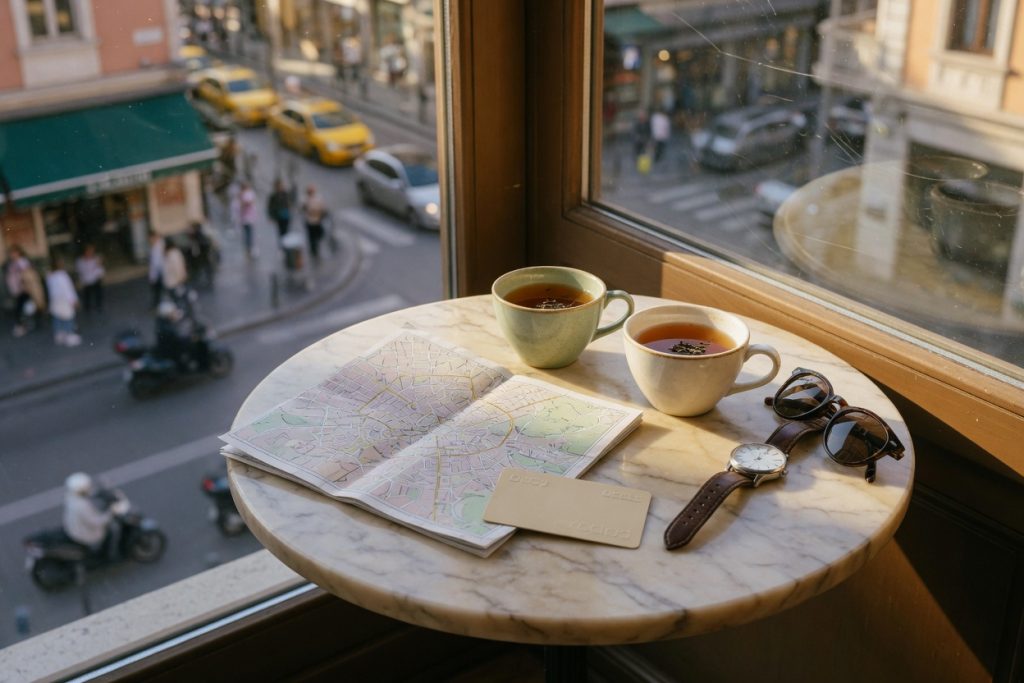
The most useful rule is also the simplest: do not agree to the second meetup at the first table. Say you would like to, if you would, and say you will confirm once you are back on your own. That one move gives you the pause that a home date gets for free. It lets you leave on your own ticket, check in with your trusted contact, eat something, and look at the plan with the version of you who is not sitting across from a person you just laughed with.
Use the walk home, or the first ten minutes after you arrive, to answer three questions honestly. Did the first meetup stay inside the plan you set, or did you bend the time, the venue, or the drink count? Did the person accept your small boundaries easily, or did they test them? Do you want a second meetup, or do you want to avoid an awkward no? Those answers are more useful than any amount of chemistry. A person who was easy about your leave-by time is easier to plan with. A person who pushed for “one more place” has already shown you how the second date will go.
If the answers are good, reply in the same reportable thread you used for the first meetup. Your message channel plan still applies. A second meetup does not require a phone number, a new app, or a social account. Your personal info boundary plan already decides which facts wait until after you have met. The second meetup is a reasonable moment to share one more fact if you want to, not every fact at once. If you met through Gallivanta, the same thread that held the first plan can hold the second one, so your trusted contact and the platform see one consistent record.
Illustrative scenario A — The table invitation: Priya has a lovely ninety-minute coffee in Seville. As the bill arrives, her match suggests driving out to a hill town tomorrow morning. She feels the pull to say yes on the spot. She says, “That sounds fun. Let me check my plans tonight and I’ll message you here.” Back at her guesthouse she realizes she would be in a stranger’s car, two hours from her room, with no train back until evening. She replies with a counter-offer: the cathedral rooftop tour at noon, then lunch in the plaza. Her match agrees. The hill town can wait for a later trip, or for a person she knows better.
Keep the second meetup public, even when the first felt easy
A second meetup can be longer, more fun, and more personal than the first, and still stay public. Public does not mean a coffee chain on repeat. It means a place where other people are present, staff are working, you can leave without asking anyone, and you are never relying on the other person for a door, a ride, or a key. That leaves a large menu: a museum, a guided walking tour, a cooking class, a market, a public garden, a ferry with a scheduled return, a gallery opening, a busy promenade, a staffed rooftop bar with a stair you can find.
Formats with a structure built in are especially good second dates on a trip. A two-hour class has an ending. A museum has closing time. A walking tour has a guide who counts heads. These formats give you something to do besides talk, which takes pressure off a new connection, and they keep the date inside a frame you can predict. Your exit strategy still works because the format supplies the natural goodbye.
Be cautious with formats that are public in name but private in practice. A boat charter is public until it leaves the dock. A “secret” viewpoint is public until you realize nobody else knows it. A friend’s party is public, but it is the other person’s crowd, the other person’s address, and possibly the other person’s ride home. Those can be fine later. On a second meetup with someone you met yesterday, they replace your control with theirs.
Keep the time window as specific as the first one. “Tomorrow afternoon” becomes “the gallery at 2, lunch after, I’m heading off by 5.” If you want a longer date, extend it in public and in daylight, and tell your trusted contact the new end time. The daylight window plan is not only for first dates. A second meetup that drifts past dark tends to drift toward someone’s lodging, because that is where people go when the venues close.
Change one variable at a time
A good second meetup is usually the first meetup with one variable changed. You can make it longer. You can make it a different kind of venue. You can add a meal. You can share one more fact. You can meet a little later in the day, still in daylight. What you avoid is changing several things at once: a later time, a new neighborhood, their transport, more drinks, and a vague end time all in the same plan. Any one of those is manageable. Together they remove every control you had on the first day.
Write the variable down before you confirm. “Second meetup: same public-first rules, longer window, lunch included.” Or: “Second meetup: different neighborhood, same daylight end, my own metro both ways.” The note takes thirty seconds, and it gives you a clear line to notice when the plan starts drifting. If a third change shows up mid-date, such as “let’s grab a cab to my favorite bar across town,” you can see it as a third change rather than a natural next step.
Money is a variable too. Your travel date budget plan sets a ceiling and keeps an exit fund untouched. A second meetup with a paid activity, such as a class or a tour, is a good place to pay for your own ticket in advance. A pre-booked ticket in your own name is also an exit plan: the activity ends when it ends, and nobody has paid for something that makes leaving feel ungrateful.
Drinks are the variable that changes the others. If the first meetup was coffee and the second is dinner with wine, the alcohol boundary plan applies in full: a hard limit set before you arrive, a drink you watched being poured, and transport home that does not depend on how the evening felt. Keeping the first change to “a meal” instead of “a night out” lets you meet the person in a second setting without testing your limits and your logistics on the same evening.
Handle day trips, drives, and excursions
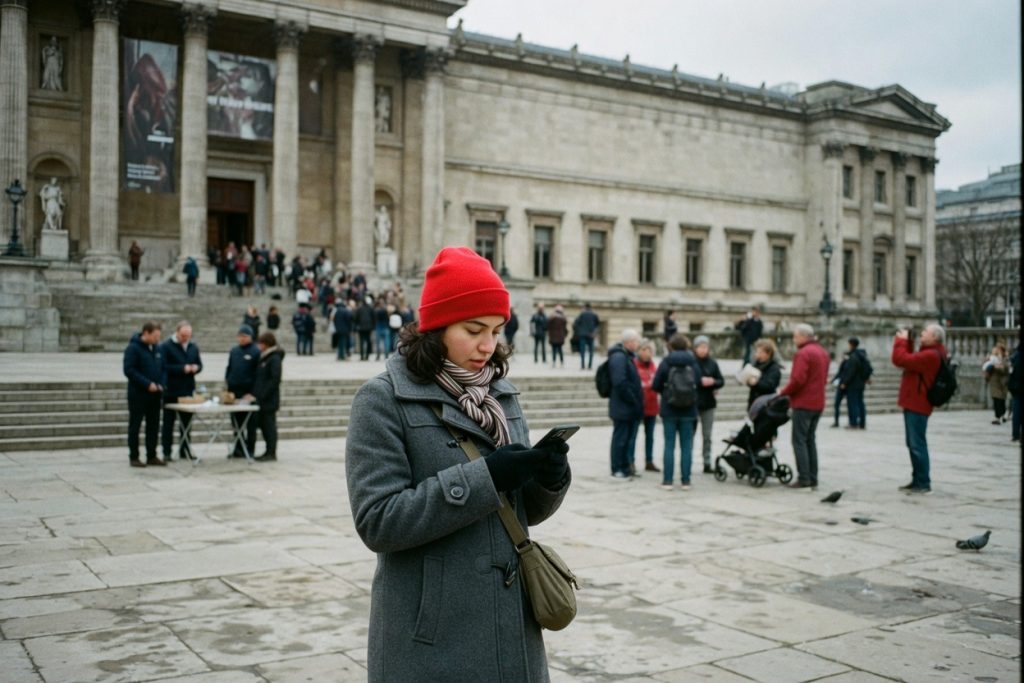
Day trips are the most common second-date request on the road, and the most natural. You are both in a new place. There is a beach, a vineyard, a waterfall, an island, or a hill town an hour away. The request is usually sincere. It also bundles the three things a first-date plan works hardest to protect: your transport, your distance from your lodging, and your access to other people.
Ask three logistics questions before you consider any excursion. How do I get there and back without the other person? What happens if I want to leave at the halfway point? Who else will be around for the whole time? If the honest answers are “their car,” “I wait,” and “nobody,” the excursion is a later-date plan, not a second-date plan. If the answers are “a scheduled train or ferry I can ride alone,” “I take the earlier departure,” and “a busy town or a staffed site,” it may fit inside your rules.
Your transportation independence plan covers the details. Buy your own ticket. Keep a small exit fund for a taxi or a rideshare from the destination. Check the last departure, then plan to leave well before it. If the destination has weak mobile coverage, download an offline map and tell your trusted contact the route and the return time. The backup plan applies too: if the ferry is canceled, what is the public place where you wait, and how do you get home without accepting a ride you did not plan?
Group excursions can be a good middle step. A small-group tour, a guided hike with a company, or a cooking class out of town gives you time together while a guide and other travelers stay present. You still buy your own place, travel there on the group transport, and keep the ending fixed. If the other person suggests skipping the group halfway through, treat that as a change to the plan, not as a spontaneous adventure you owe them.
Illustrative scenario B — The scooter offer: Tomas meets a match for coffee in Da Nang and they get along well. She offers to take him on her scooter to a quiet beach north of the city the next day. He likes the idea and dislikes being a passenger on a road he does not know, with no way back of his own. He suggests they meet at the beach instead: he takes a metered taxi, keeps the ride-hailing app open, and tells his trusted contact the beach name and a 4 p.m. check-in. She is fine with it. The beach is busy, the swim is great, and he takes a taxi home at four.
Hold the lodging line on a second date
The second meetup is often where lodging comes up, because both people now feel they know each other a little. “Let me drop my bag at my place, it’s right here.” “Come up for a minute, the view from the roof is incredible.” “I’ll walk you back to your hotel.” Each line can be kind. Each line also moves the date to a private place or reveals where you sleep. Your accommodation privacy plan was written for this exact sentence, and it still applies on day two.
Decide ahead of time that the second meetup ends in public, and that you leave from a public place to your own lodging, alone. A goodbye at a metro entrance, a taxi rank, or the door of the restaurant is complete. A walk to your door shows the building, the entrance, and sometimes the window. If the connection is real, it will survive a goodbye on the corner. If the other person sulks about a goodbye on the corner, you have learned something useful without being alone with them.
The same applies in the other direction. Going to their place, their hostel room, their rental, or their friend’s flat is a choice you may want to make later in a connection. It is not a choice to make because the second date went well and the restaurant closed. Private spaces remove witnesses, staff, and your quick exit. If you ever choose to go somewhere private, make that choice on purpose, sober, in daylight if possible, with your trusted contact told the address, and with your own way out arranged in advance. A second meetup on a short trip is rarely the right moment for that choice.
Loving This Travel Dating Safety? Don't Explore It Alone.
Real Gallivanta members are planning trips to Travel Dating Safety right now. Join the community and turn your solo travel dreams into shared adventures.
Join Gallivanta FreeConsent sits inside this line. Agreeing to a second meetup is agreeing to a second meetup, not to anything after it. Kissing someone at the end of the first coffee is not an agreement to their place on the second. You can change your mind at any point, including halfway through a plan you agreed to. A person who treats a second date as a step on a fixed staircase is showing you how they handle a no.
Update your trusted contact for a new plan
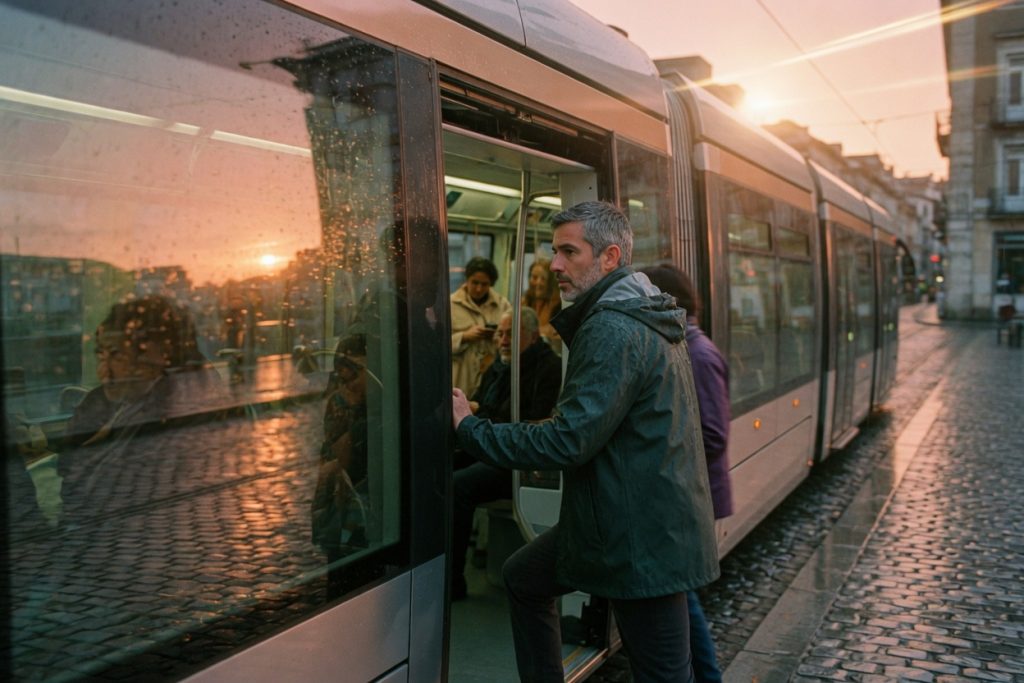
Travelers often check in carefully for the first meetup and then skip it for the second, because the person no longer feels like a stranger. They still are, in most of the ways that matter. Send your trusted contact the same short packet you sent the first time, plus what has changed. The platform and handle. The venue or activity, with a public pin. The start time and the end time. How you are getting there and back. The variable you changed. Your check-in protocol has the five windows: before, arrive, mid, leave, home.
Add one line that the first packet did not need: what you have already shared. If you gave the match your first name and your country on day one, and your social handle after the coffee, say so. If they know your neighborhood but not your building, say so. Your trusted contact can only help if the picture they have matches the picture the match has. The location sharing plan keeps any live pin with your trusted contact and with nobody else, for a set window that ends when you are home.
Keep the fail-closed rule from the first meetup. If you do not send the “home” message by the end time plus a buffer, your contact calls you, then follows the step you agreed on. A second meetup is more likely to run long in a happy way, so make extending easy: a single line such as “Still at the museum cafe, new end time 6, all good.” Easy extensions keep the system honest. A protocol you only use for strangers is a protocol you will abandon when it matters.
Use calm second-meetup scripts that keep the plan specific
A boundary on a second date can sound warmer than one on the first, because you already know the person a little. It still works best when it is short, specific, and written in advance. These lines are starting points. Change the details so they fit the plan you actually want.
- At the first table: “I’d like that. Let me look at my plans tonight and I’ll message you here.”
- Counter-offering a day trip: “I’d love a long afternoon. How about the market and the river walk, and I’ll head off around 5?”
- Declining a ride: “I’ll meet you there. I like having my own way back when I’m traveling.”
- The quick stop at their place: “I’ll wait at the cafe on the corner. Take your time.”
- Walking you home: “This is perfect, I’ll grab the metro from here. Thanks for today.”
- Extending the date: “I’m having a good time. One more hour here works, then I’m heading back.”
- Ending early: “I’m going to call it here. I’m glad we met.”
These lines have the same shape as the scripts in your earlier plans. They restate the plan, name the boundary plainly, and keep warmth in the sentence. They do not invent a fake excuse, which tends to need a second excuse later. A person who wants to see you again can work with “I’ll meet you there.” A person who needs to argue with it has given you more information than the first coffee did.
Practice the early-ending line out loud. On a second meetup, travelers are often more hesitant to leave, because they feel they have invested in the connection and do not want to seem rude. You do not need a reason to leave a date. “I’m going to call it here” is a full sentence. Your trusted contact, your ticket home, and your exit fund exist so that this sentence costs you nothing except an hour.
Strengthen the plan for women and higher-risk travelers
The same second-meetup plan carries different weight for different travelers. Women, LGBTQ+ travelers, travelers who are visible minorities in a city, and travelers in places where dating openly carries legal or social risk may face more pressure to say yes to a private setting, more risk if a plan drifts, and higher costs if a person reacts badly to a boundary. A tighter default is reasonable. You can relax it after you know someone well. You do not owe a looser plan to someone you met yesterday.
A tighter default looks like this. Agree to the second meetup only after you have left the first. Keep it in a staffed public place with a defined end, during daylight. Arrive and leave on your own ticket. Change one variable only, and make it the length or the type of venue, not the location of the ending. Keep lodging and the next city off the thread. Send your trusted contact the full packet, with the variable you changed and the facts you have shared. The guide to dating safely as a solo female traveler and the broader look at whether travel dating can be safe help you scale those controls to your own situation.
In a country where dating openly can bring legal or social consequences, treat the second meetup as carefully as the first. A second meeting in a public place is still a meeting other people can see. Choose venues where your presence is ordinary, keep photos and identifiers off the thread, and know where your embassy or consulate is before you need it. The U.S. State Department’s scams guidance also describes the travel-specific stories that sometimes appear after a short connection, such as sudden emergencies abroad.
Travelers who want a product built around public, travel-first introductions can look at Gallivanta’s meet-travelers path. The second-meetup plan still belongs to you. A platform can host the first hello. It cannot notice that a day trip quietly became a ride in someone else’s car.
Recognize rush, isolation, and money red flags
Most second-meetup invitations are ordinary. People who enjoyed a coffee want to see each other again before one of them leaves town. The red flags tend to show up as a pattern, not a single sentence. Watch for rush: the second date has to be tonight, has to be long, has to include something only available right now. Watch for isolation: the plan keeps moving toward a car, a boat, a remote spot, their lodging, or a group of their friends, and away from staff and strangers. Watch for pressure on your controls: they joke about your check-ins, ask you to turn off location sharing “so it feels more natural,” or want you to cancel the train ticket you already bought.
Money requests are a separate signal and a serious one. A second meetup is often the moment a fast connection turns into “my card was blocked,” “I left my wallet at the hostel,” “could you cover the boat and I’ll pay you back,” or a sudden family emergency that needs a transfer. The FBI’s romance-scam guidance describes the same turn from warmth to a request that is hard to refuse once you feel connected. Your budget plan already says the dating thread is not a payment rail. On a second date, that rule protects more than money. It keeps a pleasant afternoon from becoming a debt.
Image pressure belongs on the list too. A request for private photos after one coffee, or a request to film something “just for us” on the second date, is a privacy decision with long consequences. Your photo privacy plan covers what the camera may carry. If someone threatens you with an image, save the thread and report the account. In Australia, the eSafety Commissioner can help with image-based abuse, and in the US the FBI takes reports of sextortion and fraud.
When you see the pattern, you do not need to prove anything. You can decline the second meetup, keep it short and public, or end it early. You can save the thread and report the account to the platform. You can tell your trusted contact what happened. If you feel unsafe right now, go to a staffed place and contact local emergency services first. Leaving is a full safety plan. You do not owe anyone a second date to make the first one feel worth it.
Illustrative scenario C — The cancelled ticket: Lena and her match plan a museum visit for their second meetup in Vienna. On the way there, he suggests skipping the museum and taking the train to a lake for the evening, and asks her to cancel her own train ticket out of the city the next morning so they can “see where this goes.” She notices three changes in one message: the venue, the end time, and her exit. She says she is happy with the museum, and that her ticket stays. He sulks for ten minutes, then cheers up. She enjoys the museum, takes the tram back on her own at five, and keeps the ticket. She decides one good afternoon is enough.
Travel date second meetup action checklist
Run this before you confirm any second meetup on a trip. If a line fails, fix that line before you send the yes.
- Say yes to the idea at the first table if you want, and confirm the plan only after you have left on your own.
- Answer three questions: did the first meetup stay inside the plan, did they accept your boundaries easily, and do you really want a second one?
- Keep the second meetup public and staffed, with a specific start time and end time inside daylight.
- Change one variable only, and write it down: longer, a different venue type, a meal, or one more shared fact.
- For any excursion, confirm your own ticket both ways, an early departure you can take alone, and other people present the whole time.
- Pay for your own activity ticket, keep your exit fund untouched, and decline any request to lend or transfer money.
- End the date at a public place and travel to your lodging alone. Keep the building name and the next city off the thread.
- Send your trusted contact the full packet, the variable you changed, and the facts you have already shared.
- Keep the fail-closed check-in, and make extensions a single easy message.
- If rush, isolation, money, or image pressure appears, shorten the date, end it, or skip it, and save the thread.
Keep this checklist with the plans you already use. The verification checklist and meeting-point plan shape the first hello. The check-in, daylight, alcohol, budget, transport, and lodging plans cover the hours of any meetup. The second-meetup plan covers the space between a good first impression and the next yes, which is where a trip’s careful planning most often loosens without anyone deciding it should.
Sources, facts, and review boundaries
This page separates agency and nonprofit guidance from traveler advice. The organizations below describe how romance fraud, image-based abuse, and unsafe dating patterns tend to work, and how to get help. They do not rate Gallivanta, and they did not review this article. The scenarios above are teaching composites. No statistic was invented to make the risk feel larger, and none was left out to make it feel smaller.
- FTC — What to know about romance scams
- FBI — Romance scams
- RAINN — Tips for safer dating, online and in person
- eSafety Commissioner — Image-based abuse
- U.S. State Department — Scams
Gallivanta editorial review for this page was completed on October 12, 2026. Transit schedules, tour policies, and local norms change, so check the details for the city you are in before you confirm a plan. A second meetup plan is one control among others. It does not replace local emergency numbers, a trusted contact, a public venue, or your own decision to leave. If you are in immediate danger, contact local emergency services first.
FAQ: travel date second meetup
Should I agree to a second date while we are still on the first one?
Say you would like to, if you would, and confirm the details after you have left on your own. That pause lets you check in with your trusted contact, review how the first meetup went, and plan the second one with a clear head. A person who wants to see you again can wait a few hours for a yes.
Does a second meetup still need to be in a public place?
Yes, on a short trip with someone you met recently. Public can still be fun and personal: a museum, a class, a market, a walking tour, or a busy promenade. Keep it staffed, keep your own way home, and keep the ending in a public place rather than at anyone’s lodging.
Is a day trip a good idea for a second travel date?
Only if you can get there and back without the other person, leave early on your own, and stay around other people the whole time. A scheduled train, ferry, or group tour can fit those rules. A ride in their car to a quiet spot usually does not. Save that kind of trip for when you know the person well.
What should I tell my trusted contact before a second meetup?
Send the same packet as the first time: platform and handle, venue with a public pin, start and end time, and how you are traveling. Add the one variable you changed and the facts you have already shared with the match. Keep the fail-closed check-in, and make extending the date a single easy message.
What if they want me to come back to their place after the second date?
You can say no without a reason. End the date in a public place and travel to your own lodging alone. Going somewhere private is a choice for later in a connection, made sober and on purpose, with your trusted contact told the address and your own way out arranged. Agreeing to a second date is not agreeing to anything after it.
What are red flags when planning a second travel date?
Watch for rush, isolation, and pressure on your controls: a plan that must happen tonight, keeps moving toward a car or a private space, or asks you to turn off location sharing or cancel your ticket. Any request for money or private images is a stop signal. Shorten the date, end it, or skip it, and save the thread.

Fact-checked | Safety reviewed | Updated October 12, 2026
Ready to Meet Your Next Travel Date?
You've got the destination, the vibe, and the courage to go solo. Now all you need is someone who gets it. Join Gallivanta and meet fellow travelers who believe the best chapters start with a one-way ticket.
Join Gallivanta Free