Your Next Adventure Could Change Everything
Join thousands of adventurous women who've discovered that the best travel stories often include a plot twist.
Start Your Adventure – Join Free
✓ Free to join ✓ No credit card required ✓ Join 50,000+ travelers
A travel date emergency and consular plan is the card you build before you land: the destination’s real emergency number, your own government’s consular contact, and the rule that a new match is not that contact. A first meetup needs a public pin, a time window, and a way for each person to leave alone. It does not need the other person to be the one you call if the hour goes wrong.
Gallivanta’s travel-first position is adventure first, sparks welcome, traveler control intact. An emergency card is one of the controls. You can be warm and specific about coffee at four. You can still know which number reaches local police, and which number reaches your own consular service after you are safe.
Published and reviewed: October 9, 2026
This plan sits beside your check-in protocol, your pre-landing safety plan, your meeting-point plan, your public-first arrival habit, and your exit strategy. It also belongs with the verification checklist, the accommodation privacy plan, and the photo privacy plan.
Keep four truths separate. Facts below are what official pages publish about emergency numbers and consular help, checked for this article on October 9, 2026. Examples are illustrative composites for teaching, not reports about real guests and not testimonials. Assumptions are personal risk tolerances that differ by traveler, passport, and city. Advice here is operational hygiene for a short public meetup. It is not a guarantee of safety, not legal advice, and not a substitute for local emergency services.
- → Why this plan is its own page
- → Build the number card before you fly
- → Learn which local number is real
- → See what a consulate can and cannot do
- → Keep the match off the emergency card
- → Use the card if the hour goes wrong
- → Handle documents, medical trouble, and invented emergencies
- → Strengthen the plan when risk is higher
- → Recognize emergency red flags
- → Use calm scripts
- → Run the action checklist
- → Review sources and boundaries
- → Read the FAQ
Why a travel date needs its own emergency and consular plan
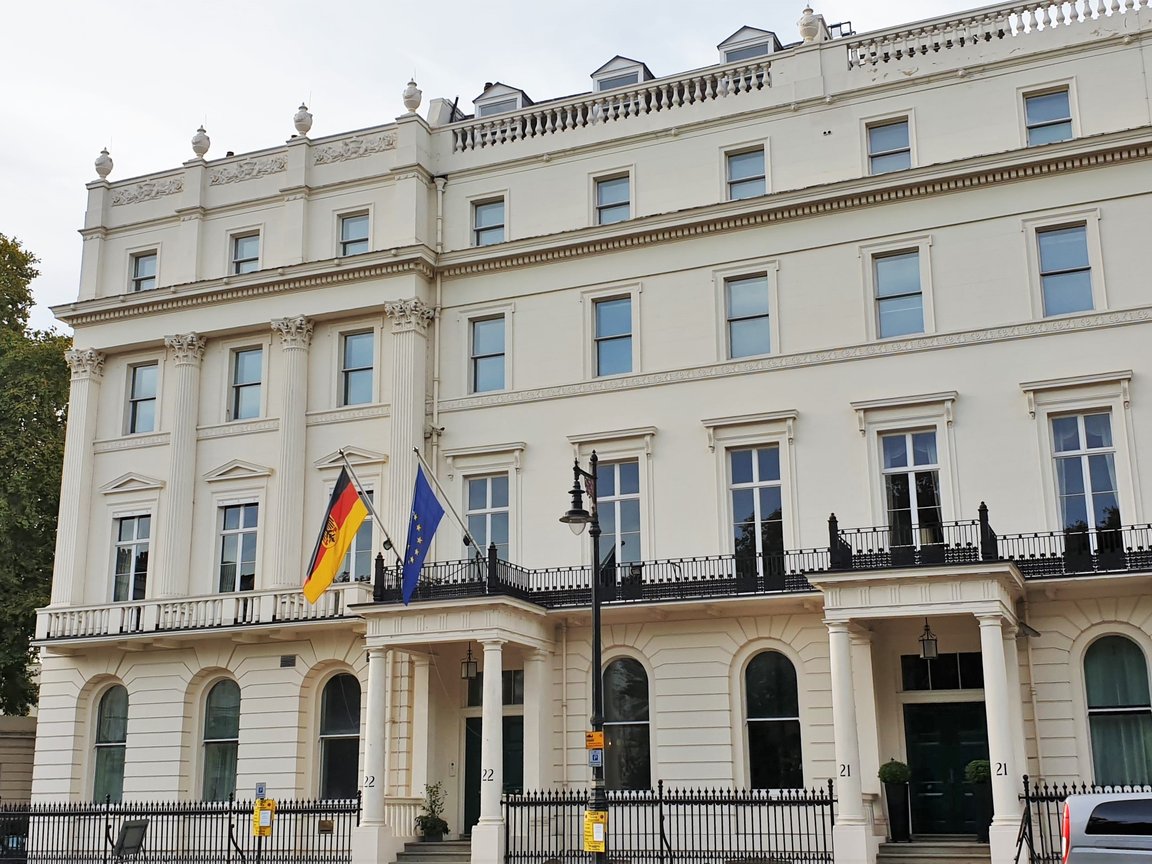
Travel dating compresses the usual safety net. You may have matched yesterday, landed this morning, and agreed to coffee before you know which number reaches an ambulance in that city. In that window, two different phone calls get blurred into one. The first is local emergency services: police, fire, or medical help, right now. The second is your own government: a consular office that can help with a lost passport, a crime report, an arrest, or a message to family after the immediate danger is handled.
Other Gallivanta guides name the task and then move on. The pre-landing safety plan tells you to save your accommodation address, the local emergency number, and embassy or consulate links. The check-in protocol tells a trusted person what to do if you miss a time, and it says not to invent an emergency number. The photo privacy plan mentions an embassy only as a later path if images are misused. None of those pages is the number card itself.
The check-in page answers who watches the clock. This page answers which numbers go on the card, what those offices will and will not do, and why the match does not hold the card. A respectful meetup can use a square, a station, or a staffed cafe. It does not require you to adopt a stranger as your emergency contact for the afternoon.
Keep three layers separate. Local response asks whether you can reach police, fire, or medical help without asking the match. Consular follow-up asks whether you know which government will talk to you, and which problems that office actually handles. Privacy asks whether the card, the passport number, and the mission address stay out of the dating thread.
Build the number card before you fly
Write the card while you still have reliable Wi-Fi and an official page open. A note on your phone is fine if it is not the same thread as the match. A paper card in your day bag is fine if it does not show a hotel name or a passport number on the outside. The point is that you can read it when you are tired, when the language around you is new, and when someone else is offering to “just handle it.”
| What you save | Where it lives | Who may see it |
|---|---|---|
| The destination’s emergency number, copied from an official source | Offline note and the trusted contact’s copy | You and the trusted contact. The match does not need it in the chat. |
| Your government’s 24-hour consular line and the nearest mission | Same private note, with the page you copied it from | You and the trusted contact. Say “I have my own plan” if asked. |
| Passport number, insurance assistance line, and policy reference | A password manager or a copy that stays out of photos and chat | You, and a trusted contact only if you choose that. Never the match. |
| Meetup pin, start, and hard end | The check-in message | The match gets the pin and the time. The contact gets the fuller packet. |
| A line that means “call local emergency services” | Agreed with the trusted contact before you leave | The contact. The match does not get a code word for your private plan. |
Pair the card with the habits you already have. Your transportation independence plan keeps a way home that is not the match’s car. Your daylight window keeps the first hour in a part of the day when streets and staffed places are easier to use. Your budget plan keeps you able to pay for yourself and leave. The number card does not replace any of those. It is the call you can make if they are not enough.
Save the source, not only the digits. A note that says “112, European Commission 112 page, checked October 9” is more useful a month later than a bare number you can no longer explain. Governments change contact channels. Chat apps that worked last season may be down. Re-open the official page the week you fly.
Illustrative scenario A, the card built at the airport hotel: A traveler in Lisbon has a coffee the next afternoon with someone she matched on the flight day. Before she leaves the room she writes 112, the consular line for her own passport, the market-hall pin, and a 5 p.m. end into a note her sister already has. The match receives the pin and the time. The sister receives the card. Nothing in the dating thread is a substitute for 112.
Learn which local number is real
One number from home does not travel intact. A number that reaches police where you live can be the wrong service, or only a secondary number, where you land. Build the card from the destination, then keep it.
For the European Union, the European Commission’s 112 page is the reference this article uses. It says 112 is the European emergency phone number, available everywhere in the EU, free of charge, from fixed and mobile phones. A trained operator answers and either handles the call or transfers it to ambulance, fire, or police, depending on how that country organizes its services. The same page says that if the caller does not know where they are, the operator identifies the caller’s location and passes it to the emergency authorities.
Read the limits on that page before you treat 112 as a universal shortcut.
- 112 functions alongside existing national emergency numbers. Denmark, Estonia, Finland, Malta, the Netherlands, Portugal, Romania, and Sweden have chosen 112 as their only national emergency number. Other EU countries still have their own numbers beside it.
- The Commission says 112 is also used in some countries outside the EU, including Switzerland and South Africa, and that it is available worldwide on GSM mobile networks. That is the Commission’s statement. It is not a promise that the person who answers in every country is the service you need. Save the destination’s published number anyway.
- Operators in many countries can answer in the national language and also in English or French. “Many” is the Commission’s word. Do not assume every operator speaks your language. A short phrase you saved in the local language still helps: the nature of the emergency, the public place name, and that you need police or an ambulance.
- 112 operators respond only to real emergencies. The Commission says they do not provide traffic reports, weather, or general information. A hoax call wastes the line and can be a criminal offence in most countries.
Outside that system, look up the destination on your own government’s travel advice and on the local authority’s page. In the United States and Canada, 911 is the familiar local emergency number. It is the number for those countries. It is not the world’s number. If a match, a host, or a forum comment gives you a different “local emergency” number, compare it with the official page you already saved. A helpful text is not verification.
Put the number to work inside the meetup you already designed. The meeting-point guide picks a staffed, easy-to-say place. Add one emergency test. If you had to describe the pin to an operator who does not know you, could you say it without naming your hotel? “The market hall counter, the one with the queue, near the main doors” is usable. “The cafe in my hotel” both fails the lodging test in the accommodation privacy plan and makes the emergency call reveal where you sleep.
Travelers who use Gallivanta to find travel-first connections still bring their own number card. The product can help you propose a public first hour. It does not dial local emergency services for you, and it should not be the only place the number exists.
See what a consulate can and cannot do
Consular help follows your passport, not the city and not the match. A U.S. citizen calls the United States. A British national calls the United Kingdom. A Canadian citizen calls Canada. A dual national in the country of their other nationality may find that help is limited or unavailable. If you travel on a passport this section does not name, use that government’s own page. The pattern is the same: local emergency services first, your own consular service for the problems it actually handles.
British nationals. The Foreign, Commonwealth & Development Office explains consular assistance on its consular assistance page, checked for this article on October 9, 2026. It says the FCDO and UK missions can help British nationals who have, for example, lost a passport, been a victim of crime, been hospitalised, or been arrested. Urgent contact is the nearest British embassy, high commission, or consulate, or the FCDO in the UK on +44 (0)20 7008 5000, selecting “Consular services for British nationals.” That line is described as 24 hours a day. Find the mission through the embassy directory and re-check the number on the official page before you rely on a copy, including this one.
The same page is specific about the edges. Consular assistance is at the FCDO’s discretion. You do not have a legal right to it. Staff must not interfere in the internal affairs of the host country. The FCDO says it cannot ensure your safety abroad, because local authorities are responsible for that. It cannot investigate crimes or carry out physical searches. It cannot get you out of prison, stop a deportation, or interfere in court proceedings. It cannot pay your bills or give you money. It cannot give legal advice or pay for a lawyer, though it can give you details of local lawyers. It does not accept full passport applications abroad. It can help you get an emergency travel document if a British passport is lost, and it says that service can incur a fee. It can provide contact information for local police and medical services if you have been the victim of crime, including sexual or violent assault, and it says staff may sometimes accompany you to report a crime.
The FCDO also publishes its own caseload, which is useful because it shows what the office is for. It says that in any given year it supports around 20,000 to 25,000 British nationals and their families, including approximately 5,000 detained or arrested, 4,000 who need welfare support, 4,000 who die abroad, 3,600 who are hospitalised, and 1,000 who are victims of crime, plus about 30,000 emergency travel documents. Those are the FCDO’s figures about its work. They are not a measure of dating risk, and they are not a forecast for your trip.
Help can be limited if you are in a place where the FCDO has advised against all travel, if there is no British mission, if helping you could put staff or others at risk, if you are abusive to staff, or if you are a dual national in the country of your other nationality. A separate FCDO page, if you’re affected by a crisis abroad, is about large-scale events such as major attacks, disasters, and political unrest. A meetup that feels wrong is not that page. It is a local emergency call, then consular help if you still need it.
Canadian citizens. Canada’s emergency assistance page, also checked on October 9, 2026, says Canadian citizens can contact the Emergency Watch and Response Centre for 24/7 consular assistance. From outside Canada the page lists the nearest embassy or consulate and +1-613-996-8885, with collect calls where available. Email on that page is [email protected]. From inside Canada, calling on behalf of a Canadian abroad, it lists 613-996-8885 and 1-800-387-3124. The page says the service does not provide information about immigration, permanent residence, or visas. Other channels, including SMS and WhatsApp numbers, are listed there and can change. The page noted technical trouble with one messaging app when this article was checked, which is why the stable move is to open the page yourself rather than trust a screenshot from a match.
U.S. citizens. The State Department’s crisis support page tells U.S. citizens who need immediate help to call local authorities first, and to contact the nearest U.S. embassy or consulate for consular help. It says the Department does not provide emergency medical care or law enforcement. During a crisis it also says the U.S. government generally cannot provide in-country transportation, and that departure assistance is aimed at U.S. citizens. Family and friends who are not U.S. citizens are directed to the embassy of their own nationality. The American Citizens Services description of routine consular help includes crime-victim assistance, visits to arrested citizens, emergency financial assistance in the circumstances the Department publishes, and welfare-and-whereabouts help. Confirm the current phone number on those pages the week you travel. This article does not print a U.S. number, because the right habit is to copy it from the page you will actually call.
Across these systems, the order does not change. Immediate danger goes to the local emergency number. A lost passport, an arrest, a hospital stay, or a crime report that you cannot navigate alone can go to your consular service after that, or in parallel once you are not in the middle of the danger. A consulate is not a bodyguard, not a taxi, and not a referee for a date that simply disappointed you.
Keep the match off the emergency card
Someone who loves you and someone you just matched do not get the same packet. The trusted contact can hold the local number, the consular line, the meetup pin, the start, the planned end, and the escalation you already agreed in the check-in protocol. The match gets the public pin and the time window.
Do not merge the card into the dating thread to seem prepared. A message that includes the mission address, your passport number, the insurance reference, and the match’s handle is one screenshot away from a stranger’s camera roll. The message channel plan already keeps lodging, documents, and payment handles out of the thread. Add the emergency card to that list. The photo privacy plan covers the same leak in pictures: a passport page, a boarding pass, or a note full of numbers does not belong in a photo you send to prove you are real.
Live location follows the same split. If you share a dot, share it with the trusted contact for a bounded window, as the location sharing plan describes. Do not share it with the match so they can “watch you get home safe.” A continuous trail can reveal the building you return to. Your accommodation stays on the contact’s copy of the plan, not in the match’s phone.
Loving This Travel Dating Safety? Don't Explore It Alone.
Real Gallivanta members are planning trips to Travel Dating Safety right now. Join the community and turn your solo travel dreams into shared adventures.
Join Gallivanta FreeTell the contact what you are withholding from the match, so they do not helpfully text the hotel name or the consular card into a group the match can see. If you are in immediate danger, contact local emergency services first. A privacy plan does not delay that call.
Illustrative scenario B, the friend who is “basically police”: A traveler in Mexico City is offered a phone number “for if anything feels off,” belonging to the match’s friend. She thanks him, does not replace the number she saved from an official source, and keeps the meetup at the public hall. The friend’s number never becomes the card. If she needs police, she uses the number she checked before she landed.
Use the card if the hour goes wrong
Decide the order before you sit down, while you are calm. If you are being hurt, threatened, or kept from leaving, call the local emergency number. Leave if you can. Use staff at the venue. Then tell the trusted contact. Consular help comes after you are safe, or alongside the local response when you need help they actually provide: a crime report you cannot navigate, a hospital, an arrest, a missing passport.

Use your exit strategy when the problem is smaller than an emergency and you still want a clean goodbye: “This was good. I’m heading to the metro on my own.” Do not solve discomfort by moving to a private apartment, a vehicle you do not control, or a “friend who can help.” Your backup plan replaces a closed cafe with another public place in the same zone. It does not replace the cafe with either person’s lodging, and it does not replace the emergency number with the match’s contact list.
If alcohol is part of why the hour feels wrong, your alcohol boundary plan still applies. A drink you did not pour, a plan that only works after a second venue, or pressure to “sober up upstairs” is a reason to use the exit or the local number. It is not a reason to hand over your phone so someone else can “call for you” while you cannot see the screen.
After you are safe, write down what you can: the place, the time, the profile name, and the platform. Report the profile when you can do that without putting yourself back in the situation. If a crime occurred, local police are the investigating authority. Your consulate may be able to point you to them or, for British nationals, sometimes accompany a report. It does not investigate in their place. Support lines in your home country, including RAINN’s safer-dating guidance for people who want it, are for after the local emergency call. They do not replace it.
Handle lost documents, medical trouble, and invented emergencies
Three problems feel like one panic and use three different numbers.
A lost or stolen passport. Do not ask the match to hold it “so it stays safe,” to file the police report, or to keep the replacement document. Follow the instructions on your own government’s page. For British nationals, the FCDO can help with an emergency travel document and says that service can cost a fee. It does not issue a full new passport abroad. For other passports, the steps and the fee are whatever that government publishes. Keep passport photos and booking files out of the dating chat, which is the same line the verification checklist already draws around documents. A live call can confirm you are the person in the profile. It does not require the passport on camera.
A medical emergency. Call the local emergency number. A consulate is not an ambulance. The FCDO says it can provide contact information for local medical services. The State Department’s crisis page says it does not provide emergency medical care. Your insurer’s assistance line, saved on the private card, is the path for coverage questions. You do not need to show the match the policy, the member number, or the card.
An emergency that arrives as a money request. A canceled flight, a hospital bill, a visa fee, or a stolen wallet can be real in life. In a new travel chat, a story that requires you to send cash, a gift card, cryptocurrency, or a payment-app transfer is the pattern described across consumer-protection guidance: fast trust, then a payment that is hard to reverse. The FBI’s romance-scam page and the State Department’s scam guidance are the references. Do not pay. Do not let the story move you off a public plan. Report it to the platform and, in the United States, at ReportFraud.ftc.gov when you are safe. Your budget plan already covers who pays for the coffee. It does not cover funding a stranger’s emergency.
Illustrative scenario C, the hospital text before the coffee: A traveler in Rome receives a message that the match has been admitted and needs a transfer to “hold the room” before they can meet. She does not send money. She does not go to a hospital she cannot verify to deliver cash. She keeps the public pin unused, tells her check-in contact, and reports the profile. A real medical emergency is for local services and the person’s own consulate or insurer. It is not an invoice for a first date.
Strengthen the plan for women and higher-risk travelers
The same order applies to every traveler. Women, LGBTQ+ travelers, and anyone whose identity, documents, or mobility draw more harassment often need a tighter version, because “let me be your emergency contact” is a common way to test whether you are alone. Gallivanta’s guides on dating safely as a solo female traveler and solo travel safety for women expand the wider context. The emergency layer is specific:
- Save the local number and your consular line before you agree to the meetup. Do not build the card in the venue while the match watches the screen.
- Do not confirm that you are traveling alone in order to explain why you have a check-in. “I keep my own plan” is enough.
- Prefer a pin with staff you can see, inside your daylight window, with your own way home, as in the travel dating safety overview.
- If you do not speak the local language, save one plain sentence for the operator. Do not make the match your only translator for that call.
- If you are a dual national, read your government’s warning about help inside the other country of nationality before you travel. The FCDO states that limit for British dual nationals. Other governments publish their own.
- If someone appears at your lodging after you withheld it, treat that as a reason to involve staff and, if you feel unsafe, the local emergency number. Do not renegotiate the boundary in the doorway. The accommodation plan covers that moment in more detail.
Higher risk changes the margin. It does not change the right to a public plan and a number that is not the match’s. A person who mocks the card is showing you how they handle a no.
Recognize emergency red flags
Leave or cancel when the conversation turns into control of the call. Concrete versions:
- A request to be your emergency contact, your only translator, or the only person who knows the pin
- A “local police” or “hospital” number that does not match the official source you saved
- Pressure to hand over your passport, phone, or insurance card for safekeeping
- A money request tied to a medical story, a missed flight, a visa fee, or a stolen wallet before you have met in public
- Anger, guilt, or a safety lecture when you keep the consular card private
- A plan that has no staffed public version and only works in a private apartment, a vehicle, or “my friend’s place”
- An offer to call emergency services for you while holding your phone
One awkward question can be a miss. A pattern after a clear answer is the signal. You do not owe a second explanation. The first travel date planning guide is where the public hour is designed. This card is what you carry into that hour.
Scripts that keep the card private without killing warmth
Short lines are easier to send when you are jet-lagged. Adapt the place names. Keep the boundary.
- The card: “I already have my own emergency plan. The market hall at 4 works, and I’ll arrive on my own.”
- The friend’s number: “That’s kind. I use the official local number I saved before I landed. I’ll see you at the public pin.”
- The passport offer: “I don’t hand over my passport on a first meet. If you want coffee, the station cafe is public and easy.”
- The money story: “I don’t send money to someone I haven’t met. If this is a real emergency, local services or your own consulate are the right call. I won’t be sending a transfer.”
- The exit: “I’m glad we did this. I’m taking the metro from here, and I’ll head out alone.”
- The second meet: “I’d like another hour later this week. Same rule: a public place, separate routes, and I keep my own emergency contacts.”
If you want introductions with people who already expect a public first hour, look through Gallivanta’s meet-travelers path. The product does not replace the local number, the consular line, or the decision to leave.
Travel date emergency and consular action summary
Run this before you say yes, and again before you leave for the pin.
- Copy the destination’s emergency number from an official page. For the EU, start with the Commission’s 112 page, then confirm the country’s own number.
- Copy your own government’s consular contact and the nearest mission. Re-check it the week you fly.
- Store passport and insurance references where the match cannot see them. Do not photograph the card into the chat.
- Send the pin, start, and end to the match. Send the fuller card only to a trusted contact, including what you are withholding.
- Agree the line that means the contact should use local emergency guidance, as in your check-in protocol.
- Choose a staffed public pin you could describe to an operator without naming your lodging.
- If you are in immediate danger, call the local emergency number. Contact the consulate for the problems it actually handles, after you are safe or once local help is underway.
- Do not pay a new match for a medical story, a ticket, or a fee. Do not make them your emergency contact, your translator for that call, or the holder of your phone.
- If the pin falls through, use another public place in the same zone. Do not substitute either person’s lodging or a private “friend who can help.”
Then go have the hour. A saved local number and a public pin can exist on the same afternoon. That is the whole plan.
Sources, facts, and review boundaries
This guide is practical planning for solo travelers arranging short public meetups. It is not legal advice, medical advice, or a guarantee of safety. Emergency numbers, consular phone lines, fees for emergency travel documents, and what a mission will do in a given case vary by nationality and change over time. Gallivanta did not place test calls to consular lines or visit missions for this article. Verify the number on the official page the week you travel.
Gallivanta encourages traveler control, public-first first meetings, and proportionate boundaries. No checklist can certify another person’s intent. Use this plan so adventure and connection remain choices you can revise. Editorial standards for how Gallivanta separates reporting, composites, and product mentions are on the editorial standards page and the why trust us page.
Official pages worth opening before you treat a stranger’s number as the plan:
- European Commission: 112, the EU emergency phone number
- UK FCDO: Consular assistance and how support is provided
- UK FCDO: Find a British embassy, high commission, or consulate
- UK FCDO: If you’re affected by a crisis abroad
- Government of Canada: Request emergency assistance
- U.S. Department of State: Crisis response and evacuations
- U.S. Department of State: American Citizens Services abroad
- U.S. Department of State: Scams
- FBI: Romance scams
- U.S. Federal Trade Commission: ReportFraud
- RAINN: Tips for safer dating, online and in person
The FCDO caseload figures in this article are the FCDO’s own published approximations. They describe that office’s work. They are not statistics about travel dating. No other number in this article was invented to make the risk feel larger. If you are in immediate danger, contact local emergency services. Platform reporting and official consumer reporting channels matter after you are safe.
Editorial review date: October 9, 2026.
FAQ: travel date emergency and consular plans
Should I call my embassy first if a travel date feels unsafe?
No. If you are in immediate danger, call the local emergency number for that country. Police, fire, and medical help come from local services. Your embassy or consulate can help afterward with things like a lost passport, contacting family, or pointing you toward local police and medical contacts. It does not replace the local emergency call, and it cannot guarantee your safety.
Is 112 the right emergency number everywhere?
No. The European Commission says 112 is the European emergency number, free from fixed and mobile phones across the EU, and that it also works in some countries outside the EU. It functions alongside national numbers in many places, and a few EU countries use 112 as their only emergency number. Other countries use different numbers. Look up the destination’s number from an official source before you land, and do not treat a number texted by a new match as the plan.
Can I share my embassy contact with a travel date?
You can say that you have your own emergency plan. You do not need to send the mission address, the 24-hour line, your passport number, or the note that holds them. A trusted contact can keep that card. A new match gets the public pin and the time window.
What if my passport is lost or stolen during the trip?
Contact local police as your government instructs, then your own consular service for an emergency travel document or the next step they publish. Do not ask the match to hold the passport, file the report for you, or keep the replacement. The UK FCDO, for example, can help British nationals get an emergency travel document for a fee and does not issue full passports abroad. Follow the page for your own nationality, because the process is not the same for every passport.
Should a travel date be my emergency contact?
No. An emergency contact is someone who already knows you and who holds the number card, the meetup pin, and what to do if you miss a check-in. A person you just matched does not get that role. They also should not be your only translator, your only map, or the only one who knows where you are.
What if a match sends me a local emergency number?
Thank them if you want, then check it against an official source you saved before the trip. A helpful text is not verification. If the number does not match, do not store theirs over yours, and do not let the mismatch become an argument. Your card stays the one you built from the government page.

Fact-checked | Safety reviewed | Updated October 9, 2026
Ready to Meet Your Next Travel Date?
You've got the destination, the vibe, and the courage to go solo. Now all you need is someone who gets it. Join Gallivanta and meet fellow travelers who believe the best chapters start with a one-way ticket.
Join Gallivanta Free