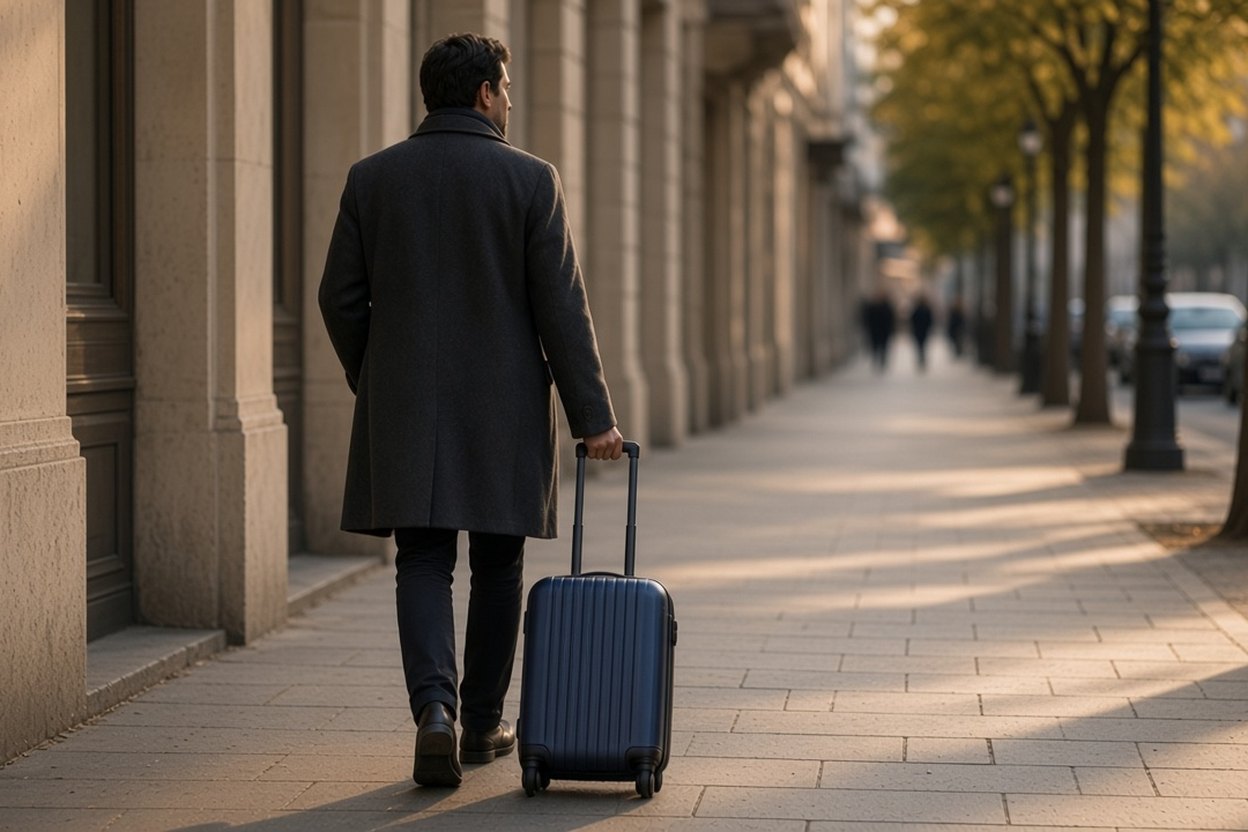
Your Next Adventure Could Change Everything
Join thousands of adventurous women who've discovered that the best travel stories often include a plot twist.
Start Your Adventure. Join Free
✓ Free to join ✓ No credit card required ✓ Join 50,000+ travelers
The best app to find a date before traveling is what people search when they want a person lined up before the flight. An app can show that two people might be in the same city. It cannot read the destination page, book the first night, or keep a flight number out of the chat. I do not crown an app on this page. The comparison of travel dating apps already lives on the best travel dating apps guide. This page is the plan to set before you fly.
I am Rico Roger. I founded Gallivanta, and I write the destination and safety guides on this blog. A meetup you arrange from home has more time than a meetup you invent after you land, and that extra time cuts both ways. You can read the advisory, tell someone you trust, and agree a public place. You can also be asked for money, a passport photo, or a boarding pass by someone you have never stood next to. The plan below is how to use that time without handing over the trip.
Published and reviewed: October 30, 2026
Read this beside the pre-landing safety plan, the first travel date guide, the message channel plan, the itinerary privacy plan, and the public-first plan. A layover between flights is a different shape, on the long layover meetup plan. A trip that exists because of a client is on the business travel dating plan. I am not going to fold those into this one.
Keep four things separate. Facts are what a government or an official page said, with the link in the sentence. Examples are illustrative composites for teaching. They are not my diary and not reports about a real guest. Assumptions are risk tolerances that change with your passport, your health, and the city. Advice is the method this page recommends when you agree to a meetup before you fly. Advice is not a guarantee of safety, not legal advice, not medical advice, and not a substitute for your own foreign ministry or for local emergency services.
- → See why the app is not the plan
- → Read the destination page first
- → Set up the trip before you agree
- → Keep the flight and the room off the chat
- → Stay in the app until you have met
- → Name a public pin, not a room
- → Treat money and gifts as a stop
- → Keep arrival day public and short
- → Split what a trusted person may know
- → Tighten the plan when the risk is higher
- → Read a page that already names dating apps
- → Know who to call if something happens
- → Recognize pre-trip red flags
- → Use short scripts
- → Run the checklist
- → Review sources and boundaries
- → Read the FAQ

Why the best app to find a date before traveling is still not a plan
A hometown first date and a meetup you arrange before a flight fail in different places. At home, you already know the neighborhood, the last train, and where you sleep. Before a trip, the city is still a page, the suitcase is still open, and the other person may be asking for proof that you are really coming. Proof is where people overshare. A boarding pass, a hotel confirmation, and a live location dot feel like manners. They are also a map.
I keep the product question in its lane. If you want a list of apps built for people who move, use the best travel dating apps guide and judge it on its own. This page will not repeat that ranking, and it will not invent a winner. An introduction is useful. A plan is the public place, the start time, the end time, and the list of facts that stay off the chat until you have met in person, if you meet at all.
Speed is the part I refuse to optimize. The days before a flight feel like a deadline, so a stranger who says “lock this in tonight or I will make other plans” gets a faster yes than they have earned. My advice: a meetup that only works if you decide before you have read the destination page is a meetup you can skip. The city will still be there if the conversation can wait until you have done the reading.
The FBI romance-scam page says the scammer wants to establish a relationship as quickly as possible, gain trust, and eventually ask for money. It says con artists are present on most dating and social media sites. It says to go slowly and ask lots of questions, and to beware if the person seems too perfect or quickly asks you to leave a dating service or social media site to communicate directly. A pre-trip chat is a short clock. Go slowly anyway. The flight is not a reason to skip the questions.
Read the destination page before you agree to meet
Before you name a time, open the travel advice for the passport you will actually carry. The U.S. Department of State Travel Advisories page says a Travel Advisory describes the risks and recommended precautions for U.S. citizens, not foreign nationals, in a foreign destination. It says the information reflects an assessment of threats only insofar as they may impact U.S. citizens, nationals, and legal residents. If your passport is not American, that list is context, not your consular service. Start with your own foreign ministry.
The same page describes four levels. Level 1 is exercise normal precautions, and it says there is some risk in any international travel. Level 2 is exercise increased caution. Level 3 is reconsider travel because of serious risks to safety and security. Level 4 is do not travel, the highest level, because of life-threatening risks, and it says the U.S. government may have very limited or no ability to help, including during an emergency. A match in that city does not lower the level. If the advisory is the reason you would reconsider the trip, it is also the reason you reconsider the meetup.
British nationals have a parallel page. The FCDO foreign travel checklist, updated on June 5, 2026, says to get up-to-date advice and warnings, including entry requirements, safety and security, health risks, and legal differences, by checking foreign travel advice for the country you are visiting. The FCDO solo and independent travel guidance, updated on June 12, 2025, says to check the country travel advice pages and to receive email alerts when the advice is updated. It also says all travel comes with risk, and that if you travel by yourself, or independent of a group or organized tour, you can face additional challenges. Read those sentences before you treat a chat as a plan.
The checklist says no foreign travel can be guaranteed as safe, and that you take personal responsibility for your own travel. I put that sentence here so this article cannot be read as a clearance. I can tell you which page to open. I cannot clear the city, the person, or the hour.
If you are a U.S. citizen traveling outside the United States, enroll in the Smart Traveler Enrollment Program before you fly. The State Department says STEP is a free service that sends email updates and alerts from U.S. embassies and consulates. It says the messages include security alerts, demonstration alerts, health alerts, weather or natural disaster alerts, Travel Advisory updates, and routine messages about embassy and consulate services. It says STEP also helps the embassy or consulate contact you or your emergency contact in an emergency. A guest subscription can receive messages without a Login.gov account. Registering the trip, including location and duration, uses a Login.gov account. I do not tell a reader with another passport to pretend STEP is their system. British nationals can use the email alerts on the country page, which is what the solo guidance tells them to sign up for.
Set up the trip before you agree to the hour
The meetup sits on top of a trip that already has a bed, a way to reach money, and a person at home who knows the outline. Do those jobs before you confirm a coffee.
The FCDO solo page says to book accommodation before you travel, in particular the first night, because you are at your most vulnerable when you first arrive, tired and unsure of your surroundings. It says to research the location and to have alternative accommodation as backup. The State Department crime page says the same thing in its own words: book your accommodations before you travel, because arriving without a plan makes you vulnerable, and have backup options. The lodging safety page says you are most at risk when you first arrive in a new place, and it says to have backup options in case you have to switch. Where you sleep is not a detail for the match. It is a detail for you and for one trusted person. The longer version is the accommodation privacy plan.
The FCDO checklist says to get appropriate travel insurance as soon as you book, and to check that it covers the places you will visit, the duration of the visit, and any planned activities. It says to tell the insurer about medical conditions, including undiagnosed conditions which are being investigated, and to check that the policy will cover them. It says an EHIC or GHIC may not cover all health costs and never covers repatriation, and is not a substitute for travel insurance. I am not selling a policy, and I am not reading yours. My advice: buy it when you book, then read the exclusions yourself. A coffee is not an activity the policy was written to describe. The medical and evacuation lines are.
The same checklist says to check what vaccinations you need and what health precautions you should take at least 8 weeks before you travel, and to check the rules on taking your medicine abroad. It says to sign your passport, complete the emergency contacts page, make sure the passport meets the entry rules, which may include validity for a set period after the trip ends, and get the correct visa. The State Department international travel checklist tells U.S. citizens to review the Travel Advisory level, entry and visa requirements, passport validity, and embassy contact information. I do not invent entry rules on this page. I send you to the country page for the passport in your pocket. A meetup has to fit inside the permission you already have.
The FCDO solo page says to leave an itinerary with someone at home and agree how regularly you will be in contact. It says you may also want to leave photocopies of important documents, such as your passport and insurance policy. The checklist says to have a backup plan for key information, including accommodation details, flight details, passport details, contact numbers, and the insurance policy, in case you lose your phone, and to share it with friends or family or store it with a secure method. That packet goes to the person at home. It does not go to the match. The check-in protocol is how that person should react if you miss the window.
Illustrative scenario A, the boarding pass that was framed as proof: A traveler is asked to photograph the boarding pass “so I know the trip is real” before any public pin exists. The pass shows a full name, a flight number, and a time. In the composite, the reply is a neighborhood and a time window after landing, with the pass left in the traveler’s own files. The ask was for the itinerary. The cafe did not need it.
Keep the flight, the room, and the passport off the first chat
What a first hour needs is smaller than what a trip contains. Write the split down before you confirm a time.
| Enough to meet | Stays off the chat |
|---|---|
| A staffed public place, a start time, and an end time | The flight number, the seat, the terminal, and the layover |
| The fact that you will arrive and leave on your own | The hotel name, the room number, and the door code |
| Messages in the app until you have met | A passport photo, a boarding pass, and a live location |
| A second public place if you both want to talk again | Your workplace, your home address, and any payment |
The State Department crime page says not to share detailed travel plans online until you return home. It also says to tell someone at home your itinerary, including hotel names, places you will visit, embassy or consulate information, and emergency contacts. Those are two different audiences. The person at home gets the itinerary. The match does not. The itinerary privacy plan is the longer version of that split. The personal information boundary plan covers the private facts that are not about the ticket.
The crime page also says not to tell strangers where you are staying. The women travelers page says the same, and it says that when you register at a lodging, use your first initial and no title. The FCDO solo page says never to leave your key where someone can note your room number. Follow those lines whether or not the chat feels friendly. A first name, if you want to share one, can be spoken later. The property can wait.
The FBI page says to be careful what you post and make public online, because scammers can use details shared on social media and dating sites to better understand and target you. A flight number plus a hotel plus a photo of the departure board is a public bundle. Do not post the meetup, the property, or a picture of the pass. The photo privacy plan is the longer version of that habit. My advice: do not send a passport photo, a visa page, or a boarding pass to prove you are real. A public pin is the proof that matters.
Stay in the app until you have actually met
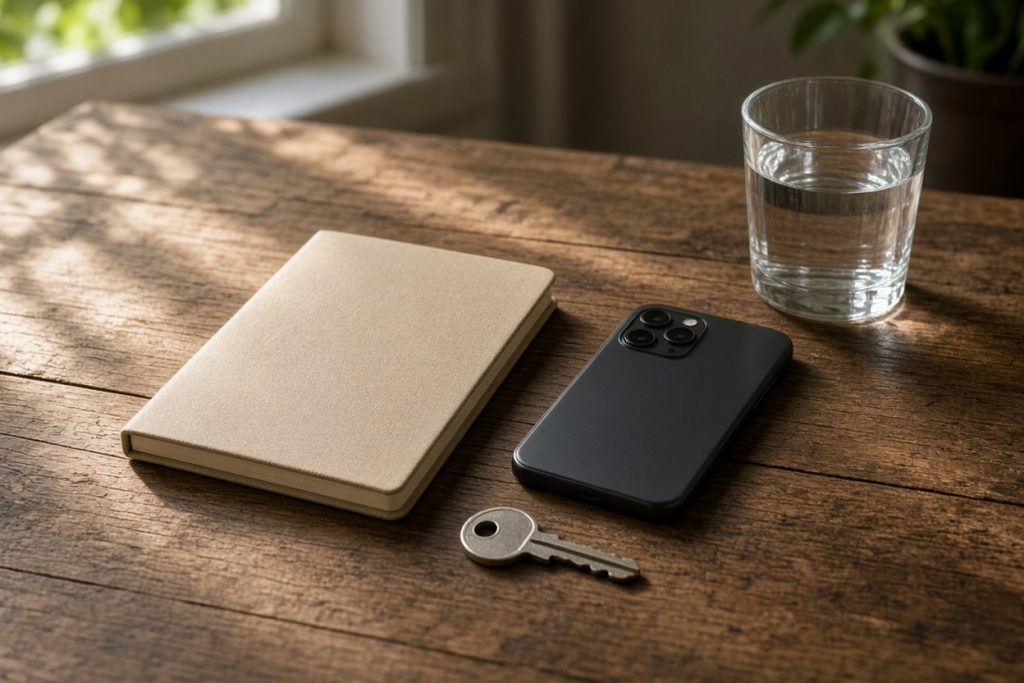
The FBI page says to beware if someone quickly asks you to leave a dating service or social media site to communicate directly. Treat “text me on my personal number before you even land” as that ask. The message channel plan explains how to keep first chats reportable. A personal number, once shared, is hard to pull back. The app can be blocked, reported, and shown to someone else if the thread turns ugly. Your own phone line is a different object.
The FTC’s February 2025 alert on romance scammers describes a typical pattern: you meet someone on a site or app, they want to move the conversation off the platform, you might talk several times a day, and they cannot meet up. They might say they live far away, for work or because they are in the military. Eventually they ask for money. I am not saying every request to swap apps is that pattern. I am saying the FTC names the move off the platform as part of the pattern, so do not make the move before a public meeting exists.
A video call is not a background check. The Colombia Travel Advisory tells people using dating apps there to set up a video call in the initial stages, along with meeting in a popular public place and avoiding places where you can be isolated. That instruction is for Colombia. It is not a rule I paste onto every city. If you do a video call, the FBI warning still sits on top of it: beware if someone requests inappropriate photos or financial information that could later be used to extort you. My advice: a short call with a plain wall behind you is a conversation. A request for intimate photos, a scan of your passport, or a screen recording “for my safety” is an ending. Research the photo the way the FBI page says to, with an online search, to see whether the image, the name, or the details have been used elsewhere. The verification checklist is the longer habit. It is still not proof.
The phone you use for that call is your phone. Do not hand it over later so someone can “put in their number,” and do not read a login code aloud. The phone and data plan covers the number, the battery, and the connection. Before you fly, the extra sentence is simple: confirm that your own data will work on landing, or that you have another connection you chose, so the check-in does not depend on a stranger’s hotspot.
Name a public pin that is not the building where you sleep
The State Department crime page says to only meet strangers in public areas. The lodging safety page says to always meet new visitors or strangers in the public lobby, not in your room. This page goes one step further, and it is advice, not an official rule: do not use the lobby of the place you are sleeping for a first meetup. The lobby is public in the sense that other guests walk through it. It is also attached to the room. Walking from that lobby to the elevator is a short distance and a large disclosure.
The FCDO solo page says to use only official, licensed, and reputable taxis, to avoid hitchhiking, and to avoid poorly lit areas if you are walking alone, particularly at night. It says to consider busy train carriages. The State Department women travelers page says the safety of public transportation varies, and that in many places informal taxis or minibuses can be dangerous, particularly for women traveling alone. It says to arrange transport to and from the airport before you arrive, from a licensed and reputable company, and not to hitchhike. Use those as the route rules, and choose the pin so the route stays inside them. A staffed cafe, a museum lobby, or a station hall with other people works. A hotel room, a parked car, a quiet park after dark, or “come to arrivals and I will drive” does not.
The meeting-point guide explains how to judge whether a pin is fair to both people. The daylight window plan is the page for the hour of day. On a landing day, aim for daylight, because the FCDO says you are most vulnerable when you first arrive, tired and unsure of your surroundings. If the only window is after dark, move the meetup to the next day or skip it. The transportation independence plan is how you leave without borrowing their car.
Name the end when you name the start. The exit strategy still applies. When the time arrives, stand up and go to the transport you already chose. You do not need a dramatic reason. “I am going to get settled” is true on a landing day, and it is enough.

Money, gifts, and the story about why they cannot meet yet
The FTC romance-scam guide says scammers adjust their story to what they think will work. It says they say they cannot meet in person, and they might say they are living or traveling outside the country, working on an oil rig, in the military, or with an international organization. It says that once they gain your trust they ask you to pay medical expenses, buy a ticket so they can visit, pay for a visa, or pay fees to get them out of trouble. They may offer to help you get started in cryptocurrency investing. It says they tell you to wire money, to put money on gift cards and share the PIN codes, to use a money transfer app, or to transfer cryptocurrency, because those routes make it hard to get the money back.
The same FTC page says the bottom line in plain words: never send money or gifts to a sweetheart you have not met in person. If you suspect a romance scam, stop communicating immediately, talk to someone you trust, search the person’s claimed job plus the word “scammer,” and do a reverse image search of the profile photo. Report it at ReportFraud.ftc.gov, and notify the app or site where you met. The FTC’s May 7, 2026 alert says romance scammers play a long game, build a relationship, and then turn the conversation to money, including an offer to help you invest. It says not to send money to someone you have never met in person.
Loving This Travel Dating Safety? Don't Explore It Alone.
Real Gallivanta members are planning trips to Travel Dating Safety right now. Join the community and turn your solo travel dreams into shared adventures.
Join Gallivanta FreeThe FBI page says never send money to anyone you have only communicated with online or by phone. It says to beware if the person promises to meet and then always has an excuse. It says that if you have not met the person after a few months, for whatever reason, you have good reason to be suspicious. A trip is a common costume in those stories, because “I am abroad” explains a delay. If the person is only on a screen, a request for a visa fee, a ticket, a gift card, or an investment is a stop. If they are standing in front of you later, the budget plan still says you do not have to fund their hour. My advice: pay for your own coffee, and do not send money ahead of the meeting to “hold the table” or “cover the taxi.”
Illustrative scenario B, the visa fee that was framed as logistics: A traveler is told the meetup can happen on the second day, but only if they send a fee “so the paperwork clears before you land.” No public pin has been named. In the composite, no money moves, the chat stays in the app, and the traveler tells a person at home what was asked. The FTC’s list of asks includes a visa fee. The paperwork was the excuse.
Keep the first hour after you land short, public, and optional
Landing day is a poor time to invent a new plan, and a reasonable time to keep a plan you already wrote, if the plan is short. The FCDO solo page says you are most vulnerable when you first arrive, tired and unsure of your surroundings. The State Department lodging page says you are most at risk when you first arrive in a new place. Use those sentences to cap the hour. One public coffee. A start and an end. Then you go to the accommodation you booked before you flew, alone.
The public-first plan is the version for the hours when you are still holding a suitcase. My advice: if you have not checked in, do not add a meetup between the airport and the door. Put the bag down first, on the booking you already made, and meet after that, in a different building. If you are too tired to leave on your own, you are too tired for the meetup. Sleep is allowed. The chat can wait until tomorrow.
Drinks sit on two official pages, and both apply. The State Department crime page says criminals sometimes drug drinks to assault or rob travelers, names drugs that can make you pass out or become defenseless, and says to always keep an eye on your drink and cover it with your hand if you can. It says never accept drinks from strangers, watch how much alcohol you drink, and notice symptoms that are not ordinary intoxication. If you feel sick or unusual, it says to tell a trusted friend and call local emergency services or the nearest U.S. embassy or consulate. The FCDO advice for women abroad, updated on September 8, 2026, says drugs have been used in rape, that you will not normally be able to detect them, and that they also work in non-alcoholic drinks such as coffee and tea. It says they are normally colorless and tasteless and can make you unconscious and defenseless. It says not to leave drinks unattended and not to accept drinks from strangers. If you feel strange, sick, or drunk after a small amount, it says to tell a trusted friend who can get you to a safe place, or to phone local police, and to contact emergency services if you feel in danger. The alcohol boundary plan is the meetup version of the limit. Follow the drink rules whether or not the cup contains alcohol.
Illustrative scenario C, the lobby that was framed as convenience: A traveler lands and is told the cafe is closed, so the only quiet place is the hotel lobby, “and you can leave your bag at the desk.” In the composite, the meetup does not move to the lobby. The traveler goes to the accommodation they booked, alone, and the trusted contact already has the end time for a different public pin the next afternoon. The bag was the reason the building would have been disclosed. The cafe was the excuse.
Split what a trusted person may know from what the match may know
The FCDO solo page says to leave an itinerary with someone at home and to agree how often you will be in contact. It also says to make sure you know the address of where you are staying in case a transfer does not show up, and to make sure you can access money if you need funds quickly. The State Department crime page says to tell someone at home the itinerary, and to share your location with someone trusted if you use a phone finder. It says to keep your phone charged and to carry a portable battery, and to download offline maps so you can navigate without a connection. Those tools are for you and for the person at home. They are not a live dot for the match.
Do not put the match in a group message with your trusted contact. That introduction hands over numbers before anyone has met. If you miss the end time, the contact follows the protocol you wrote together. They do not need the match’s phone number to do that. The location sharing plan is the page for the live dot, and the rule there still applies before the trip: the dot goes to the person you already trust, for a window you already named.
The FBI Houston romance-scam release says that if you suspect an online relationship is a scam, stop all contact immediately and file a complaint with the Internet Crime Complaint Center at ic3.gov. You can report whether or not you lost money. The FTC says to talk to someone you trust and to notice whether friends or family are concerned. A dull note home is better than talking yourself out of one. An ordinary coffee is not a crime report. A request for money, a passport photo, or a gift card is.
Tighten the plan for women, LGBTQ+ travelers, and anyone carrying a visible routine
The FCDO women page says all travelers face risks abroad, and that in some countries or cultures, women traveling alone or in female-only groups can face extra risks and obstacles. It says to research the local culture and whether women traveling there have received unwanted attention or difficulties because of their gender, and to read the safety and security section of the country advice. It says violence towards women and girls is a risk in many countries, and that the form depends on local context, laws, history, and culture. It says rape and sexual assault are risks to women worldwide, and that local services and attitudes vary widely by country. It points readers to the FCDO’s advice for LGBT+ travelers. I link that page because the women guidance lists it as a page to check. I am not summarizing it from memory.
The State Department women travelers page says women travelers may face extra health and security risks in some places. It says violence against women and girls includes any act that causes or may cause physical, sexual, or emotional harm, including threats, and that women travelers can be targeted for sexual or physical assault or harassment. It says to make sure a friend or someone you trust knows your plans and how to contact you, and to check where local emergency services are. It says that in an unsafe situation it can help to speak loudly, and that being safe is more important than being polite. The FCDO solo page uses that same priority: being safe is more important than being polite, and you should contact local police if you are fearful for your safety or in danger.
On the meetup itself, the tighter version is practical. Do not confirm that you are traveling alone, that the booking is for one, or that nobody expects you until a later day. “I keep first plans in public, and I leave on my own” is enough. The longer context for women is on dating safely as a solo female traveler and on the solo female travel pillar. This page does not replace either. It adds the pre-departure facts those pages are not built around: the flight, the chat that happens before you land, and the money ask that arrives while you are still at home.
When a destination page already names dating apps, follow that page
Some country pages do not leave this topic to a general crime list. I use two current examples so you can see the shape, and I do not treat either country as a stand-in for yours.
The Colombia Travel Advisory says criminals use dating apps to attract victims, and that many U.S. citizens in Colombia have been drugged, robbed, and even killed by criminals posing as dates. It says they often work with accomplices. If you use dating apps or websites there, it says to let friends and family know where you are, to meet in a popular public place, and to avoid locations where you can be isolated, including hotel rooms, private apartments, and houses. It says to tell family or friends the details about the person and the site, and to include a photo. It says to set up a video call in the initial stages, never to leave food or drinks unattended, to observe the preparation of your order when you can, to refuse food or drinks from strangers, and to provide a local number to friends and family in case of a drugging.
The Dominican Republic Travel Advisory says U.S. citizens there have been robbed by people they met through online dating applications, and it says to meet strangers only in public places and avoid remote locations. It also says to be wary of meeting individuals from online in secluded locations. Those are instructions for that destination. Your country page may be silent, or it may be stricter. Open it. If it names dating apps, the page wins over a blog. If it does not, the general crime page still says to meet strangers only in public areas, and the lodging page still says not in your room.
I do not turn those two advisories into a list of cities to avoid. Levels and local notes change, and a shortened list would be a worse source than the page for the place you are actually entering. The travel dating safety overview is the wider frame. This section is the reason the wider frame starts with the country page.
If something happens, use the official path, not the match
If you are in immediate danger, contact local emergency services. The FCDO’s guidance for victims of rape and sexual assault abroad, updated on April 28, 2025, says travel advice pages contain emergency-service contacts in most countries, and that in the European Union you can phone 112. It says you can contact the nearest British embassy, high commission, or consulate, or the FCDO in London on +44 (0)20 7008 5000. It says only you can decide whether to report the crime, and the FCDO cannot make that decision for you. It says that in most countries you must report before you return to the UK if you want the crime investigated, and that in a very small number of countries being a victim of rape or sexual assault can itself be treated as illegal, so you should contact the FCDO if that worries you. It also says the assault was not your fault. I am not your lawyer and not your consular officer. Those sentences are the FCDO’s.
If you are a U.S. citizen, the State Department says Americans in need of assistance abroad may contact the nearest U.S. embassy or call 24 hours a day: 888-407-4747 from the United States and Canada, and +1 202-501-4444 from other locations. That line is on travel.state.gov. The crime page says that if you are attacked, get immediate medical help and contact the nearest U.S. embassy or consulate. The emergency and consular plan explains how to save those numbers before you need them. Save them before you fly, not during the meetup.
The FTC says that if you suspect a romance scam, cut off contact and report it at ReportFraud.ftc.gov. The FBI says to report at ic3.gov. Do that after you are safe. Paying “one last time” to unlock a photo or to keep a story off a family group is the extortion the FBI warns about when it says not to send anything that could later be used to extort you. Do not pay it.
Pre-trip red flags to treat as an ending
Leave or cancel when the conversation turns into access to your itinerary, your room, or your money. Concrete versions:
- Pressure to meet in the room, the hotel lobby, a car, or at arrivals, before a separate public pin exists
- A request for your flight number, your boarding pass, your passport, or a live location
- A request to leave the app before you have met
- A request for money, a gift card, a wire, a crypto transfer, a visa fee, or a ticket
- A request for intimate photos, or a threat to send photos to your family or your workplace
- A story that you must decide tonight or the plan disappears
- Anger when you will not share the hotel, will not drink, or will not skip the end time
- A plan that only works if your phone is in their bag or your suitcase is in their car
One awkward question can be a miss. A pattern after a clear answer is the signal. The FBI says to beware of the person who always has an excuse not to meet, and of the person who tries to isolate you from friends and family. Keep those next to the list above.
Scripts that keep the trip intact
These are sample lines. They are not official wording. Adapt the place. Keep the boundary.
- The boarding pass: “I don’t share flight details before we meet. A public cafe after I land works, and I’ll get there on my own.”
- The personal number: “I keep the chat in the app until we’ve met. If you want a time and a public place, send those here.”
- The hotel: “I don’t meet at the place I’m staying. If you want a public coffee, name a cafe and a time. I’ll leave by 5.”
- The money ask: “I don’t send money, gift cards, or crypto. If this is about meeting, the public pin is the whole plan.”
- The arrival day: “I’m going to get settled first. If we both still want an hour, we can pick a public place tomorrow in daylight.”
If the reply is guilt, a lecture about trust, or a new reason you must send the pass, the script has done its job. You already have the ending.
Find a date before you travel: action summary
Run this before you fly, and again before you leave for the pin.
- Read the destination advice for your own passport. If you are a U.S. citizen, read the Travel Advisory, including the level, and enroll in STEP. If you are a British national, read the FCDO country page and the solo guidance, and turn on the email alerts.
- Book the first night before you land, with a backup in mind. Buy travel insurance when you book, and read what it actually covers. Check the visa, the passport rules, and the health advice on the official pages.
- Tell one trusted person the property, the pin, the start, and the end. Leave the match out of that message. Agree how often you will check in.
- Pick a staffed public pin that is not the building where you sleep. Arrive and leave on your own, in daylight if you can, by a route that fits the taxi and walking cautions on the FCDO and State Department pages.
- Keep the chat in the app. Do not send the flight number, the boarding pass, the passport, the hotel, or a live location.
- Do not send money, gifts, gift cards, wires, or crypto to someone you have not met in person. If they ask, stop and tell someone who is not the match.
- Watch your drink, including coffee. Do not accept a drink from someone you do not know. Stop at the limit you set on the alcohol plan.
- If the country page names dating-app crime, follow that page. Colombia and the Dominican Republic are examples, not a substitute for your own destination.
- If you are in danger, contact local emergency services first. In the EU, 112 is the number the FCDO names. British nationals can use the FCDO path linked above. U.S. citizens can call the embassy line or the numbers on travel.state.gov. Then use the check-in protocol you already wrote.
Then go to the hour, or skip it and sleep. A trip can include a good conversation. It does not have to include your flight number. That is the whole plan.
Sources, facts, and review boundaries
This guide is practical planning for people who might arrange a first meetup before they fly. It is not legal advice, medical advice, visa advice, insurance advice, or a guarantee of safety. The FCDO checklist says no foreign travel can be guaranteed as safe. Entry rules, criminal law, and advisories change. Verify the country page for the passport you are carrying.
The photographs in this article are original images made for this Gallivanta guide. They are not stock photos, and they do not show a real meetup or a real traveler.
I separate reporting, composites, and product mentions on the editorial standards page and the why trust us page. Illustrative scenarios in this article are labeled composites. They are not things that happened to me, and they are not case reports.
If you want the product side, how Gallivanta helps travelers meet explains how the app introduces people, and the Gallivanta privacy page covers what the app keeps. Neither link is a signup pitch. The plan above works with any app, and it starts with the official pages below.
Official pages I used for the factual claims above, checked for this draft on October 30, 2026:
- U.S. Department of State: Travel Advisories
- U.S. Department of State: Smart Traveler Enrollment Program
- U.S. Department of State: International travel checklist
- U.S. Department of State: Crime
- U.S. Department of State: Women travelers
- U.S. Department of State: Lodging safety
- U.S. Department of State: Colombia Travel Advisory
- U.S. Department of State: Dominican Republic Travel Advisory
- U.S. Department of State: emergency contact numbers for Americans abroad
- FCDO: Solo and independent travel (updated June 12, 2025)
- FCDO: Foreign travel checklist (updated June 5, 2026)
- FCDO: Advice for women abroad (updated September 8, 2026)
- FCDO: Lesbian, gay, bisexual and transgender foreign travel advice
- FCDO: Victim of rape and sexual assault abroad (updated April 28, 2025)
- FBI: Romance scams
- FBI Houston: $1 Billion in Losses Reported by Victims of Romance Scams
- U.S. Federal Trade Commission: What to know about romance scams
- U.S. Federal Trade Commission: Looking for love? Watch out for scammers (February 2025)
- U.S. Federal Trade Commission: New trends in reports of imposter scams (May 7, 2026)
If you are in immediate danger, contact local emergency services. Embassy lines matter after that call, or when you need help reporting a crime. The FTC takes reports at ReportFraud.ftc.gov. The FBI takes internet-crime complaints at ic3.gov.
Editorial review date: October 30, 2026.
FAQ: finding a date before you travel
What is the best app to find a date before traveling?
I do not rank apps on this page. The comparison is on the best travel dating apps guide. An app can show that someone else may be in the same city. It is not the plan. A first meetup still needs a public place, a start time, and an end time, with your flight number and your room out of the chat. The FBI says con artists are present on most dating and social media sites, so I do not treat any app as a substitute for the destination page.
Should I share my flight number before I land?
No. The State Department crime page says not to share detailed travel plans online until you return home, and not to tell strangers where you are staying. A trusted person at home can hold the itinerary. The match does not need the flight, the seat, or the hotel to meet you at a public cafe.
Is the hotel lobby a good first meeting place on arrival day?
It is a weak default. The lodging safety page says to meet strangers in the public lobby rather than in your room, and it also says you are most at risk when you first arrive. The lobby is still the building where you sleep. Meet at a different staffed public place, and leave on your own.
What if they ask for money for a ticket or a visa before we meet?
Do not send it. The FTC says never send money or gifts to someone you have not met in person. It says scammers ask for help with a visa, a ticket, or fees, and they push wires, gift cards, money transfer apps, and cryptocurrency. The FBI says never send money to anyone you have only communicated with online or by phone. End the conversation and tell someone who is not the match.
Should I move the chat off the app before I fly?
No. The FBI says to beware if someone quickly asks you to leave a dating service to communicate directly. The FTC describes moving off the platform as part of a common romance-scam pattern. Keep the messages in the app until you have met, so the thread can still be reported.
What if I feel unsafe?
Contact local emergency services. The FCDO says that in the European Union you can phone 112, and that British nationals can contact an embassy or the FCDO in London on +44 (0)20 7008 5000. U.S. citizens can contact the nearest embassy or call 888-407-4747 from the United States and Canada, or +1 202-501-4444 from other locations. If you suspect a romance scam, report it to the FTC at ReportFraud.ftc.gov and to the FBI at ic3.gov. A blog cannot make those calls.
Ready to Meet Your Next Travel Date?
You've got the destination, the vibe, and the courage to go solo. Now all you need is someone who gets it. Join Gallivanta and meet fellow travelers who believe the best chapters start with a one-way ticket.
Join Gallivanta FreeSources linked in the article | Reviewed October 30, 2026